
Music is the universal language
“Glory to God in the highest heaven, and on earth peace to those on whom his favor rests.” - Luke 2:14
General Interest
Introducing the Upgraded Reverend Charger Series
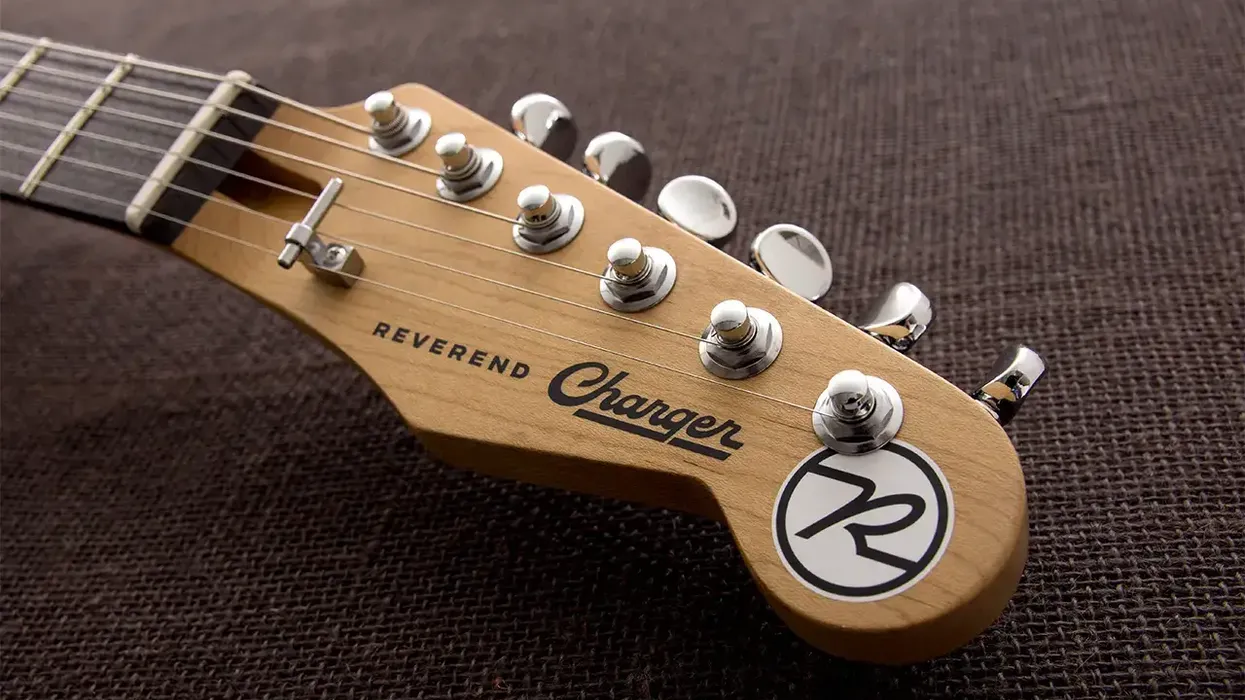
Reverend Guitars has upgraded the Charger Series for 2026. The seven models in the series feature a thinner, streamlined body with improved fret access, resulting in a lighter-weight guitar, enhanced comfort, and a tighter low end. A new string-thru-body design, with a flat-mount bridge and stainless steel saddles, is combined with a solid aluminum string block on the back of the guitar to enhance sustain and clarity.
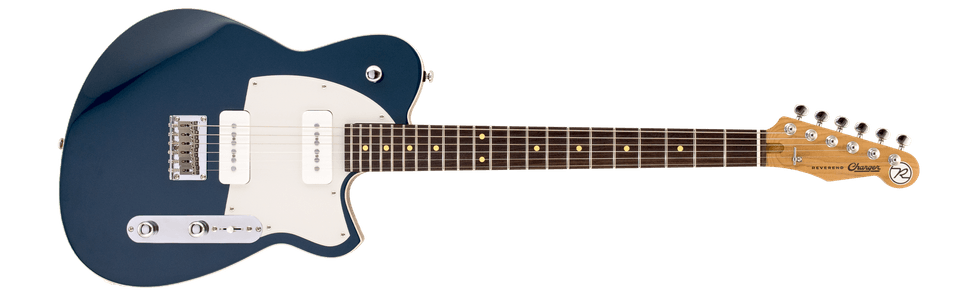
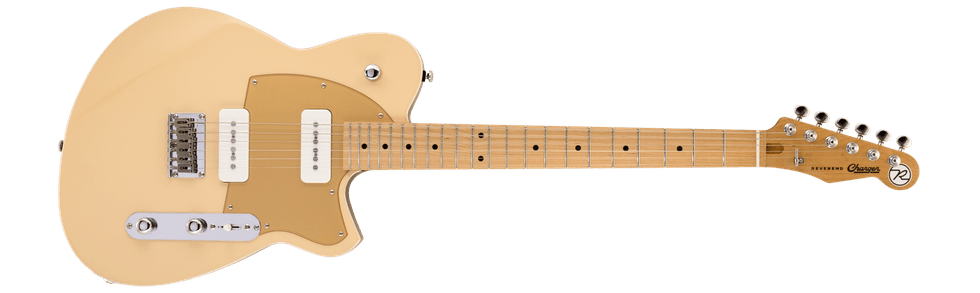
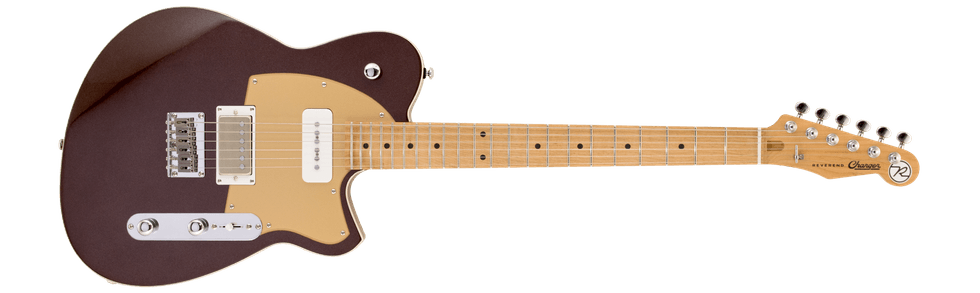
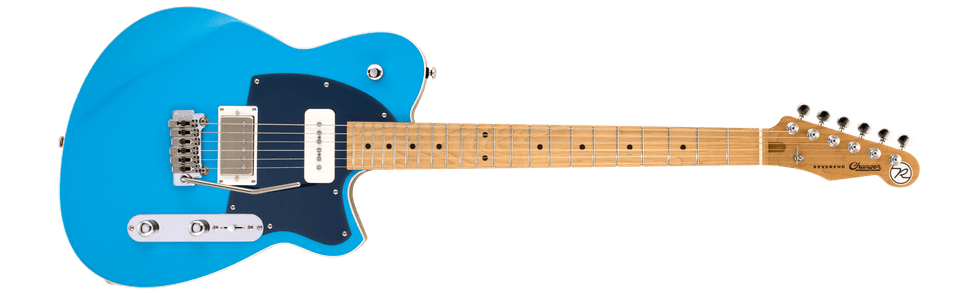
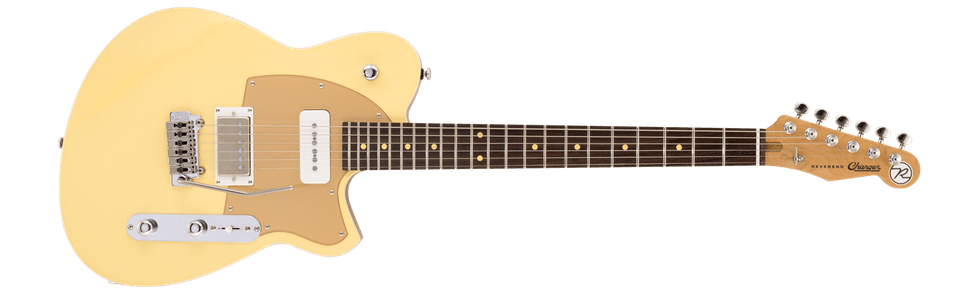
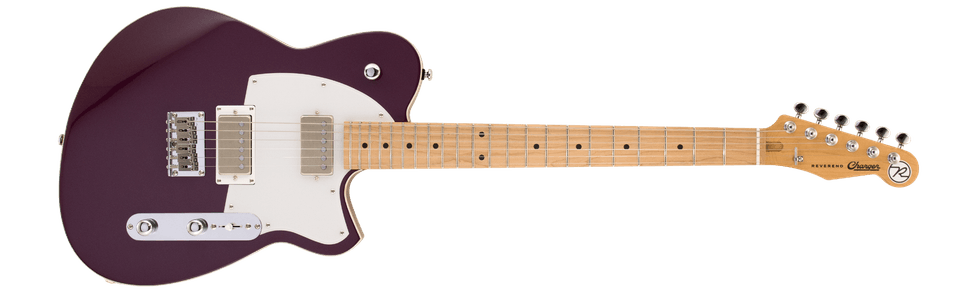
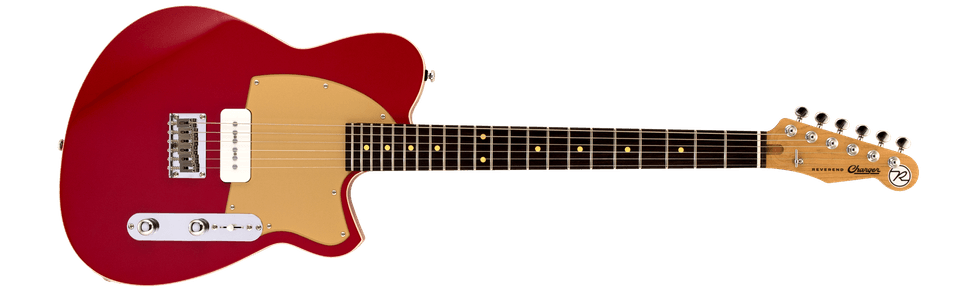
The Charger HH, H90, 290, and Jr. 90 all feature Reverend’s new Steelhead pickups, which feature oversized steel pole pieces for a highly responsive and punchy tone. The H90 is also available with a Wilkinson WVS50IIK, celebrated for its tone, durability, and tuning stability. The Charger Cleancut is equipped with Railhammer Cleancut pickups, delivering tighter lows, fatter highs, and a balanced tone.
Bold new top colors and backsprayed pickguards create a striking look, while the transparent brown backs add a touch of high-end class. A new Charger headstock logo completes the concept. The Charger Series guitars are modern guitars with classic sensibility, offering the high performance and timeless style you expect from Reverend Guitars.
The Reverend Charger Series is currently shipping to Reverend Authorized Dealers.
Yamaha partners with Chris Buck on new signature Revstar – and launches new single-cut Pacifica models

Yamaha has launched two new Pacifica variations – the SC Professional and SC Standard Plus – as well as a brand new Revstar signature model made with Chris Buck.
These new Pacifica models are single-cut versions of its Professional and Standard Plus models released in January 2024. These guitars share many of the same features but the Professional variation has a higher price point, and varies with a 9.5 -12” Compound Radius fingerboard (12” on the SC Standard Plus), a custom tinted satin neck finish, and a hardshell case as opposed to a gig bag.
- READ MORE: NAMM 2026 Live: The latest guitar launches and news from the biggest music gear event on the planet
These new Pacifica models are fitted Reflectone pickups, developed in partnership with Rupert Neve Designs. They come in an S-H configuration, and are accompanied by a Focus Switch to offer a wide tonal range. Each guitar has a contoured, chambered body, engineered with Acoustic Design technology for enhanced resonance.
Both guitars come with either a rosewood or maple fingerboard, and have 22 medium jumbo frets, Gotoh locking tuners, and a range of colours. Depending on your model and choice of fingerboard material, colour availability may vary. In total there are eight colours: Ash Pink, Breeze Metallic Blue, Sunny Orange, Black Metallic, Shell White, Peppermint Green, Desert Burst, and Black.
 Image: Yamaha
Also joining its exciting NAMM launches is the Chris Buck Signature REVSTAR RS02CB guitar. The REVSTAR series has been inspired by café racer motorcycles, Japanese artisanship and cultural heritage since its debut in 2015. Its second generation later arrived in 2022.
The RS02CB was developed in close collaboration with Buck to faithfully reproduce the sound and feel of his custom REVSTAR. It features P90 style pickups tuned to his preferences, a wrap-around bridge, a chambered body and a carbon-reinforced neck.
“My custom shop REVSTAR has been the beating heart of every record I’ve made and every show I’ve played since I first laid hands on it in 2020,” he says. “It hasn’t left my side and has quite literally travelled the globe with me, from Cairo to California.
“The phrase ‘labour of love’ gets thrown around a little too often these days, but collaborating so closely with Yamaha to recreate my guitar over the past few years has been exactly that. I am beyond thrilled to finally see it come to life. As much as it may be based on my guitar, this one’s yours.”
The Professional SC model comes in at £2,247.18, while the Standard Plus SC is priced at £991.90. The Chris Buck Signature REVSTAR is priced at £1,253.20. You can view all of these new launches over at Yamaha.
The post Yamaha partners with Chris Buck on new signature Revstar – and launches new single-cut Pacifica models appeared first on Guitar.com | All Things Guitar.
14 new guitars in ESP’s LTD Deluxe 1000 Series are the “best in its history” – here’s everything you need to know

ESP has launched 14 new models for its LTD Deluxe 1000 Series for professional players.
The 14 new arrivals include new colours, as well as completely new designs and shapes making their series debut. Matt Masciandaro, president and CEO of ESP, says these LTD Deluxe Series guitars for 2026 are among its “best in history”, and we’ve rounded up the key highlights.
- READ MORE: NAMM 2026 Live: The latest guitar launches and news from the biggest music gear event on the planet
The swathe of new launches sees the LTD Deluxe Arrow-1000 being made available in a brilliant Pearl White finish. This V-shaped guitar offers neck-thru-body construction, extra-jumbo stainless steel frets, and a set of direct-mount Fishman Fluence Modern 3-Voice Humbucker active pickups.
Three new EC-1000 models are also joining the LTD Deluxe Series, these are the EC-1000 Candy Apple Red Satin, a single-cutaway guitar fitted with a set of ESP-exclusive Seymour Duncan new MortalCoil 3-Voice Active Humbucker pickups, the EC-1000 Granite Sparkle, and the EC-1000 Pearl White.
 EC-1000 in Pearl White. Image credit: ESP Guitars
With a shape making its long-awaited addition to the LTD lineup, the LTD Deluxe MV-1000 Pearl White is based on the ESP Maverick, with smooth curves and a slightly asymmetrical shape that truly stands out from the crowd of typical guitars.
 MV-1000 in Pearl White. Image credit: ESP Guitars
Another new model for 2026, the LTD Deluxe NV-1000 marks the return of the ESP NV shape to the LTD brand with neck-thru-body construction, extra-jumbo stainless steel frets, a Floyd Rose 1000SE double-locking tremolo, and a set of EMG 81 (bridge) and EMG 60 (neck) active pickups.
 NV-1000 model. Image credit: ESP Guitars
The LTD Deluxe TH-1000 Snow White takes a familiar look and dresses it up a little more with contemporary design features such as a swamp ash body, roasted maple neck, extra-jumbo stainless steel frets, a black bone nut, a Hipshot hardtail bridge with string-thru-body, and a set of Seymour Duncan MortalCoil pickups.
Also offering the same shape is the LTD Deluxe TH-1000 EverTune FM See Thru Black Sunburst, with an EverTune constant tension bridge, along with a flamed maple top, a roasted maple neck, a black bone nut, and a set of Seymour Duncan MortalCoils
The LTD Deluxe Viper-1001 EverTune Charcoal Metallic Satin also features the EverTune constant tension bridge, along with set-thru construction at 24.75” scale, extra-jumbo stainless steel frets, and an EMG 81 active humbucking pickup.
In our final list of highlights, the LTD Deluxe XJ-2HT Snow White jazzes up the offset XJ body shape with key features including a swamp ash body, roasted maple neck, extra-jumbo stainless steel frets, a black bone nut, a Hipshot hardtail bridge with string-thru-body, and a set of Fishman Fluence Modern 3-Voice Humbucker pickups.
 XJ-2HT in Snow White. Image credit: ESP Guitars
One of the highlights of the new additions visually is the RS-1000, which sports ESP’s Random Star shape for some serious star power, alongside a neck-thru-body construction, Floyd Rose 1000SE tremolo, and an EMG 81 and 85 active pickup set.
 Credit: ESP LTD
You can visit ESP Guitars at NAMM Booth 210D, or head over to the ESP website for more information on all of its new arrivals.
The post 14 new guitars in ESP’s LTD Deluxe 1000 Series are the “best in its history” – here’s everything you need to know appeared first on Guitar.com | All Things Guitar.
ESP expands its Signature Series for NAMM 2026 with kitted-out models for Mick Thomson, George Lynch, Stephen Carpenter and more

ESP has expanded its Signature Series with eight new instruments for Joe Duplantier, George Lynch, Mick Thomson and more, and even two new guitars celebrating late Children of Bodom guitarist Alexi Laiho.
There’s also new guitars for Slaughter to Prevail guitarist Jack Simmons, late Slayer legend Jeff Hanneman, and a new finish for Stephen Carpenter’s LTD SC-607 Baritone.
“ESP’s Signature Series offers something for everyone,” says Tony Rauser, ESP Director of Artist Relations.
“The artists who play these guitars are among the world’s most respected guitarists, and their Signature guitars allow people the opportunity to use the same instruments they’ve seen played in front of thousands of people on stage and heard on some of the most acclaimed albums of all time.”
Alexi Laiho (Children of Bodom)


The two new Alexi Laiho models commemorating the Finnish melodic death metal pioneer are an Arrowhead SE 20th Anniversary, black with yellow bevels, and a Sawtooth SE 20th Anniversary model, black with white pinstripes. Both feature the offset V shape Laiho was somewhat synonymous with, as well as a neck-thru construction, 25.5” scale, Macassar ebony fingerboard, Grover tuners, single EMG HZ F-H2 passive pickup and Floyd Rose 1000 bridge.
Joe Duplantier (Gojira)
 Credit: ESP
Elsewhere, Gojira frontman Joe Duplantier gets the JD-1, which sports a modified take on the offset XJ shape, with a bolt-on construction, 25.5” scale, three-piece roasted maple neck, Macassar ebony fingerboard, pearloid block inlays, 22 extra jumbo stainless steel frets, and Joe’s signature DiMarzio JD Fortitude passive humbucker.
George Lynch (Dokken, Lynch Mob)
 Credit: ESP
The LTD GL-200 Kami arrives as a “streamlined” version of George Lynch’s 1985 Kamikaze guitar, with a solid black finish, hockey stick reverse headstock, basswood body, Floyd Rose Special double-locking tremolo bridge, and a set of ESP LH-150B and LS-120 pickups.
Jack Simmons (Slaughter to Prevail)
 Credit: ESP
New to the ESP Signature artist family in time for NAMM 2026 is Jack Simmons, guitarist for deathcore titans Slaughter to Prevail. He gets the LTD JS-7 Baritone, which features a V-shaped body with a neck-thru construction, 27” scale, 24 frets, 48mm Graph Tech TUSQ XL nut, Hipshot 7 hardtail bridge and Fishman Open Core Modern 3-Voice humbucker active pickup.
Jeff Hanneman (Slayer)
 Credit: ESP
Paying tribute to late Slayer guitarist Jeff Hanneman comes the LTD JH-200 CTM. Priced for “accessibility” for the legions of Slayer fans around the world, the guitar sports a bolt-construction, uninhibited access to the upper frets for ripping solos, an alder body, red star inlays, a Floyd RoseSpecial double-locking trem and a set of high-output ESP LH-301 humbuckers.
Mick Thomson (Slipknot)
 Credit: ESP
Mick Thomson’s LTD MT-1 Signature Series model gets a new Black Satin finish. As a reminder, the guitar features a set-thru construction, 25.5” scale, mahogany body with a white ash top, 24 frets, Graph Tech Black TUSQ XL nut, Hipshot Grip-Lock open gear tuners, Hipshot Hi-Mass hardtail bridge, blue Luminlay side dots and a Fishman Fluence Mick Thomson signature pickup.
Stephen Carpenter (Deftones)
 Credit: ESP
And finally, the LTD SC-607 Baritone – the Signature Series model for Deftones guitarist Stephen Carpenter – gets a new Magenta finish with gold hardware, based on one of Stef’s beloved personal ESP Custom Shop guitars. Features include seven strings, neck-thru-body construction, 27” scale, TonePros locking TOM-style bridge, and a set of Carpenter’s Fishman Fluence SRC Signature 3-Voice pickups.
Learn more about the new additions to the Signature Series at ESP.
The post ESP expands its Signature Series for NAMM 2026 with kitted-out models for Mick Thomson, George Lynch, Stephen Carpenter and more appeared first on Guitar.com | All Things Guitar.
Seymour Duncan MortalCoils: active humbuckers with three “precision-engineered” voices

Seymour Duncan has launched its new MortalCoil active humbuckers, which offer three voices catering to a wide array of tonal desires.
The launch marks its first multiple-voiced pickup, and each voicing has been “precision-engineered” to allow a single guitar to move all the way from shiny cleans to aggressive high-gain tones. They’re available now in 6- and 7-string configurations, and can be installed as a simple drop-in upgrade for many existing active setups. All pots and wiring are included.
- READ MORE: NAMM 2026 Live: The latest guitar launches and news from the biggest music gear event on the planet
Diving into each voice, we begin with MortalCoil’s MC1 (Voice 1), for a modern metal sound. This voice delivers “uncompromising tightness, note separation, and cutting presence” for metal players, and Seymour Duncan claims it does so without fizz or nasal midrange, even under extreme gain.
 Credit: Seymour Duncan
The second voice brings classic JB Bridge and Jazz Neck tones, while Voice 3 offers a single-coil voice with plenty of output and definition for all your clean needs. Precision-wound, high-density copper coils with optimised resistance are at the core of these pickups, and an all-new advanced, audio-optimised preamp brings clarity and definition.
Find out more and hear them in action below:
In other Seymour Duncan news, Slash has teamed up with the brand for another collaboration. The Slash 3.0 Pickup Set – his most “aggressive” signature set to date – was created especially for his appearance at Black Sabbath’s historic Back To The Beginning gig last July. Slash has used Seymour Duncan pickups for over four decades, but for the special occasion he wanted some extra oomph for his Gibson SG.
You can get the MortalCoil humbuckers as a set for $279, or as a single pickup for $169. Find out more by visiting Seymour Duncan.
 Image: Seymour Duncan
The post Seymour Duncan MortalCoils: active humbuckers with three “precision-engineered” voices appeared first on Guitar.com | All Things Guitar.
NAMM 26: New Models For The BOSS Effects Pedals Plug-In
Billy Corgan’s $100k live rig is now a pedal – Meet the Laney Supergrace

Laney has unveiled the Supergrace Loudpedal, a floor-based dual-amplifier platform that puts Billy Corgan’s live rig within reach of any guitarist.
Developed in close collaboration with the Smashing Pumpkins frontman himself, Supergrace captures the core of Corgan’s touring sound – without the towering backline or $100k price tag.
At its heart are two of Corgan’s essential amplifier voices: the high-gain Carstens Grace, and the iconic Laney Supergroup, now distilled into a single, compact 60-Watt floor unit.
- READ MORE: NAMM 2026 Live: The latest guitar launches and news from the biggest music gear event on the planet
Translating those two professional-grade amplifiers into a compact floor-based format was no small task, says the brand. Working alongside Laney and amp designer Brian Carstens, the goal was to preserve the feel and character of each amp rather than simply approximate their tones.
“We wanted something that would be used night after night on the world’s biggest stages-not as a compromise, but as the real thing,” says Carstens. The result is the Supergrace: a dual-amplifier platform designed for players seeking both heritage and innovation.
On one side sits the Grace channel, born from Corgan’s demand for extreme gain and massive headroom. Adapted from the original Carstens Grace amp, this channel delivers articulate high gain with exceptional note definition, even at saturation levels where most amps collapse.
“It’s really solid,” says Corgan. “There’s so much body to the notes.”
 Credit: Laney
Alongside it sits the Supergroup channel, a faithful recreation of the legendary Laney amp from the late 60s that shaped early heavy metal. Even the circuit’s distinctive “transformer rub” sub-note, a detail prized by vintage Laney fans and heard on countless Laney recordings, has been preserved.
Beyond the amp tones, the Supergrace is built as a complete modern rig. It features a true analogue signal path with no digital amp modelling, paired with Laney’s proprietary LA·IR Advanced Speaker Emulation. The pedal comes preloaded with Corgan’s own touring Impulse Responses, which can be swapped via the company’s LA·IR app.
USB-C connectivity enables latency-free recording straight into a DAW, while MIDI control, a transformer-isolated FX loop, auxiliary input, and headphone output make it equally suited to studio, stage, or silent practice.
Crucially, the unit has already been tested in the real world by the man himself. Corgan took a Supergrace prototype onstage at a My Chemical Romance show in Chicago, performing in front of 60,000 people without his usual $100k+ touring rig – and the pedal passed the test with flying colours.
Priced at $629.99/£449/€529, each unit is handcrafted at Laney’s Black Country Customs workshop in Birmingham, England, and ships in a premium presentation box, complete with power supply and USB cables.
Learn more at Laney.
The post Billy Corgan’s $100k live rig is now a pedal – Meet the Laney Supergrace appeared first on Guitar.com | All Things Guitar.
Eastman Fullertone Offset ’62 review – “it has a unique sonic voice and retro feel all of its own”

£899/$999, eastmanguitars.com
Eastman’s quest to create something interesting, impressive and different in the affordable bolt-on guitar space with the Fullertone range has been one of the stories of the guitar world over the last 12 months, and for 2026 chief luthier Otto D’Ambrosio is opening his tent to expand the Fullertone concept to new audiences with the new Offset ’62.
- READ MORE: With the FullerTone, Eastman Guitars stands at the new frontier of quality affordable electrics
 Image: Adam Gasson
Eastman Fullertone Offset ’62 – what is it?
The Offset ’62 is a Chinese-made and more affordable interpretation of the Offset ’62 from the Europe-made D’Ambrosio series, which launched at last year’s Guitar Summit. Over the past several months, Eastman has been working with YouTuber Paul Davids to refine the Offset ’62 concept to make it more suited to the average player’s needs. This entailed moving the toggle switch to the upper bout, changing the forearm contour for added comfort, and moving the volume knob closer to the bridge pickup for ease of access.
The result is the guitar you see before you in both its Dakota Red and Gold launch finishes. The body is a lightweight roasted black limba, with a similarly roasted maple neck with rosewood board. In terms of electronics you get a pair of Gold Foil-covered ToneRider soapbar humbuckers plus premium Orange Drop, 022μF capacitors and CTS 250K pots.
The hardware is similarly premium – you get nice looking and feeling six-in-a-line vintage style tuners, an anodized aluminium pickguard, and in a new one for the Fullertone range, a Jazzmaster-style-but-not Göldo DG Tremolo.
The neck is attached to the body using the innovative single-bolt system developed by D’Ambrosio that gives the range its name, and you also get a padded gigbag for the money – which is a little more than the first Fullertones, it must be noted.
 Image: Adam Gasson
Eastman Fullertone Offset ’62 – build quality and playability
Removing the Offset ’62 from its padded gigbag. I’m immediately impressed with the refreshingly original yet knowingly vintage vibe of the instrument.
The roasted maple neck is quite chunky in the palm but it’s smooth satin finish, medium Jescar FW47104-P frets and Fender-esque 25.5” scale length, combined with the 12” radius rosewood fingerboard, contribute to a familiar and instantly comfortable playing feel.
Immediately impressive is the lightweight, sleek and svelte feel in the hands. Despite being a sizable mass, roughly as wide as my Les Paul, it’s original offset design conforms to the Eastman Family in terms of looks and slick contoured body feels even better in person – clearly the real world testing done by Davids has really helped to make this guitar simply melt into your body as you sit and play it.
On a strap, the Offset ’62 sits in a wonderfully balanced position with everything intuitively positioned ready to rock, not true of every offset design, the Eastman is ready to jangle or shoegaze the night away!
 Image: Adam Gasson
Eastman Fullertone Offset ’62 – sounds
Unplugged, the Offset ’62 has a Tele-style snap to its attack and plenty of midrange clout to its decay, albeit softened slightly I suspect by the rather intriguing looking Göldo trem. As far as I’m aware, this is the first production guitar – certainly at this price point – to spec this as standard, and it’s an interesting concept.
It may at first look like the lost lovechild of a Jazzmaster Trem and a Burns Accent vibrato unit from the 1960s, but in fact it feels and functions more like a great Bigsby with more immediate response than the classic Fender vibrato used on the Jazzmaster and Jaguar.
I really like both its quirky almost 60s pawn shop aesthetic but also its very musical and smooth operation for everything from gentle chord wobbles to shoegaze sonic vibrato waves, all accomplished with an impressive lack of retuning required. This no doubt helped by the cleverly designed straight string pull over the genuine bone nut to the sleek stepped headstock design.
With a three-way toggle switch placed on the upper bout and a master volume, two tone control setup all neatly mounted on the very cool aluminium early Jazzmaster-hinting pickguard, everything feels nicely laid out under the hands too.
Before plugging in I wasn’t quite sure what to make of the pickups, whilst they may look like Gold Foils, that is obviously a very specific thing construction-wise. Wisely then for , Eastman describe them as ‘Soapbar Humbuckers with Goldfoil covers’ and whilst this may be a smorgasbord of tonal a nomenclature, plugging in to my black panel amp soon revealed a jangly bright toned bridge pickup with plenty of midrange bite and an impressive lack of hum.
Kudos again to Eastman for creating something original again with these pickups, they have the musical airy top end of a good old gold foil with lots of the gutsy midrange of an old P-90. It’s a wonderful combination, and switching to the neck position reminds me of lots of the best bits of a good Firebird neck pickup. A very distinct, immediate tone that’s void of any flub and instead punches though a mix like a much fatter Strat neck pickup.
The middle position is the guitar’s crowning glory however, a beautiful jangle tone into a clean amp that had us switching to our Vox amp for some superb sixties jangle pop tones that bring us into Ricky and Gretsch land. Jumping on a fuzz pedal revealed these pickups handle gain rather well too – with a clear versatile sonic voice of its own that holds together well in all positions. Superb.
 Image: Adam Gasson
Eastman Fullertone Offset ’62 – should I buy one?
We truly are living in a golden age of affordable gear. For a guitar as accomplished and great feeling as this Eastman Offset ’62 to be available at this price is a real win for players.
Not only does this guitar stand out from the usual crowd visually, it has a unique sonic voice and retro feel all of its own and could happily accompany you on a career of live playing and recording.
If I’m being picky, I’d like to see the range expanded with more colour options and pickup alternatives, to appeal to more players, but if you want to stand out from the crowd, you really should check one of these out. There’s a huge amount to love about the Offset ’62 – especially at this killer price.
 Image: Adam Gasson
Eastman Fullertone Offset ’62 – alternatives
The historic king of the offset, even at this price range is a Jazzmaster and the Fender Player II Jazzmaster takes a lot of beating value wise as does the superb Fender Vintera II Roadworn 50’s Jazzmaster for a little extra cash. It’s nearly triple the price, but the fantastic Duesenberg Bros Landreth Joey’s Guitar features gold foil humbucking pickups, a wide range of tonal modes, and an offset body.
The post Eastman Fullertone Offset ’62 review – “it has a unique sonic voice and retro feel all of its own” appeared first on Guitar.com | All Things Guitar.
ID:X Floor – Blackstar’s first “high-performance” digital floor modellers deliver the tone and feel of real amps with hands-on controls

UK-based amp maker Blackstar has entered the floor-modeller space with the launch of ID:X Floor, its first range of high-performance digital floor processors for electric, bass and acoustic guitars.
Built as a floor-based evolution of the brand’s popular ID:X combo amps, the ID:X Floor series aims to deliver “the tone and feel of a real amp” without the distraction of endless menu-diving. Combining decades of amp-building experience with component-level digital modelling and powerful DSP, Blackstar says the result is a more responsive, valve-like playing experience with intuitive, hands-on control.
- READ MORE: NAMM 2026 Live: The latest guitar launches and news from the biggest music gear event on the planet
At the core of ID:X Floor is advanced component-level modelling, designed to capture not just the sound of an amp, but the way it reacts under the fingers.
The system features 12 authentic component-level electric guitar amp models – split between six Blackstar designs and six Ampton recreations of classic amps – alongside three bass amps, two acoustic voices, and an acoustic simulator.
Players can also select different virtual power valve responses (EL84, EL34, or 6L6) and shape everything using Blackstar’s familiar ISF control.
Cab simulation is handled by Blackstar’s IR-driven CabRig system, which aims to feel more dynamic than traditional static impulse responses. The company’s ‘In The Room’ CabRig technology is designed to recreate the sensation of standing in front of a real valve amp, whether you’re running direct to front of house, through an FRFR system, or integrating ID:X Floor into a pedalboard. Full MIDI control is also on hand for deeper integration with more complex setups.
Finally, a full suite of I/O, including USB-C for audio interface use, balanced XLR outputs and headphone output, let ID:X Floor integrate seamlessly with FRFR cabs, traditional amps, or DAWs.
Players can choose between three models: The ID:X Floor One ($239.99) keeps things compact and pedalboard-friendly; the Floor Two ($279.99) adds a built-in expression pedal for volume, wah, and effects parameters; while Floor Three ($349.99) is the “ultimate floor solution” with extended patch/effects switching, added MIDI Thru and an effects loop for maximum versatility.
 Credit: Blackstar
Alongside the modeller launch, Blackstar has also announced Artist FR, a new line of powered full-range, flat-response (FRFR) cabinets designed to give digital modeller users the dynamics and feel of an actual guitar amp.
“Most FRFR cabinets feel like PAs pretending to be guitar amps,” says Blackstar. “With Artist FR, we’ve created cabinets that look right, feel right, and respond like a real amp – compact, affordable, and ready for any gig.”
The cabinets combine custom flat-response speakers with whizzer cones, active three-band EQ and Presence controls, and include a built-in kickstand for easy floor monitoring.
Two models are available: the $369.99 Artist FR Standard (50 Watts, 1×12) for home use and smaller gigs, and the $449.99 Artist FR Special (100 Watts, 1×12) for louder stages and rehearsals.
Learn more at Blackstar Amps.
The post ID:X Floor – Blackstar’s first “high-performance” digital floor modellers deliver the tone and feel of real amps with hands-on controls appeared first on Guitar.com | All Things Guitar.
Ernie Ball Music Man New at NAMM: 2026
the 50th anniversary Stingray bass
For five decades, the StingRay has set the benchmark for bold, forward-leaning bass tone. The Ernie Ball Music Man 50th Anniversary StingRay Special honors that legacy with two limited-edition finishes. Liquid Gold is hand-numbered and limited to 50 instruments worldwide, featuring a striking golden reflective pickguard for a truly exclusive presentation. Molten Gold, limited to 300 instruments, showcases a metallic gold finish on the body and headstock—each with its own unique character. Both versions are paired with an ebony fretboard with gold face dot inlays and glow-in-the-dark side markers for effortless navigation on any stage. A roasted flame maple neck and poplar body deliver a fast, comfortable, and perfectly balanced feel, while gold hardware throughout, including a 50th Anniversary-stamped bridge, completes the look. Finished with a commemorative 50th Anniversary silkscreen on the back of the headstock, each bass ships in a deluxe hardshell case with a certificate of authenticity.

The 50th Anniversary StingRay 4 Special in Molten Gold will be available at all Ernie Ball Music Man retailers, and the Liquid Gold colorway will be available exclusively in the Ernie Ball Music Man Vault this spring.
THE darkray II
The DarkRay II bass expands on the aggressive, modern foundation of the original DarkRay by adding fully integrated octave up and octave down effects for an even broader sonic palette. Featuring the same core specs players know and trust, the DarkRay II includes a master volume, bass and treble EQ, a distortion control with a push/push function to switch between two distinct distortion voices, and an octave control with a push/push function to select octave up or octave down. Both the distortion and octave knobs feature LED rings that illuminate when engaged and change color to indicate the selected mode, providing instant visual feedback. A three-way switch selects the core tone, octave only (middle position), or octave combined with distortion (neck position), making it easy to move from tight, punchy bass tones to massive, harmonically rich textures. Available in Black, Showtime, Spectralite, and Mean Green Burst, the DarkRay II delivers uncompromising tone, cutting-edge functionality, and unmistakable Ernie Ball Music Man style. The DarkRay II will be available this spring.

THE STINGRAY SPECIAL BASS
First introduced in 1976, the StingRay has been revered as one of the most iconic bass guitars in history. The flagship of the Music Man line, today’s StingRay Special retains the same signature features that it had some forty years ago, including a solid roadworthy construction, iconic oval pickguard, 3+1 tuning key configurations, and the ever-popular Music Man humbucker, all of which combine to produce a look, feel, and sound that is remarkably unmistakable. The StingRay Special will be available in 4 or 5-string in either H or HH pickup configurations. The new StingRay Special finishes will be available this spring.

The John petrucci signature majesty premium select
The John Petrucci Signature Majesty Premium Select delivers refined tone, precision, and versatility at the highest level—the culmination of years of touring and recording during which John Petrucci gravitated toward a mahogany neck-through body with alder wings and a thick maple top for added depth, sustain, and articulation. Features include a 24-fret ebony fingerboard with stainless steel frets, glow-in-the-dark side dots, DiMarzio Rainmaker and Dreamcatcher humbuckers, a piezo-equipped Music Man floating tremolo, stereo/mono outputs, and a 20+ dB onboard gain boost. Available in Carnelian Red, Ka’anapali Dream, Mystic Dream, Purple Nebula II, and Strawberry Moon. The Majesty Premium Select will be available this spring.

THE jason richardson artist series cutlass
Introducing the Jason Richardson Artist Series Cutlass HT 8-String, a bold evolution of the signature line and now available in three striking translucent finishes: Water Temple, Death Mountain, and Kokiri Forest. Designed for modern technical players, this multiscale powerhouse features a 25.5”–27” scale length—from the high E down to the low F#—providing exceptional clarity, tension, and articulation across the full extended range. An alder body with a buckeye burl top is paired with a roasted, figured maple neck and ebony fretboard, delivering a premium feel and outstanding stability. Outfitted with Jason Richardson HT humbuckers, the Cutlass HT 8-String offers crushing output, precise note definition, and dynamic tonal versatility. Additional pro-level features include 24 stainless steel frets, a hardtail bridge engineered for superior sustain and tuning stability, a push/ push volume knob for a 20+ dB boost, and coil-splitting via the push/push tone control. Engineered for players who demand peak performance and expressive range, this 8-String expands the sonic possibilities of the Jason Richardson platform like never before. The new Jason Richardson Artist Series Cutlass colorways will be available this spring.

The 30th anniversary axis
Introducing the 30th Anniversary Axis guitar. To mark 30 years of the Axis, we’re revisiting the translucent finishes that defined its 1996 debut—Translucent Gold, Black, Pink, Red, Blue, and Purple—applied to hand-stained quilt maple tops and paired with black, lightly sparkled backs that subtly echo each color. Each guitar features a figured maple neck with stainless steel frets, glow-in-the-dark side dots, the original asymmetrical neck carve, and the sought-after DiMarzio® custom-wound pickups that helped define the Axis feel and sound. Finished with a color-matched headstock face, a 30th Anniversary Axis logo on the back, and limited to 90 Gold, 60 Black, Pink, and Purple, and 30 Blue and Red instruments worldwide, every guitar ships with a certificate of authenticity and a deluxe Music Man® hardshell case. The 30th Anniversary Axis Guitar will be available this spring.

THE custom design experience
The Ernie Ball Music Man Custom Design Experience has expanded with 14 new finishes, offering even more ways for players to create their own custom StingRay bass. The Custom Design Experience is an online custom instrument configurator that allows customers to design and build their dream StingRay Special Bass guitar. Customers can choose from 4-string and 5-string models, right- and left-handed orientations, single- and double-humbucking pickups, finishes, necks, pickguards, hardware, tuning, case options, string gauges, and more. All Custom Design Experience instruments are built in the Ernie Ball Music Man San Luis Obispo, CA, facility and are shipped directly to the customer. The new Custom Design Experience finishes are available this spring.

Casio Introduces Dimension Shifter Guitar Strap Controller
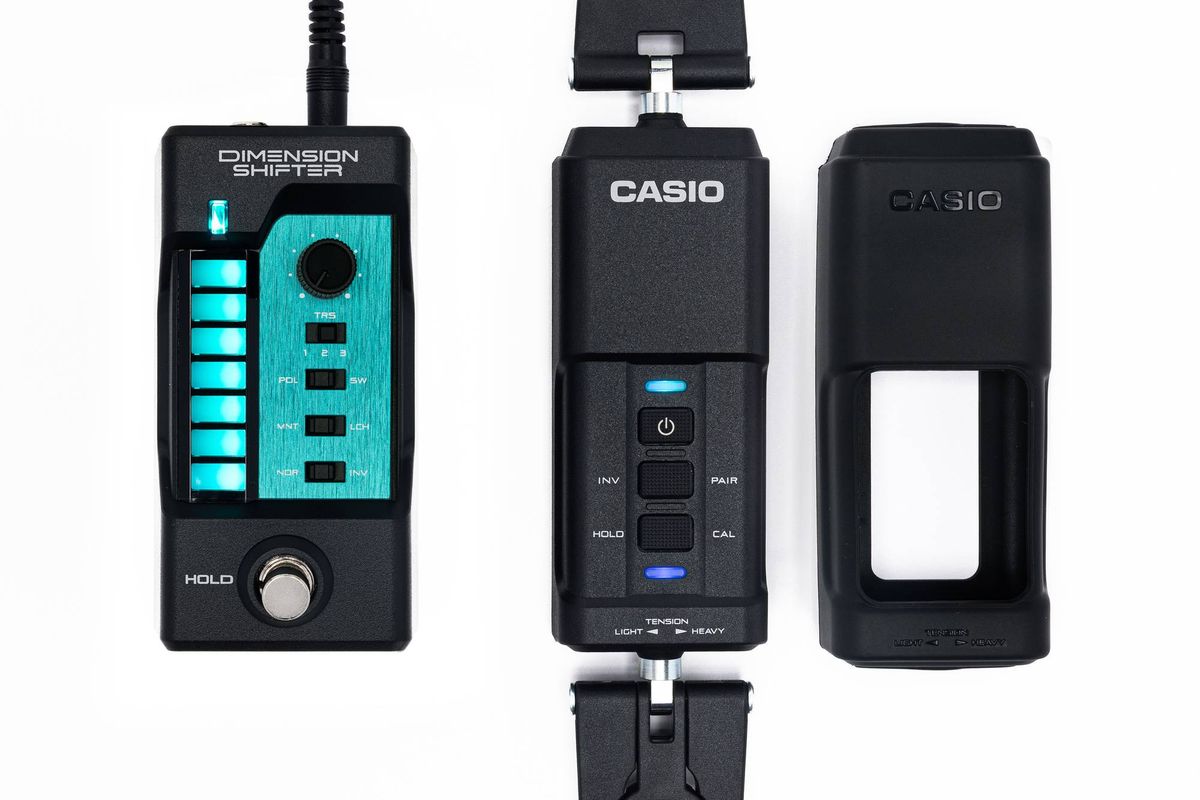
Casio has announced the debut of Dimension Shifter, a groundbreaking performance tool that enables guitarists to wirelessly control effects, pedals, and other gear through natural movements of their guitar strap.
First previewed in 2024 under the name Dimension Tripper, this innovative device seamlessly integrates into a standard guitar strap and, using a proprietary control system that harnesses strap tension and spring return force, translates a player’s movements into real-time control of effects parameters. Whether tilting the neck to swell a delay, raising the body for a filter sweep, or leaning back to unleash distortion, Dimension Shifter opens a new world of expressive, intuitive stage performance; no hands required. Because control data is transmitted wirelessly, players can operate the effects on their pedalboard from anywhere on stage, and when used alongside their existing expression pedal(s), they can control multiple parameters simultaneously for more complex sound design.
- YouTube
Dimension Shifter wirelessly connects to a pedalboard receiver, eliminating the need for extra cables and enhancing stage mobility. Musicians can assign specific effects parameters to strap movement, unlocking new interactive performance possibilities. Dimension Shifter is fully compatible with popular pedals, multi-effects units, and DAWs, providing players with maximum flexibility to integrate it into their setups.
The introduction of Dimension Shifter showcases Casio’s long-standing tradition of innovation in musical instruments that goes far beyond keyboards and digital pianos. Since the 1980s, the company has released groundbreaking products that have changed how musicians interact with technology. These include the DG and PG series guitars, which combine traditional guitar playability with advanced MIDI control, the DH Series Digital Horns, breath-controlled wind instruments with built-in synthesis, and the RZ-1 Drum Machine, one of the first affordable models to feature user sampling.
From the pocket-sized VL-Tone synthesizer, which uniquely combined a calculator with music creation, to hybrid MIDI guitars and digital wind instruments, Casio has consistently pushed the boundaries of musical expression. Dimension Shifter continues this innovative tradition, offering guitarists a new platform that transforms their performance and creativity.
“For more than 40 years, Casio has expanded the possibilities of musical creativity through technology,” said Brian Piccolo, Senior General Manager of Sales for Casio’s Electronic Musical Instruments Division. “With Dimension Shifter, we’re giving guitarists an entirely new way to interact with their music, merging the energy of live performance with the precise control of digital effects. It truly transforms how a guitarist commands the stage.”
Key Features of the Dimension Shifter
Motion-based control – Use natural guitar strap movements to control effects.
Wireless freedom – The lightweight transmitter attaches between the guitar and strap, and instantly pairs with a compact receiver pedal.
Broad compatibility – Compatible with various pedals, effects processors, and digital rigs.
Customizable mapping – Assign movements to control parameters like reverb depth, delay time, wah position, or volume.
Versatile modes – Use strap gestures to toggle effects on and off, switch channels, or change a preset.
Performance-ready design – Built for durability and seamless integration into any guitarist’s setup.
The Casio Dimension Shifter carries a street price of $389.99.
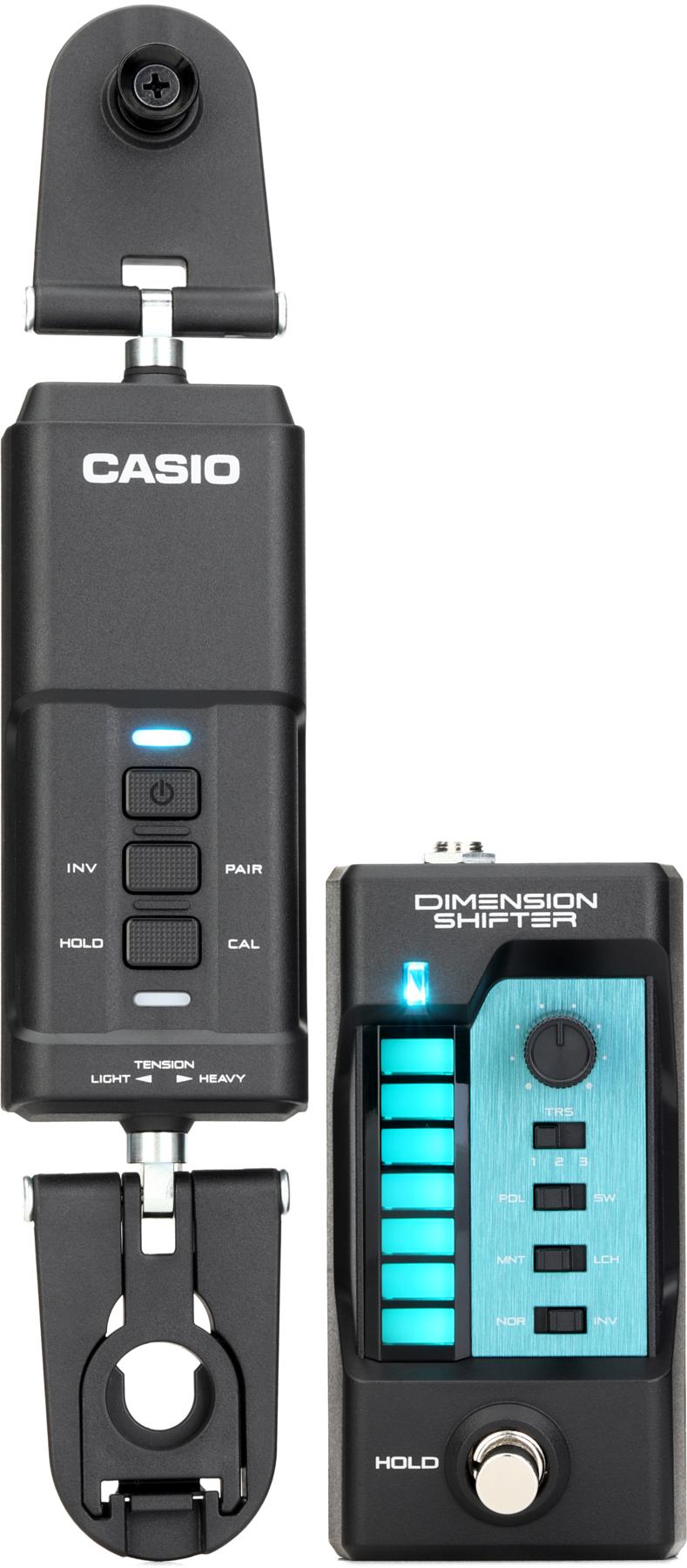
Casio Dimensions Shifter Wireless Expression Controller
Strandberg and Jamstik partner on a headless electric guitar with MIDI functionality

In one of the most innovative new offerings to be revealed at NAMM 2026, Strandberg has partnered with Jamstik for a new MIDI technology-infused headless electric guitar.
The Strandberg x Jamstik Chameleon MIDI Guitar is essentially a traditional analogue electric guitar (well, ‘traditional’ might be a stretch – it is Strandberg, after all) with MIDI functionality. The instrument aims to empower guitarists not only in playing, but in composing, producing, transcribing and other areas of modern digital music creation.
- READ MORE: NAMM 2026 Live: The latest guitar launches and news from the biggest music gear event on the planet
Via its onboard MIDI functionality, the Chameleon MIDI Guitar allows players to control software instruments, hardware synthesizers, as well as other digital production tools.
In terms of connectivity, the guitar features a USB-C input for direct computer and DAW integration, TRS-MIDI for controlling hardware synths without a computer, and even Bluetooth functionality for wireless configuration and real-time setting adjustments via mobile devices.
“By embedding our MIDI technology into Strandberg’s guitars, we’ve built an instrument that supports modern creative workflows while still feeling unmistakably like a world-class guitar,” said Jonathan Keller, Senior Engineer at Jamstik.
“Strandberg’s craftsmanship and ergonomics gave us the ideal foundation to make MIDI feel expressive, musical, and completely natural to play.”
 Credit: Strandberg
Aesthetics include a “chameleon-style” finish which subtly shifts between purple, green and graphite tones depending on the lighting.
“Strandberg guitars are designed to remove friction between the player and their ideas,” says Ola Strandberg, Founder and Creative Lead at Strandberg Guitars.
“This collaboration with Jamstik extends that philosophy into the digital domain, giving players new creative possibilities.”
Each guitar includes access to Jamstik Creator, Jamstik’s companion software for configuring MIDI behaviour, sensitivity, tuning options and performance settings.
The Strandberg x Jamstik Chameleon MIDI Guitar is priced at $2,199/£1,799, and is available now as a limited pre-order via Jamstik and Strandberg. The first batch is scheduled to ship early spring 2026.
If you’re heading to NAMM 2026, you can also visit Strandberg at Booth #5414 and Jamstik at Booth #9907.
The post Strandberg and Jamstik partner on a headless electric guitar with MIDI functionality appeared first on Guitar.com | All Things Guitar.
PRS Guitars Announces New Limited Silver Sky Colorway
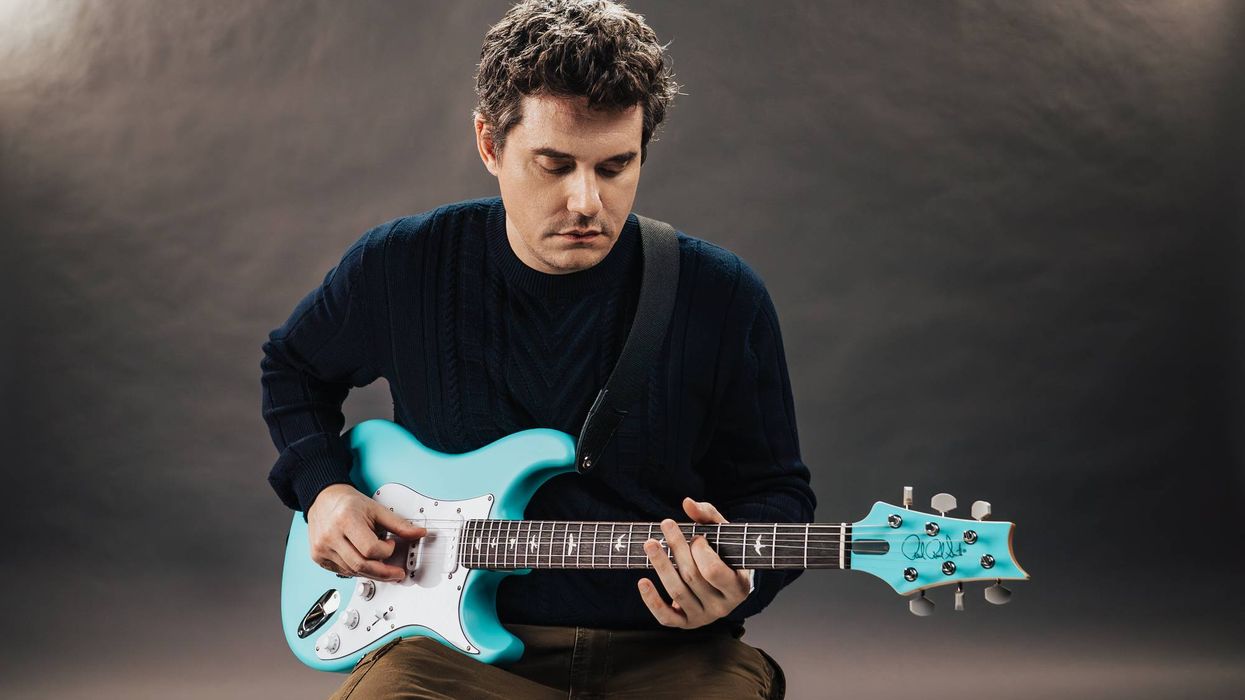
The first Silver Sky to have a matching painted headstock.
PRS Guitars today announced the Silver Sky Wild Blue Limited Edition. This is the first Silver Sky to have a matching painted headstock. Up to 1,000 pieces will be available worldwide in 2026. Wild Blue now joins the ranks of only two previous limited-edition Silver Sky colors: Nebula and Lunar Ice.
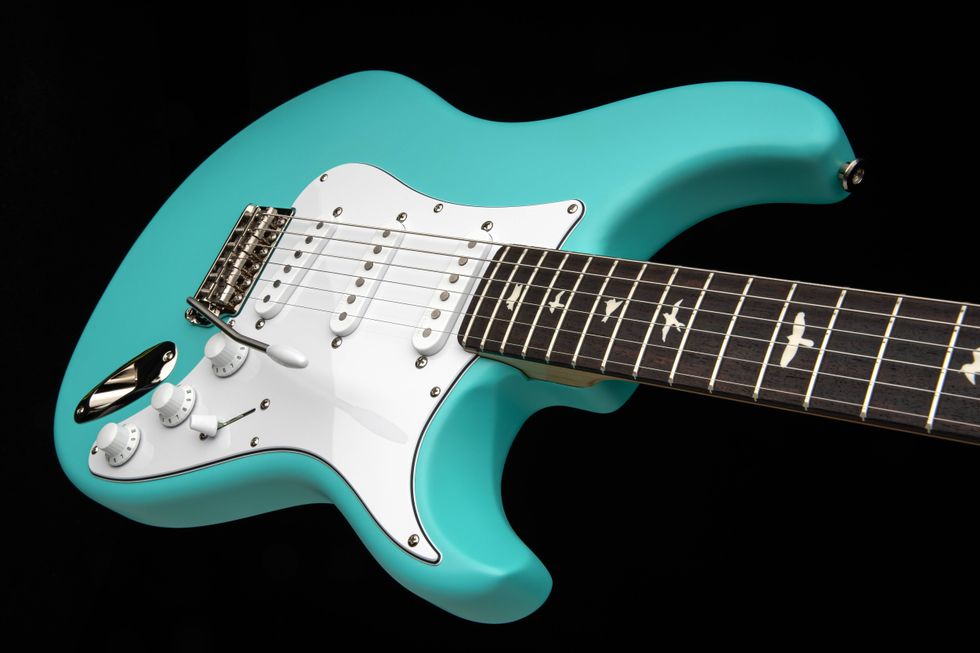
“As a watch collector, turquoise blue is a color that has always evoked excitement, so a limited edition Silver Sky in turquoise is the perfect crossover. I hope it brings a smile to both guitar players and watch enthusiasts alike,” said John Mayer.
Wild Blue was prototyped early on in the PRSxJohn Mayer relationship and has been waiting for its day in the sun since the original launch of the Silver Sky in 2018. Beyond the new color, this is the same tried and true Silver Sky familiar to players around the world. It retains Mayer’s signature 635JM pickups, an alder body, 25.5” scale length maple neck, 7.25” radius, and small bird inlays, though the Wild Blue limited will only come with a rosewood fretboard. The full rundown of specs is available on prsguitars.com.
For all of the latest news, click www.prsguitars.com and follow @prsguitars on Instagram, Tik Tok, Facebook, X, and YouTube.
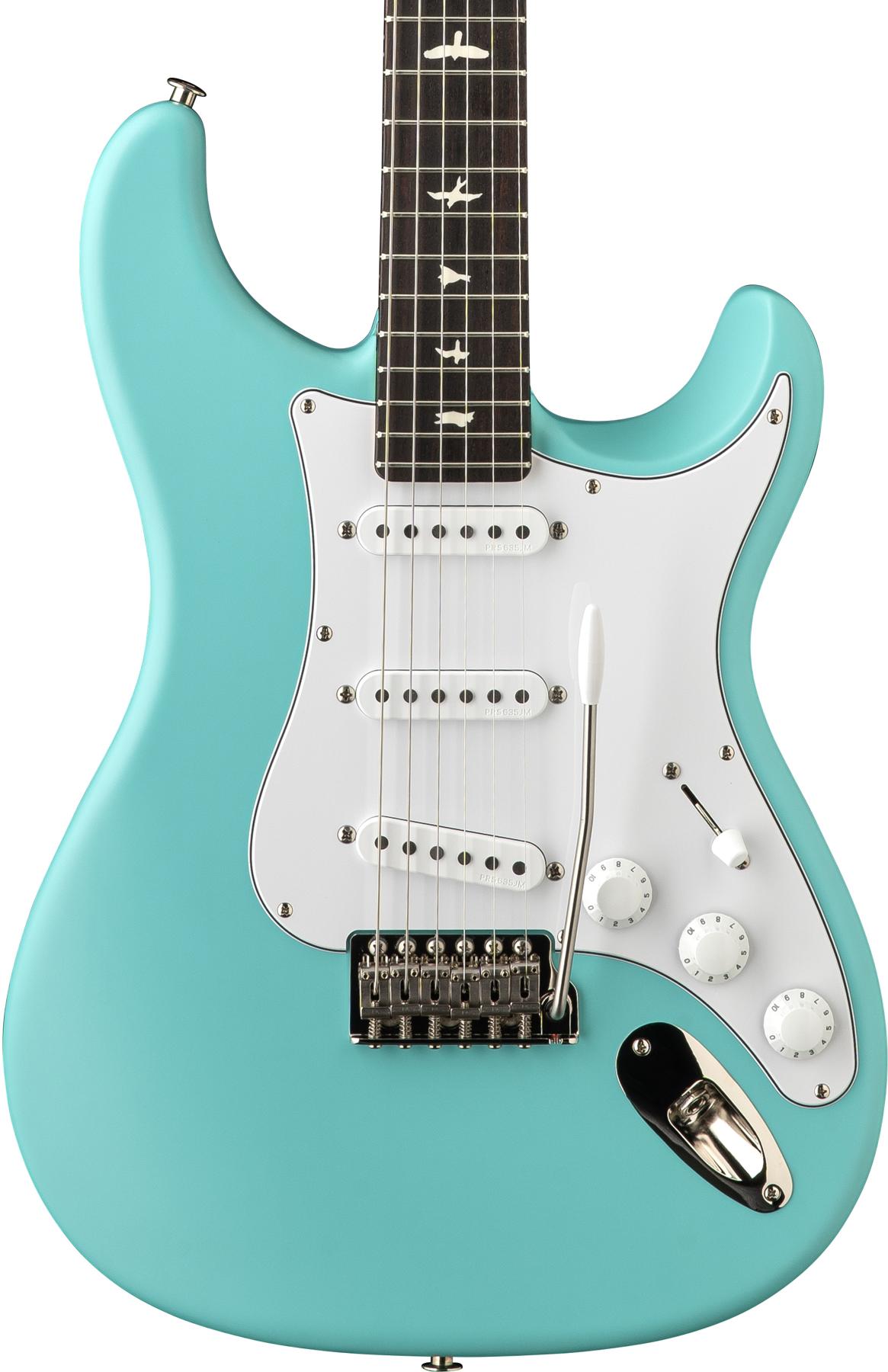
PRS Silver Sky Limited Edition Electric Guitar - Wild Blue
The Wood Wants to Speak: The mandolin-building team of Will and Wes Wienman
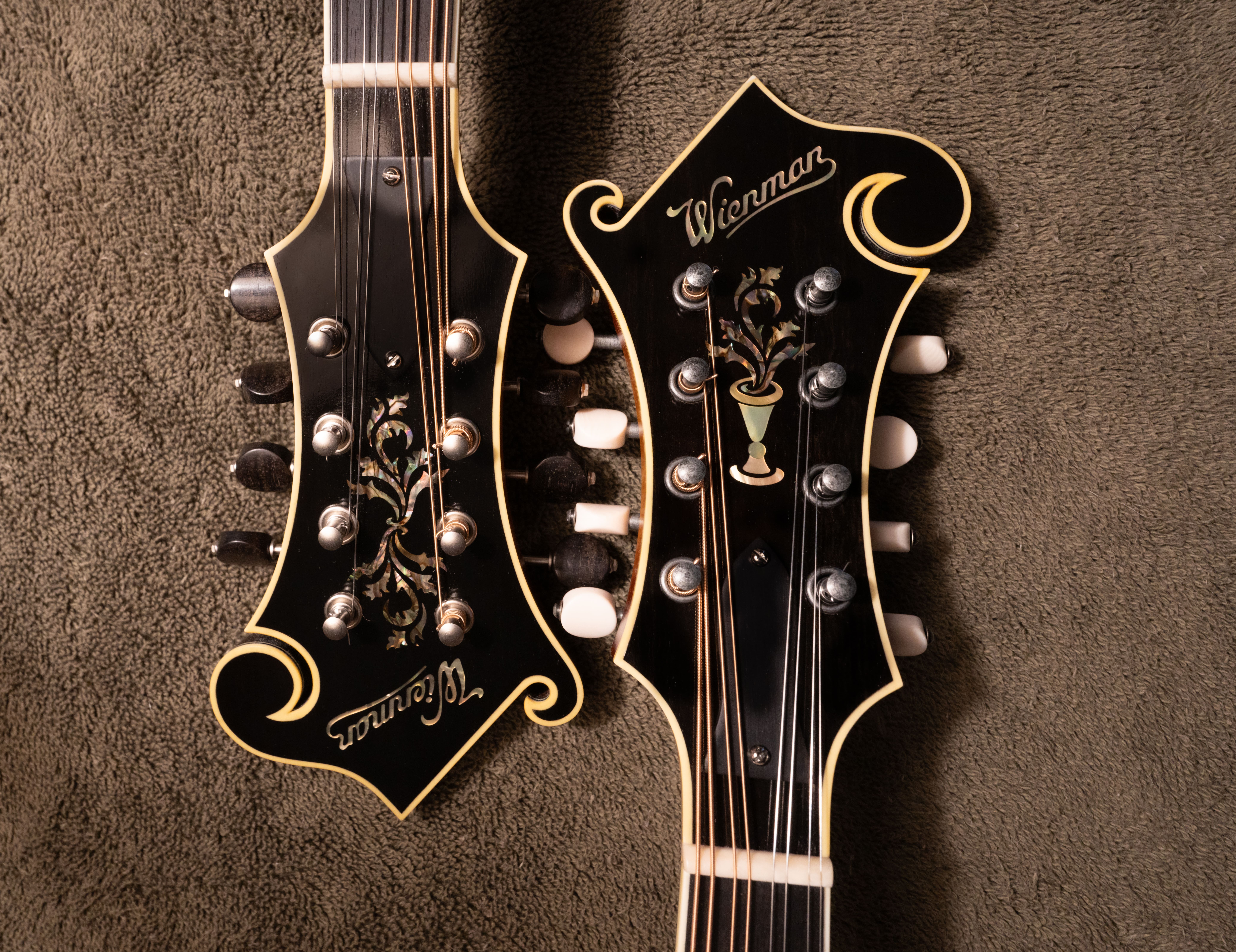
In Valley Hill, North Carolina, 20 miles outside of Asheville, Will and Wes Wienman have quietly but quickly carved out a niche as highly respected mandolin builders. Referring to their sound and process as “Vintage by Design,” the first mandolin to leave the confines of their home shop made it into the hands of Jarrod Walker, mandolinist for Billy Strings, and they’ve been off to the races ever since.
The Wienmans’ music history goes back to the 1970s, when Will Wienman’s fascination with violins got him started as a violin dealer and repairman after college. Annual trips to the largest violin auctions in the country introduced him to a wide variety of violins. At the same time, he was learning about and acquiring mandolins, mandocellos, pre-war guitars and all manner of history’s best offerings from Gibson and Martin, as well as then-new-on-the-scene builders like Gilchrist. In the early 1980s, when his son Wes was an infant, Will acquired a 1924 Gibson Loar F-5—an early version with the fern headstock inlay—that would make its way into George Gruhn and Walter Carter’s Acoustic Guitars and Other Fretted Instruments. Though he eventually sold the Loar, Will always maintained an interest in the voice and construction of mandolins.
The idea of building professional-level mandolins had been in the back of Will Wienman’s mind for decades, ever since building his first mandolin in the late 1970s. He knew he’d need help, because he doesn’t believe he has all the attributes he considers required to turn out the master-quality instruments he envisioned (almost infinite patience, steady hands, the ability to spend countless hours in the shop day in and day out). Regardless, he was bitten by the bug and continued studying and experimenting with instrument sound, primarily by re-graduating, voicing and fitting bass bars inside over 100 violins. He even built a mandolin that had an easily removable top so he could change one aspect of the instrument at a time and observe the results. He also started buying high-end spruce and maple in the early 2000s, knowing that one day he’d find the partner who could bring to life the sound and design Will envisioned. At the time, Wes was a teenager with little interest in building mandolins.
Fast-forward to 2014, and Will had relocated to western North Carolina, living on his own in a house with a workshop, lots of tools and lots of aged tonewoods. Wes was in his early 30s and living in Florida, but he was open to a change of scene. The two began exploring the idea of making mandolins, and soon Wes joined his dad in North Carolina.
Will and Wes have fairly different personalities yet complementary skills, which is apparent when they are interviewed together. It becomes clear that their partnership building mandolins is about more than familial convenience. Speaking to Wes, Will notes Wes was always “fascinated by sound.”
“Let’s be honest—you turn your own drum edges. You shape your own piano felts. You mod your own microphones.”
Wes began to think about his own skills and dispositions: “People have to do things for a living, but it turns out I was fired from every desk job I ever had.” He nonetheless realized that he has a deep capacity for focusing on one thing for long stretches of time—the kind of patience required for building carved instruments. “You can’t be in a hurry. You can’t get mad at inanimate objects.”
Will agrees. “His ears are really good. His hands are really steady. He’s really good with numbers, he can envision the geometry of 3-D shapes, and he’s really meticulous. And he’s absolutely relaxed about going slow and getting things right. And that’s what it takes to build a mandolin. If you’re going to build something really good, you just gotta be willing to stick with it.” Some of those things are likely natural gifts. And some are probably the product of osmosis from growing up in a household with a violin dealer and instrument repairman.
Regardless, with more than a hint of sarcasm, Wes responds, “So I figured, what better to do in my mid-30s than move up here and move in with my dad?”
Building Mandolins
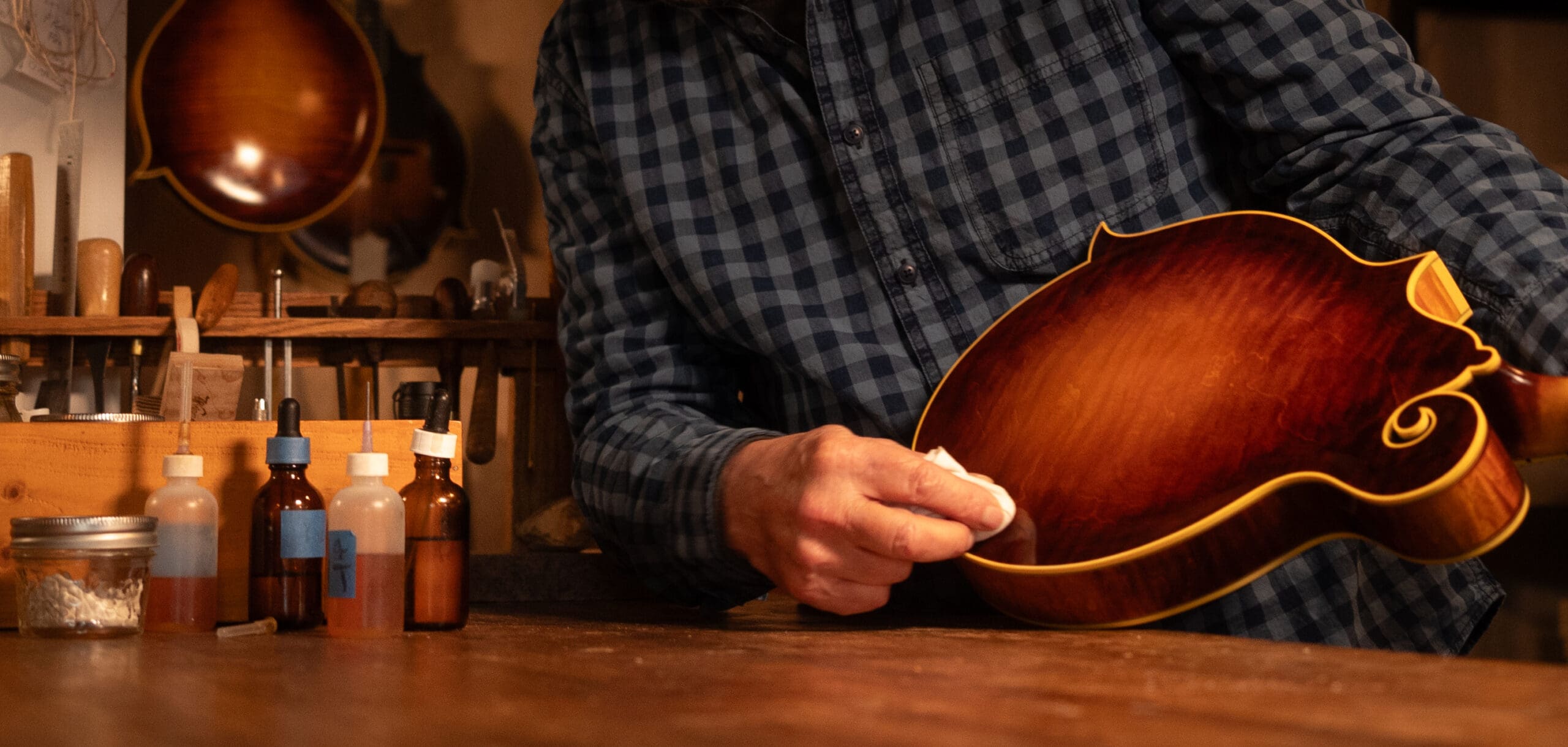
The Wienmans’ workshop is full of the usual tools (many hand-made to accomplish specific tasks), dehumidifiers, jigs and raw materials that high-end luthiers are expected to have. But there is also a sizeable collection of files and pictures and historical materials about artisan-made instruments. Plaster casts of early 20th-century Gibsons. Graduation maps and technical drawings of several Loar mandolins. Tracings of various holy grail instruments. Files full of notes about world-class mandolins from the Loar era to the present. A perfect lab for Wes and Will to begin the inductive process of designing and building modern instruments inspired by vintage tone. There’s a reason the Wienmans call their mandolins “Vintage by Design.”
While Wes honed his artisanal skills, Will was involved in the big picture: “I knew how the tops should be graduated, how to get the tone bars to fit, what kinds of wood to use, how to tune the wood to itself…and the finish.” Basically “how to know when the wood wants to speak.” Wes likens those first years that he was in the shop to an anecdote in Ravi Shankar’s book about playing sitar: “He was recounting how he learned, and the first thing they would make you do is learn to sit in a lotus position for like a year, before they even put a sitar in your hands.” The first two years or so were dedicated to planning and design and good old trial and error. After a while, “we thought that, once we spent this much time doing it, we might as well spend even more time doing it, just to see it through. I knew it could be done. I knew we could do it. I just knew it.”
Spending time with the Wienmans, it is evident that this is much more than a business venture. Their partnership is fundamentally existential and based on intuition, rather than based on a business plan designed by an MBA. They didn’t start doing this to provide something no other builder was doing, or to take advantage of a market inefficiency or opportunity. Instead, Will says, “I know how it feels to have an instrument that just inspires you. I know what it is like to have an instrument in your hands that will do whatever you ask it to, whenever you ask it to—one that, when you play it, you find yourself doing things you didn’t even know you could do. That was my vision and my passion, and I knew we could do that.”
The Loar Mystique
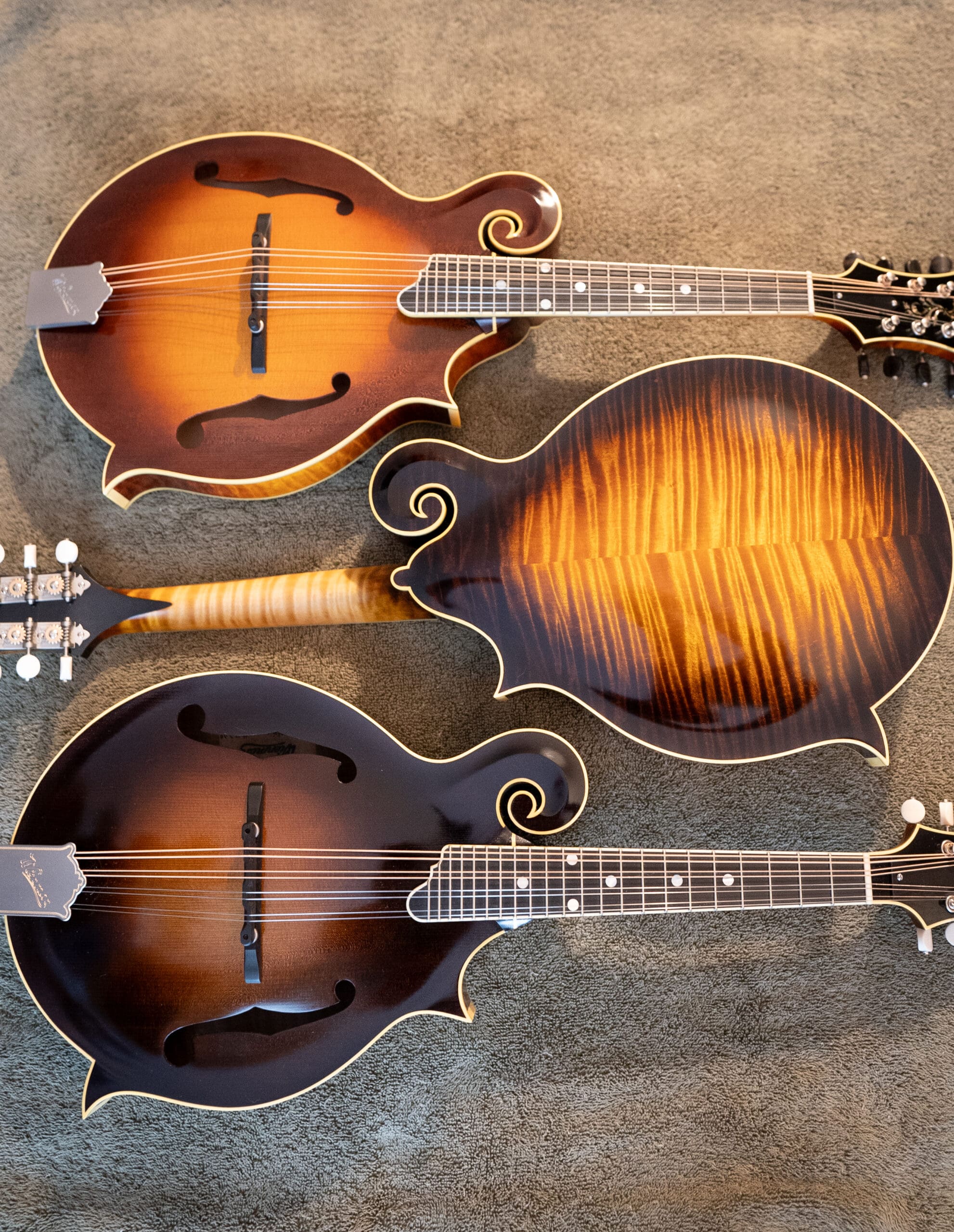
One model of mandolin looms large over any builder of high-end mandolins primarily used for bluegrass: the F-5 model designed by Gibson, and more specifically, the 250 or so F-5 mandolins built under the oversight of Lloyd Loar in the early 1920s. Advertisements and forums and review videos are replete with strong opinions about how similar a particular modern mandolin may be to these mythic forebears. As for the Wienmans, while the majority of their mandolins built to date are heavily influenced by and in the Florentine F-5 style of the 1920s, there is a lot of nuance to how they think about the influence of Loar mandolins on their process.
“I’ve owned a ’24 Loar and have been studying them since about 1978,” says Will. And along the way he had friends with several Loars that he had the opportunity to measure and examine closely. Comparing these Loars side by side (and more since), Will was astounded how different they can be instrument to instrument—not only in voice, but also in construction. “I’m seeing these minor differences in the graduation of tops, side depth, break angle, neck shape and the arching of the back from Loar to Loar.” The real eye-opener for Will was when he had the opportunity to study six Loars at the same time: “They all had something special, but they were all a little different.” Accordingly, you’ll never hear the Wienmans say their mandolins are “built to Loar spec” (though that won’t keep you from finding the occasional aftermarket listing of a Wienman that describes it that way…).
“If you want to build an instrument that responds like a 100-year-old instrument within just a few years, you can’t build it like it was built 100 years ago,” says Will. This has led Will and Wes to slightly deviate from some of the most general Loar specs: The plane of the arching is different, the break angle and the way the neck attaches are different, the necks tend to be thicker and less v-shaped, and they tend to carve tops so that the symmetry of the graduations are different than those observed in many Loars.
“In general, I’d say that those early Florentine examples followed more of the German school of violin making, whereas our mandolins are influenced more by the Italian school. Regardless, what we really wanted was that response and that power and the ability to finesse” that the best Loars have, and they believe the trade-offs above help them find the sound that has made their F-5 Artist mandolin model so desired. Without a doubt, their admiration for the Loar era of mandolins is evident in every mandolin they have built, including recent mandolins modeled from the voices of some very specific Loars.
The First Wienman Sale
The story of how the Wienmans sold their first mandolin is one of those amazing quasi-mythical stories that seems possible only in Nashville, especially when told by Will Wienman, but it’s true.
“To our ear, we thought our first three mandolins were just incredibly responsive and balanced and powerful, but we’re not professional players. We thought the finish was good too, but you know…we were in a bubble. So we went to Nashville because we wanted to see how our mandolins stood up against all of the mandolins. We had no intention of going to Nashville to sell mandolins. As a matter of fact, none of those first mandolins even had labels in them.
“We made an appointment with George Gruhn at Gruhn Guitars. When we got there, he sent Greg Voros, one of the managers at Gruhn, down to look at our mandolins. He looked at our F-5 mandolin, then he went away and he came back down and said, ‘George wants to see your mandolin. Come back after lunch.’”
When they returned, after a few hours of George Gruhn and the Wienmans comparing their mandolin to a few Loar-era F-5s kept in the famed upstairs of the shop, and George giving them some good-hearted grief about their unrecognizable name on the headstock and a few differences in arching and F-hole shapes, George continued with his obvious interest in the Wienman mandolin. Before they knew it, it was closing time at Gruhn and George asked if he could take one of their mandolins backstage to the Opry that night to show it to some friends. Not wanting to miss the opportunity for their mandolin to get in the hands of seasoned players, the Wienmans quickly filled out a consignment sheet with George, left one mandolin with him and drove themselves and their other two mandolins back to North Carolina.
Legend has it a number of luminary players enjoyed the mandolin left behind in the care of Gruhn. But ultimately, about a month later, Jarrod Walker walked into the upstairs of Gruhn Guitars and made a connection with that Wienman F-5. This was after Jarrod’s stint touring with Claire Lynch and just before he got fully underway as the mandolinist for Billy Strings. Jarrod promptly shot off a message to the Wienmans: “I’m excited to say that I bought your mandolin from George Gruhn today! George took me upstairs and we A-B’d yours with three Loars, a Monteleone, and a handful of Gilchrists. I can honestly say that I preferred the tone of the Wienman over all of them with the exception of one Loar. Even that was a close call. Unfortunately I was short $160,000. I took the instrument home on loan last night, and in the several hours that I played it, it dramatically opened up. The mid-range is out of this world. Balanced, responsive and immediate…I know a good mandolin when I play one, and this one has something special.”
It’s certain that none of the Wienmans or George Gruhn or Jarrod Walker knew that this same mandolin—the Wienmans’ first F-5 (still without a label!)—would, within a few years, be played in arenas and stadiums for hundreds of thousands of fans a year, given the meteoric rise of Billy Strings. Regardless, they all knew that mandolin—and the way the Wienmans were building—was something special.
The Wienman Process: Then and Now
Talking with the Wienmans makes it evident that the combination of Will’s eye for design and Wes’ hands have worked in concert to build mandolins that are consistent from instrument to instrument, both in terms of aesthetics and sound.
Will’s experience in the vintage instrument world over decades has given him an intuitive sense of all manner of instrument design features. And while Will focuses on design ideals, Wes focuses on the slow manual labor required to execute the vision: “It boils down to the pressure of imagining what it’s like to spend so much on an instrument and what [the buyer] expects from it, because I’ve never spent that much on an instrument.”
This combination of the ideal and the practical go hand in hand for Will and Wes. For example, when it comes to knowing when a mandolin is finished, Will says, “When that carved top gets to the point where it wants to speak, then that’s where we slow down…when it really wants to speak, we set it aside and we make tone bars for it. And then we work the tone bars until they really want to speak with the top…and then you get the tone bars talking with each other in this real harmonious, nice sound.”
Wes saw things pretty differently, especially early on: When it comes to carving those last thousandths of an inch from a mandolin top, “you’re inside a cloud of anxiety, and at some point you just have to trust your ears and take it right to the edge but not go over.”
However, in building mandolins full-time since 2017, their process has brought about a consistent product and tone, coupled with those initial aesthetic ideals and meticulous focus. Since those early days, they’ve found efficiencies, built jigs and acquired specialized tools, but it’s still a highly manual process that is a lot more art than science.
At the end of the day, a Wienman mandolin is about Will and Wes’ collective experience, applied to pieces of wood that are by their nature unique, until the point when the wood speaks to them.
Photographs by Trevor Anthony
The post The Wood Wants to Speak: The mandolin-building team of Will and Wes Wienman first appeared on Fretboard Journal.
Guild unveils two new “accessible” 12-string acoustics, the F-412 and F-412E Standard

Guild has introduced a pair of new 12-string acoustics, the F-412 and F-412E Standard.
Both available in Natural and Pacific Sunset Burst, these guitars are branded as instruments for the “working guitarist”, and both sport a solid an array of quality tonewoods, with African mahogany backs and sides, solid Sitka spruce tops, as well as comfortable C-shaped mahogany necks with Indian rosewood fingerboards.
Finishing touches include tortoiseshell pickguards, white body binding, and cream Deluxe Vintage open-gear tuners.
The F-412E Standard is an electro-acoustic version, with an L.R. Baggs Element VTC active pickup system, offering Volume and Tone controls for tone shaping.
 Credit: Guild
Built in America, Nick Beach, Guild’s Product Manager of Fretted Instruments notes of the new guitars: “The new F-412 Standard guitars are the first American-made mahogany body 12-strings that Guild has offered in many years. These professional-quality guitars are also more accessible than our top-of-the-line 12-strings, putting them well within reach of working guitarists.”
 Credit: Guild
In terms of pricing, the F-412E Standard Natural sits at $2,999.99, while the F-412E Pacific Sunset Burst costs $3,099.99. If you’re strictly sticking to the acoustic side with no electronics, the F-412 Standard Natural is $2,799.99, with the F-412 Pacific Sunset priced at a slightly higher $2,899.99.
All F-412 and F-412E Standard guitars also come with a Guild Deluxe humidified hardshell case, as well as an accompanying Certificate of Authenticity.
To find out more, head to Guild.
The post Guild unveils two new “accessible” 12-string acoustics, the F-412 and F-412E Standard appeared first on Guitar.com | All Things Guitar.
“A more compact form without compromise”: Neural DSP downsizes its flagship Quad Cortex with the smaller but equally powerful Quad Cortex Mini

In what’s sure to be one of the biggest launches of the 2026 NAMM Show, Neural DSP has unveiled the Quad Cortex Mini, offering the full sound and processing power of its flagship Quad Cortex amp modeller in a significantly smaller footprint.
Measuring just 22.8 x 11.8 x 6.5 cm, weighing just 1.5 kg and 50% smaller, the Quad Cortex Mini is designed for easier-than-ever integration into pedalboards, compact racks and desktop studios, without sacrificing the immense power of the larger flagship version. You may or may not remember we blessed the original Quad Cortex with a 10/10 rating in our 2021 review, asking whether it would become the most “game-changing guitar product of the decade”. But will the Quad Cortex Mini make the same splash in the amp modeller market?
The Quad Cortex Mini interface is centred around a 7” touchscreen display and four stainless steel rotary footswitches, offering “precise, tactile control underfoot and at the fingertips in both live and studio environments”.
Features include Neural Capture V1 and V2 support for capturing amps, cabs, drives, fuzzes and compressors, a comprehensive library of 90+ amps, 100+ effects, 1,000+ IRs and 2,000+ Captures, and free access to thousands of community Captures via Cortex Cloud.
There’s also the Focus system for fast, hands-on parameter control with the rotary footswitches, a Pages system for extended footswitch control without increasing hardware footprint, and a Gig View for “performance-focused” stage control.
 Credit: Neural DSP
And while we’re on the topic of performance, the Quad Cortex Mini introduces a locking power connector for secure live operation. There’s also comprehensive I/O, with an instrument/mic combo input with phantom power, balanced XLR outputs, stereo send/return via TRS, MIDI over TRS and USB-C, and even a headphone output for quiet practice.
The new unit also sits neatly in the Quad Cortex ecosystem, with users able to move presets and system backups between a Quad Cortex and Quad Cortex Mini, if they wish.
“Since the introduction of Quad Cortex in 2020, our goal has been to define the standard for what an all-in-one digital rig can be,” says Douglas Castro, CEO and Co-Founder of Neural DSP.
“We set out to combine machine-learning-based modelling, studio-grade audio quality, and a fast, performance-focused workflow in a single unit. With Quad Cortex Mini, we’ve carried that same philosophy forward, preserving the processing architecture and Neural Capture technology that allow us to create ultra-accurate digital replicas of amplifiers, cabinets, drive pedals, fuzzes, and compressors, now in a more compact form without compromise.”
 Credit: Neural DSP
In addition to the launch of the Quad Cortex Mini, Neural DSP has unveiled CorOS 4.0.0, bringing new utilities to the platform including a series of reverbs, plus Phase Doctor, which aligns signals in stereo rigs and multi-amp setups.
“Quad Cortex Mini represents our belief that size shouldn’t dictate what a professional rig is capable of,” concludes Francisco Cresp, Neural DSP Co-Founder and CPO.
“It carries forward the same sound quality, the same processing depth, and the same creative control that define Quad Cortex, while opening up new possibilities for how and where that level of performance can be used. The goal was to ensure that whether a player is in the studio, on stage, or on the road, they can rely on the same technology, the same results, and the same level of trust in their rig, regardless of form factor.”
The Quad Cortex Mini is available now, priced at €1,299. To learn more, head to Neural DSP, and if, like us, you’re lucky enough to be at the 2026 NAMM Show, you can pay Neural DSP a visit at Booth #5243.
The post “A more compact form without compromise”: Neural DSP downsizes its flagship Quad Cortex with the smaller but equally powerful Quad Cortex Mini appeared first on Guitar.com | All Things Guitar.
Rig Rundown: Bryan Adams
The veteran Canadian rocker and his wingman Keith Scott count on hybrid rigs and golden Gibsons for their recent tour.
Last year, Bryan Adams launched the Roll With the Punches Tour, a 40-show run across North America which marked his most significant outing in years. The production touched down at Nashville’s Bridgestone Arena in early November. That’s where Adams’ tech Craig Pattison gave PG’s John Bohlinger a backstage tour of the gear used by Adams, and guitarist Keith Scott and his tech Dan Ely detailed what’s used on the other side of the stage. Peep the highlights below, and tune into our new Rig Rundown for more!
[Brought to you by D’Addario.]
Summer of ’53
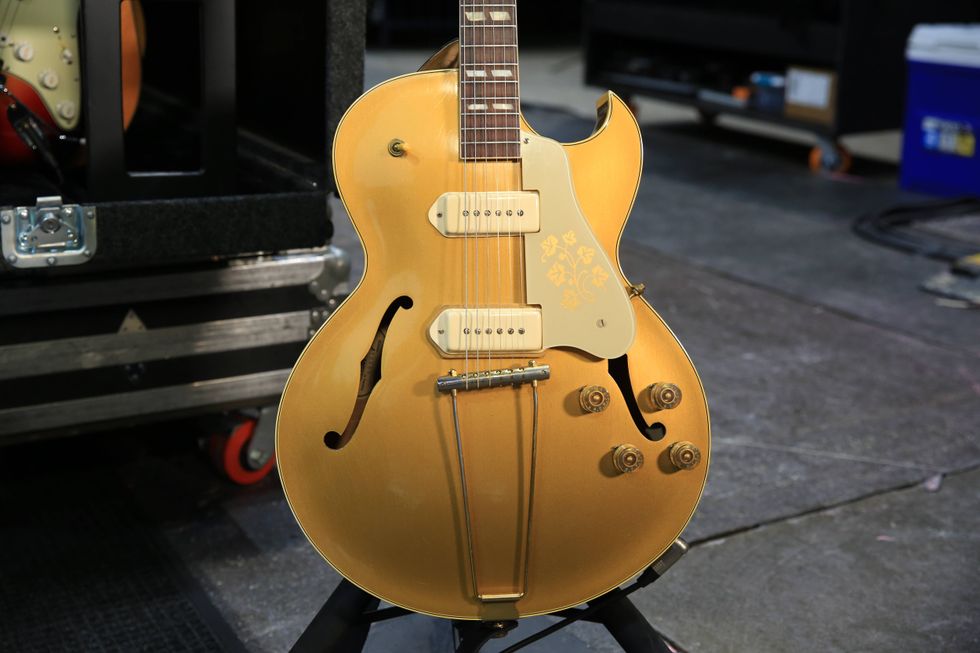
Adams has a few of these vintage Gibson ES-295s, loaded with P-90s, and treasures their expressiveness so highly that they’ve displaced the Stratocasters he used for much of his career. The original Kluson tuners were swapped out for Waverly machines. Another 295 stays on standby.
Adams’ guitars take custom La Bella strings (.012–.014–.017–.030–.040–.050). Second guitarist Keith Scott uses the same range, except with a .018 G string.
Adams’ Acoustic
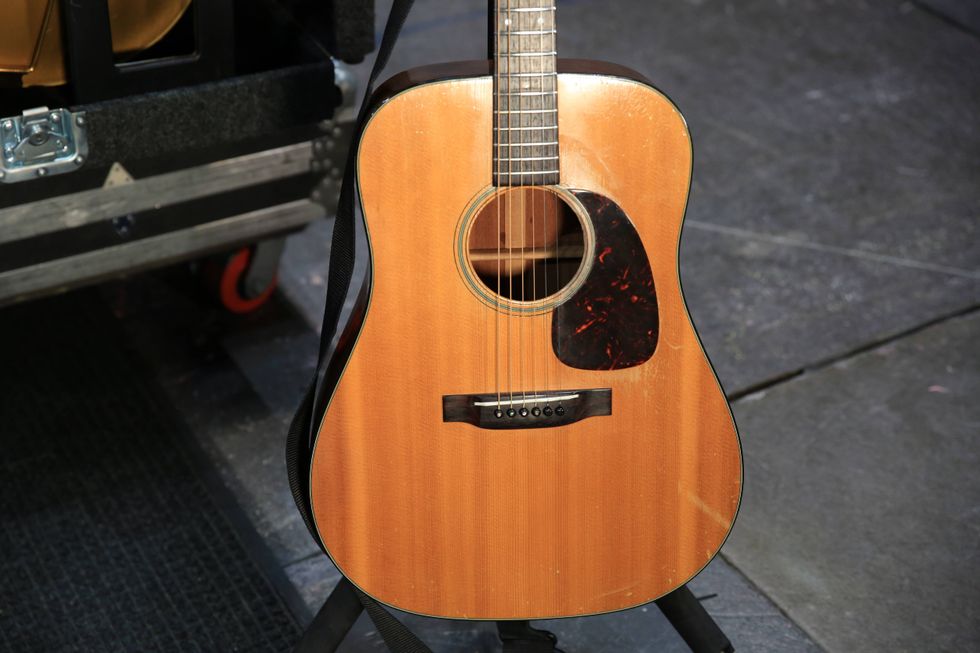
Adams’ 1954 Martin D-18 uses a Fishman Natural 1 pickup—a model that Pattinson stocked up on to ensure they never have to go without. The guitar takes a set of La Bella 7GPS Phosphor Bronze strings (.012–.052).
Bryan Adams’ Pedalboard
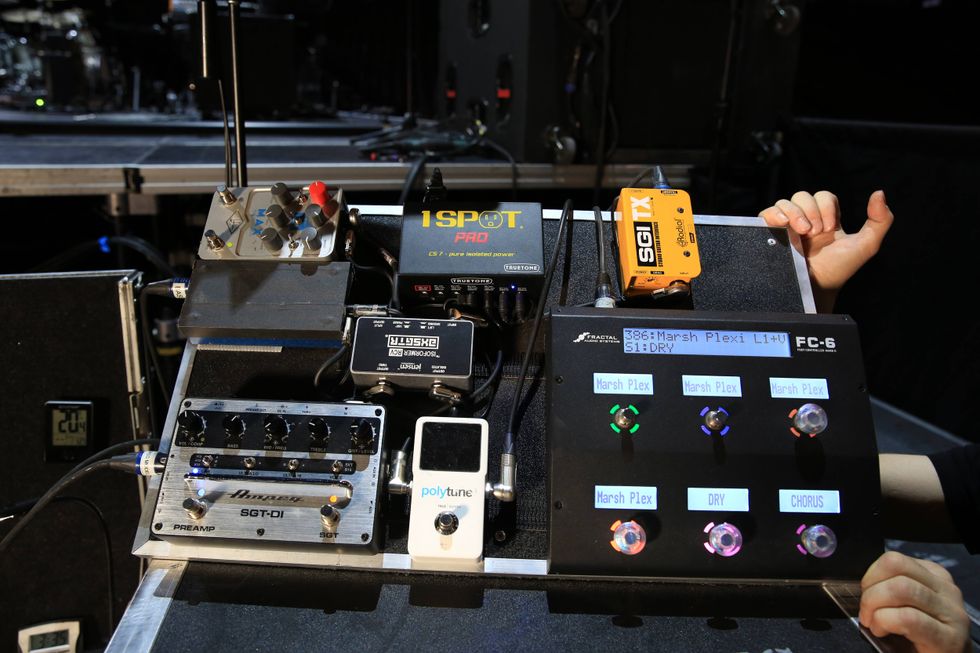
This simple board helps Adams navigate effects on guitar, but it also carries his bass rig when he switches to the 4-string. In addition to the Fractal FC-6 and TC Electronic Polytune, there’s an Ampeg SGT-DI, Radial SGI-TX, Universal Audio Max Preamp and Dual Compressor, and an Axess Electronics IsoFormer RCV. A Truetone CS-7 1 Spot Pro keeps the lights on.
Bryan Adams’ Rack Setup
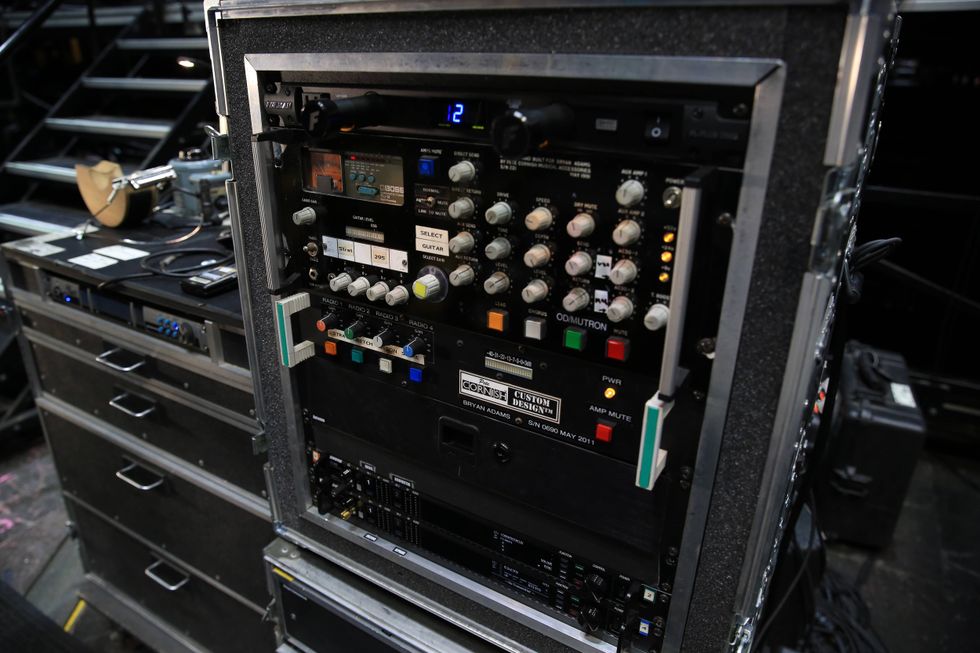
Adams’ chain runs into a massive Pete Cornish Custom Design control unit, which is the heart and soul of his sound. Among its many functions, it features an integrated tuner, distortion, and Mu-Tron effect unit. A Fractal Axe-Fx III with models of a Vox AC30 and a Marshall JTM45 has replaced his amplifiers, and the Fractal FC-6 controller on his pedalboard handles Adams’ switching.
Bryan Adams’ Rack Setup
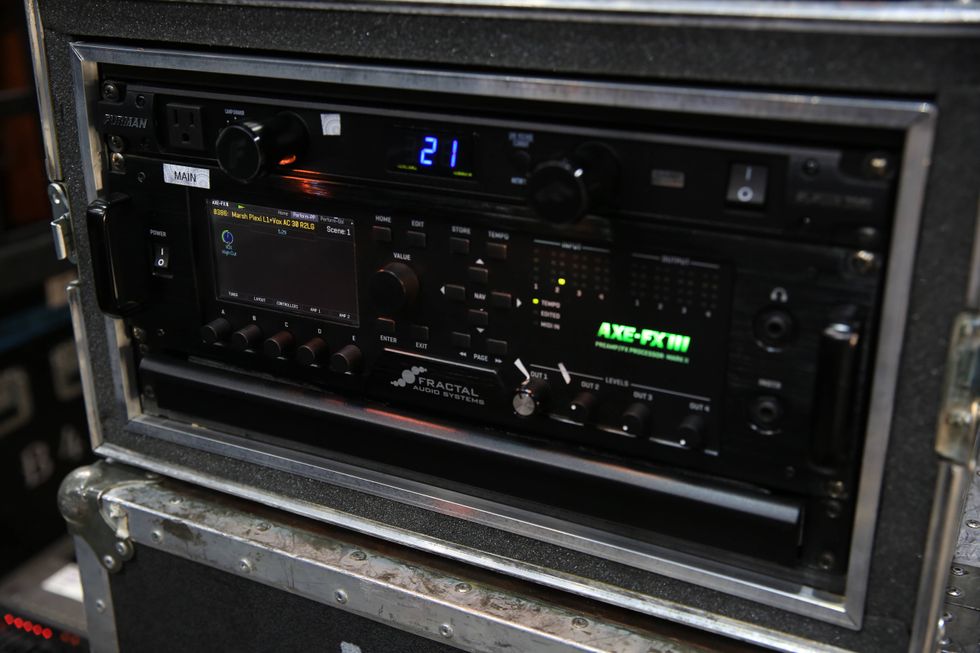
Adams’ chain runs into a massive Pete Cornish Custom Design control unit, which is the heart and soul of his sound. Among its many functions, it features an integrated tuner, distortion, and Mu-Tron effect unit. A Fractal Axe-Fx III with models of a Vox AC30 and a Marshall JTM45 has replaced his amplifiers, and the Fractal FC-6 controller on his pedalboard handles Adams’ switching.
Rock ’n’ Roll Relic
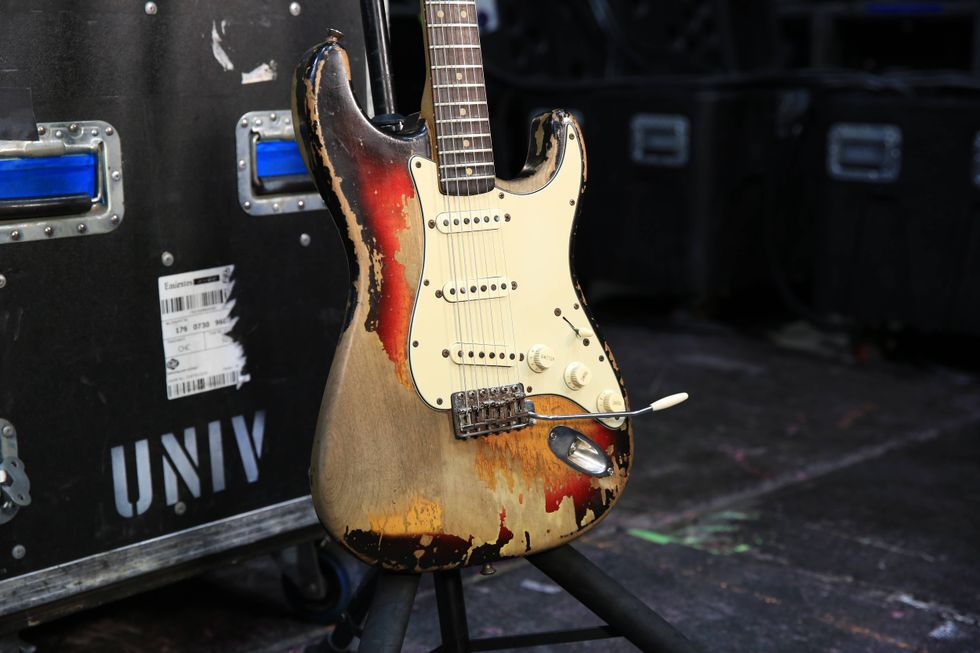
Scott’s main weapon is this 1963 Fender Stratocaster. As you might guess, it came by its worn look very honestly.
A Gift to Remember
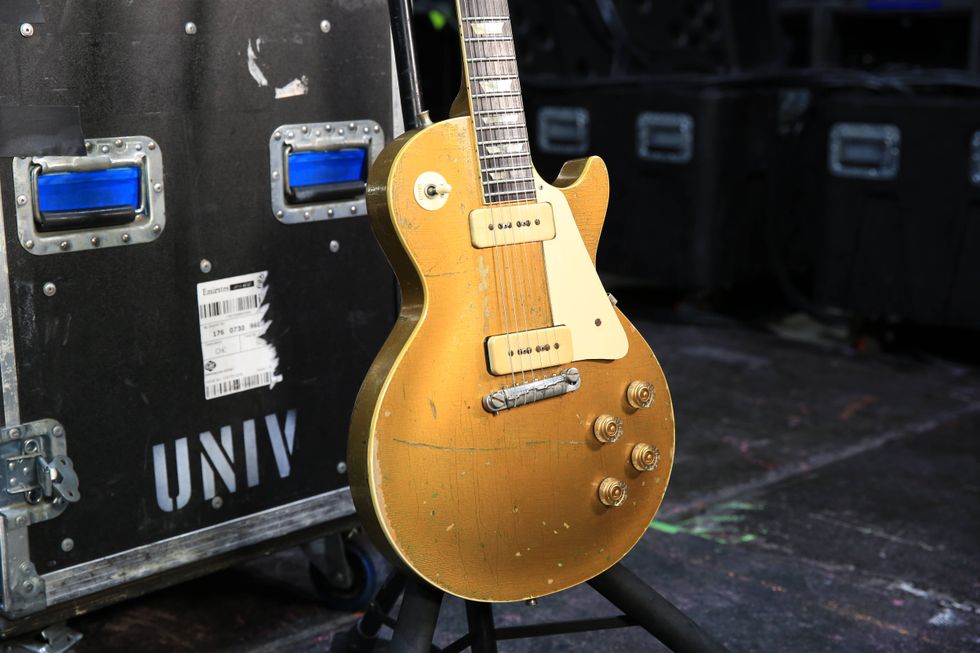
This 1954 Gibson Les Paul was gifted to Scott by Adams for Christmas in 1989. Over the years, it’s been refretted, and fitted with upgraded bridge, machine heads, and nut.
Paint it Black-Panel
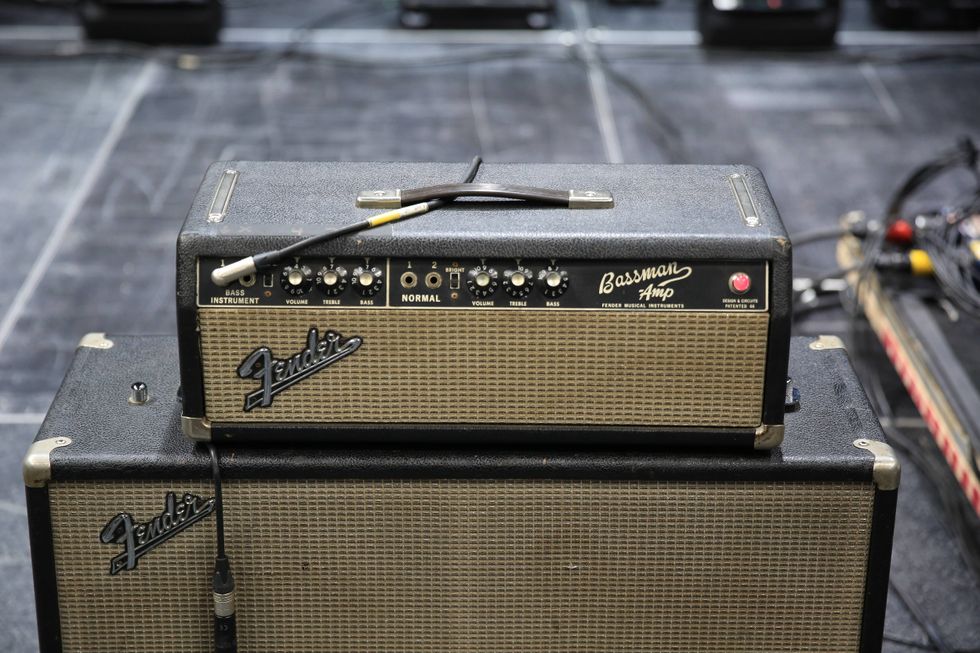
In addition to a backstage rack setup, Scott runs a pair of black-panel Fender Bassman heads through matching cabinets.
Keith Scott’s Rack and Effects
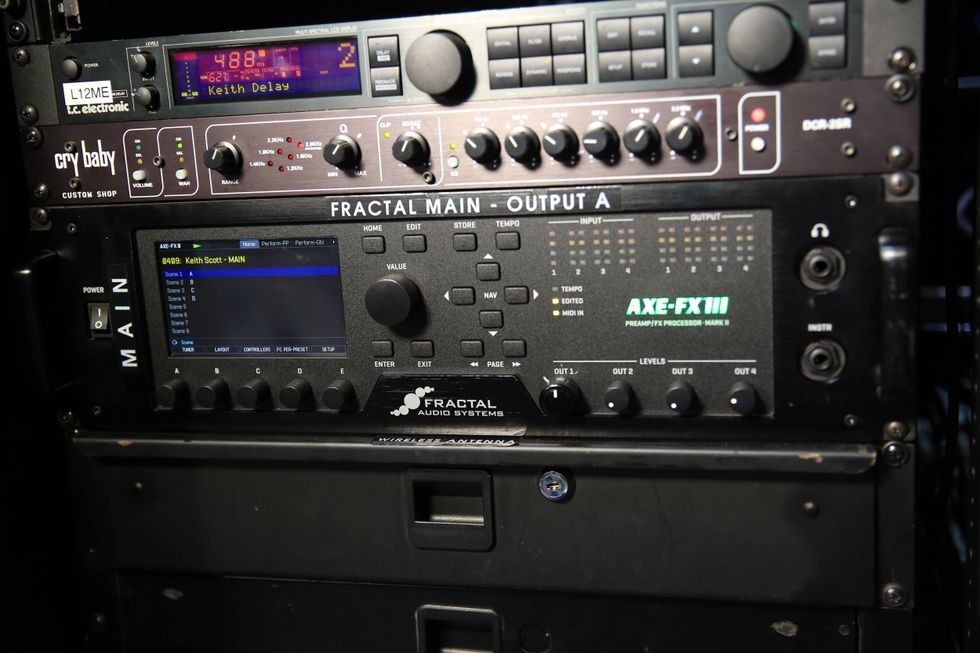
Scott, too, runs a Fractal Axe-Fx III system, housed in a rack alongside a Dunlop DCR-2SR Custom Shop Wah rack unit and a TC Electronic D-Two delay. His main tone comes from a cranked Ibanez Tube Screamer, and other pedals include a Boss TR-2, Stone Deaf Noise Reaper, Darkglass Hyper Luminal, Boss CS-3, KingTone The Octaland, Ibanez AF-9, Lovetone Brown Source, Hughes & Kettner Tube Rotosphere, Subdecay Prometheus DLX, Strymon El Capistan, TC Electronic TC2290, and Boss CH-1.
An RJM Effect Gizmo and Mastermind GT help Scott navigate some switching, but tech Ely handles 80 percent of the work.
Keith Scott’s Rack and Effects
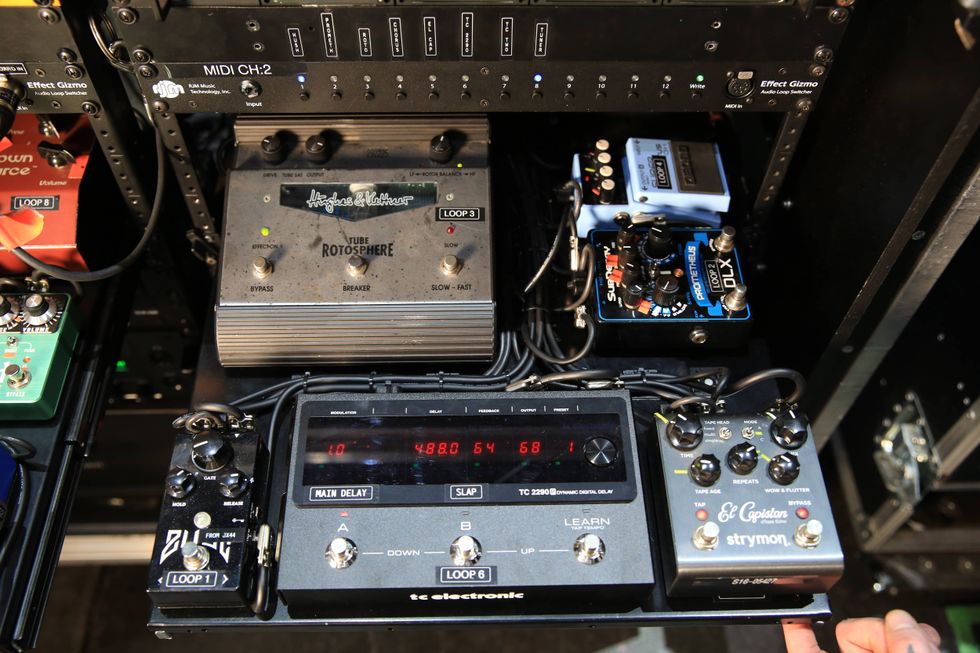
Scott, too, runs a Fractal Axe-Fx III system, housed in a rack alongside a Dunlop DCR-2SR Custom Shop Wah rack unit and a TC Electronic D-Two delay. His main tone comes from a cranked Ibanez Tube Screamer, and other pedals include a Boss TR-2, Stone Deaf Noise Reaper, Darkglass Hyper Luminal, Boss CS-3, KingTone The Octaland, Ibanez AF-9, Lovetone Brown Source, Hughes & Kettner Tube Rotosphere, Subdecay Prometheus DLX, Strymon El Capistan, TC Electronic TC2290, and Boss CH-1.
An RJM Effect Gizmo and Mastermind GT help Scott navigate some switching, but tech Ely handles 80 percent of the work.
Keith Scott’s Rack and Effects
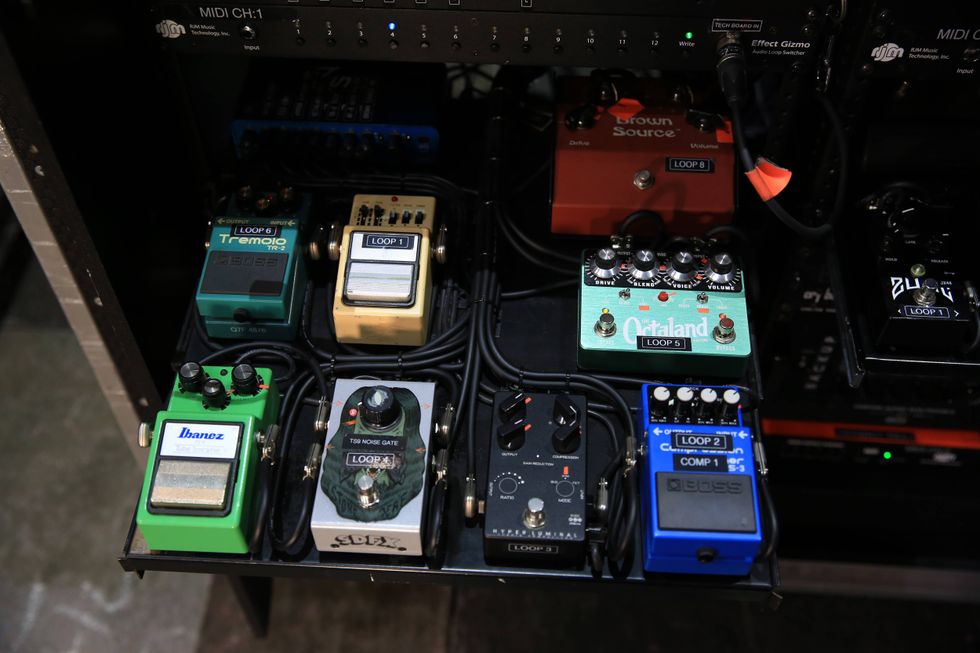
Scott, too, runs a Fractal Axe-Fx III system, housed in a rack alongside a Dunlop DCR-2SR Custom Shop Wah rack unit and a TC Electronic D-Two delay. His main tone comes from a cranked Ibanez Tube Screamer, and other pedals include a Boss TR-2, Stone Deaf Noise Reaper, Darkglass Hyper Luminal, Boss CS-3, KingTone The Octaland, Ibanez AF-9, Lovetone Brown Source, Hughes & Kettner Tube Rotosphere, Subdecay Prometheus DLX, Strymon El Capistan, TC Electronic TC2290, and Boss CH-1.
An RJM Effect Gizmo and Mastermind GT help Scott navigate some switching, but tech Ely handles 80 percent of the work.
Keith Scott’s Rack and Effects
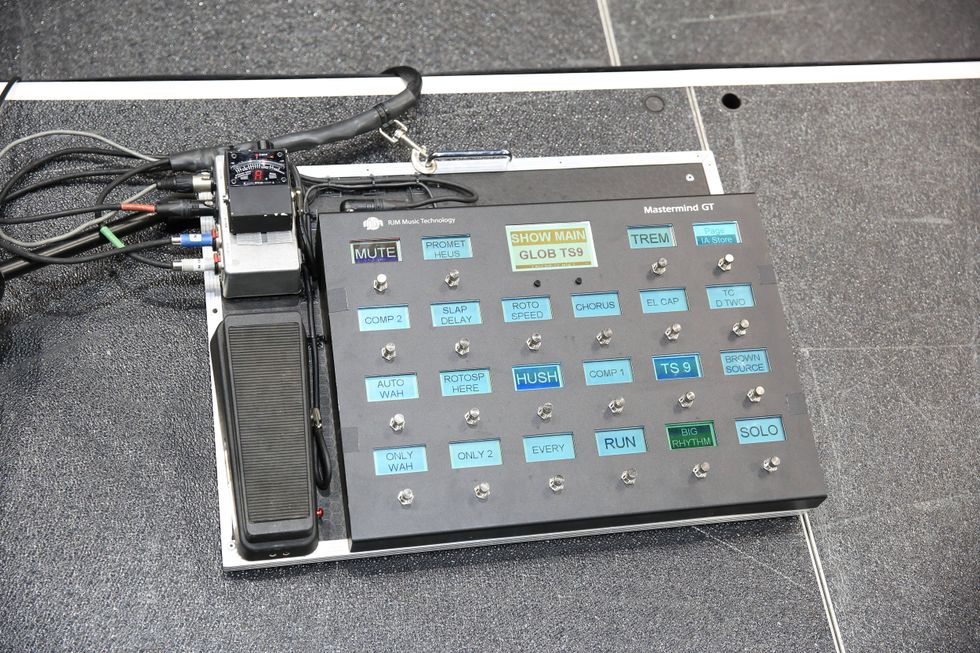
Scott, too, runs a Fractal Axe-Fx III system, housed in a rack alongside a Dunlop DCR-2SR Custom Shop Wah rack unit and a TC Electronic D-Two delay. His main tone comes from a cranked Ibanez Tube Screamer, and other pedals include a Boss TR-2, Stone Deaf Noise Reaper, Darkglass Hyper Luminal, Boss CS-3, KingTone The Octaland, Ibanez AF-9, Lovetone Brown Source, Hughes & Kettner Tube Rotosphere, Subdecay Prometheus DLX, Strymon El Capistan, TC Electronic TC2290, and Boss CH-1.
An RJM Effect Gizmo and Mastermind GT help Scott navigate some switching, but tech Ely handles 80 percent of the work.
Pro Pedalboards 2026!
From windmill-powered legends to digital revolutionaries—explore the pedalboards, rack systems, and signal chains that defined 2025, featuring Queens of the Stone Age, the Who, Linkin Park, Keith Urban, My Chemical Romance, and more.
The Who
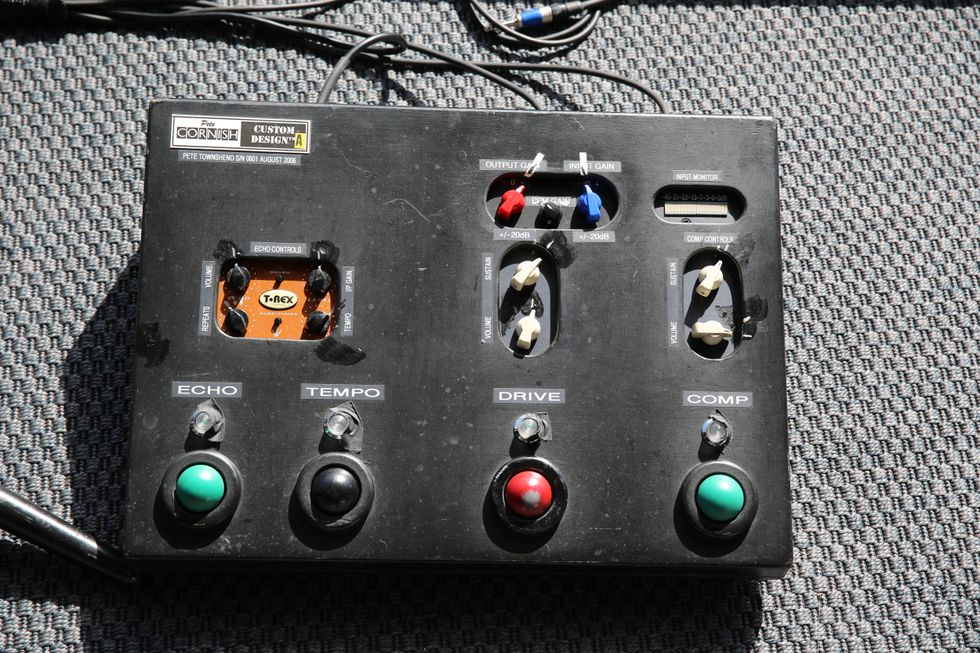
Pete Townshend’s Pedalboard
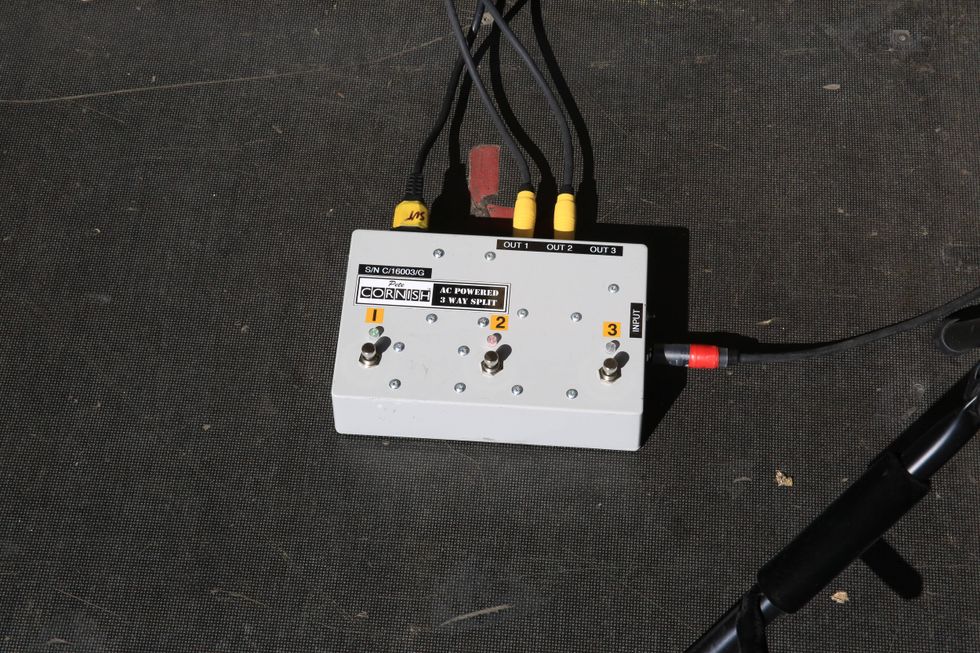
The legendary windmiller’s guitars run into a Pete Cornish AC Powered 3 Way Split box, then onto a very custom Cornish-built pedalboard. Inside are just three circuits, pulled from their enclosures and wired up by Cornish: a T-Rex Effects Replica, a Boss OD-1, and a Demeter Compulator. Tech Simon Law’s predecessor, lifelong Townshend tech Alan Rogan, had Cornish build two of these; the backup stays on hand in case of emergency. The board is also outfitted with a top-notch power supply and buffer circuit, plus the nifty “Dr. Who-style” footswitch buttons.
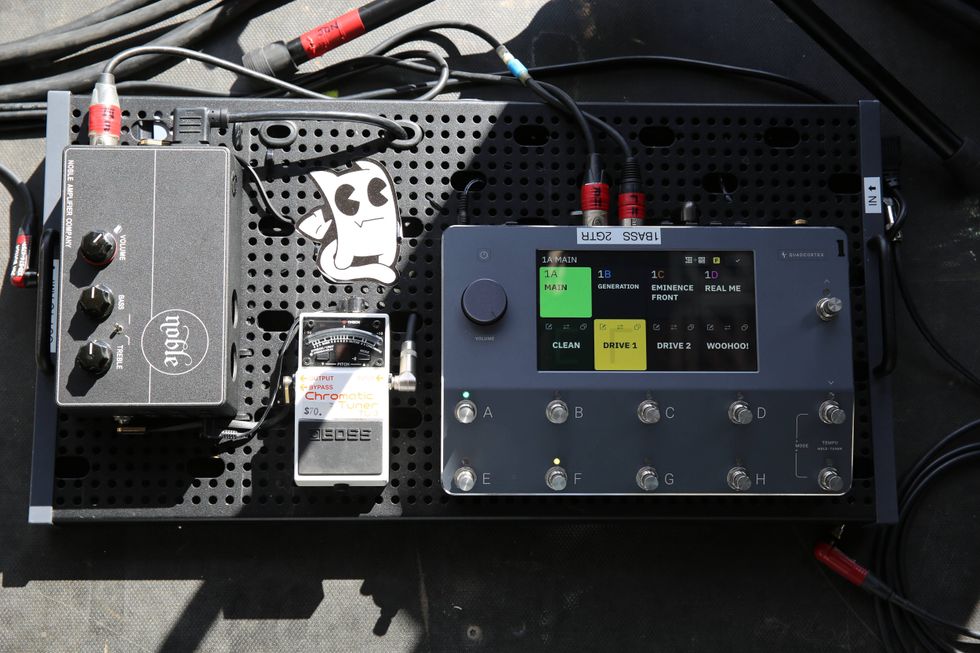
Jon Button’s Pedalboard
Button runs three signals to front of house: one from his Noble Preamp, and two from his Neural Quad Cortex. One of the Neural’s signals runs a stock Ampeg SVT model, and the other is an emulation of Pete Thorn’s Suhr SL68, plus four preset drive levels that Button can switch between as desired. Front of house blends the signals as they see fit.
Amyl and the Sniffers
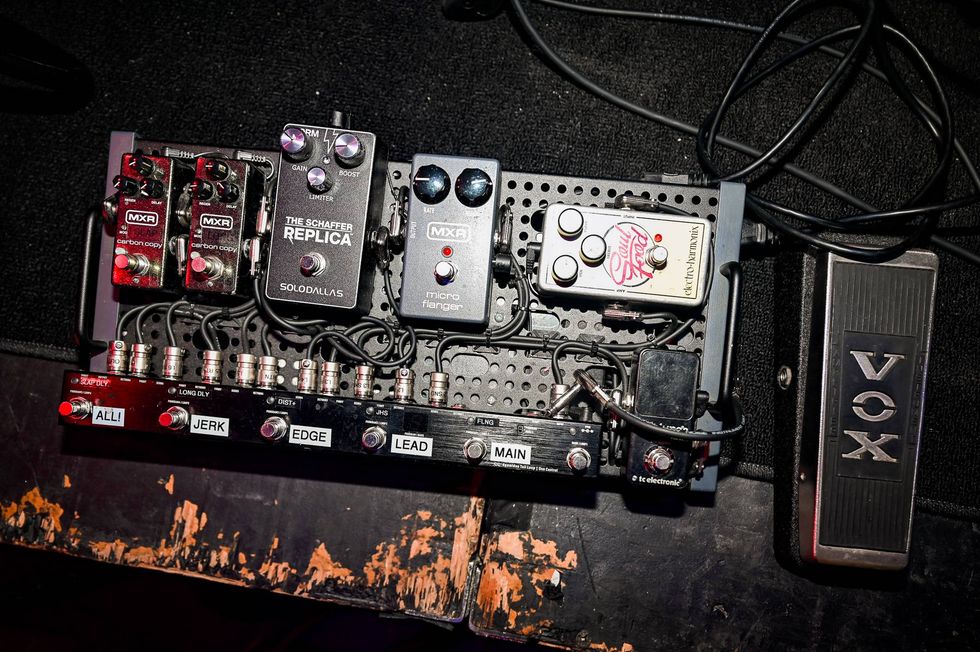
Declan Mehrtens’ Pedalboard
The jewel of Mehrtens’ board is his SoloDallas Schaffer Replica, famous for its recreation of Angus Young’s guitar tone. In addition, he runs a TC Electronic PolyTune 3 Noir, Electro-Harmonix Soul Food modded with LED diodes, MXR Micro Flanger, two MXR Carbon Copy Minis, and a Vox wah pedal. A switcher with six loops, built by Dave Friedman, manages the changes.
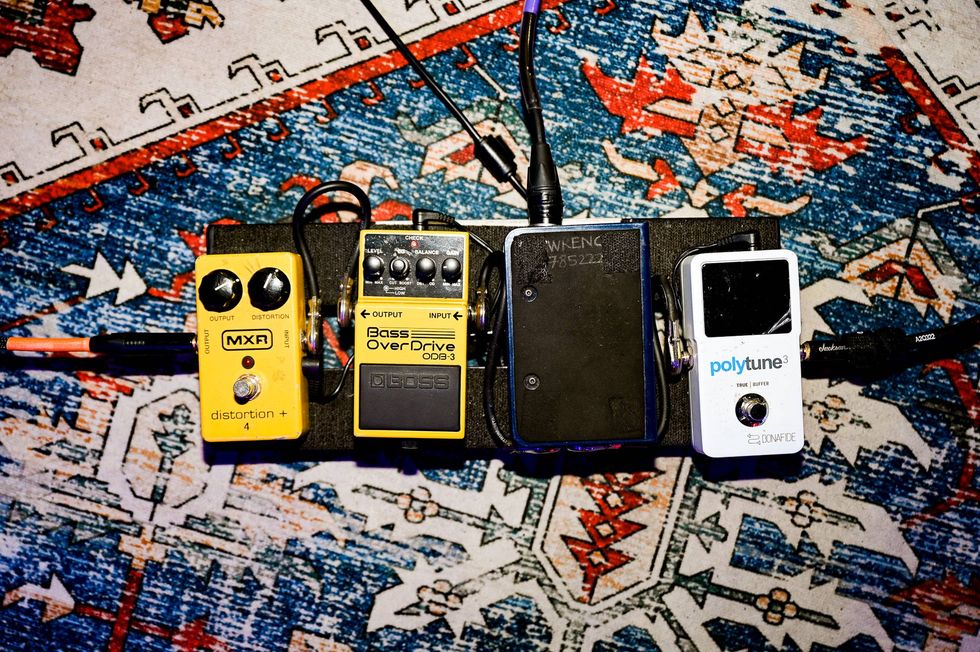
Gus Romer’s Pedalboard
Romer’s board, furnished with the help of Mehrtens, gets right to the point: It features a TC Electronic PolyTune 3, a Boss ODB-3, and an MXR Distortion+.
Queens of the Stone Age
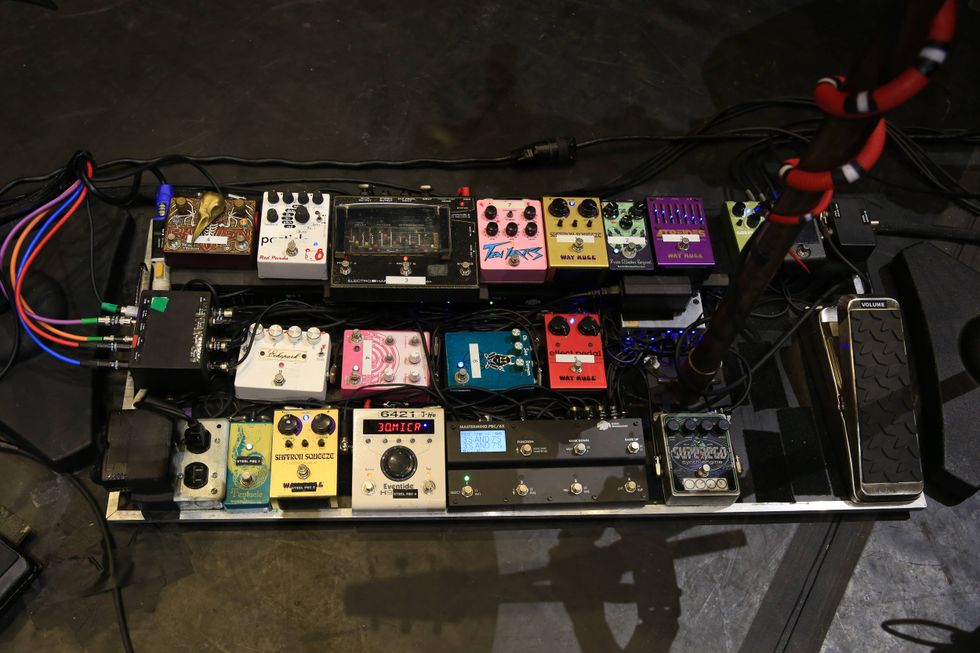
Troy Van Leeuwen’s Pedalboard
All of Van Leeuwen’s pedals go through loops, with a RJM Mastermind PBC/6X and Mastermind GT/16 handling the switching, and most processing done through a Fractal FM3 and a pair of Eventide H9s. Van Leeuwen designed the boards, and his tech Cody helped build and program it.
Across the two boards, there’s a pair of Electro-Harmonix Superegos and Way Huge Saffron Squeezes, plus Dunlop expression and volume pedals; EarthQuaker Devices Tentacle, Rainbow Machine, and Fuzz Master General; Way Huge Effect Pedal, Green Rhino, and Atreides; Echopark Echodriver; Ten Years Is A Decade; modified EHX Holiest Grail; and Dr. No Effects TVL Raven.
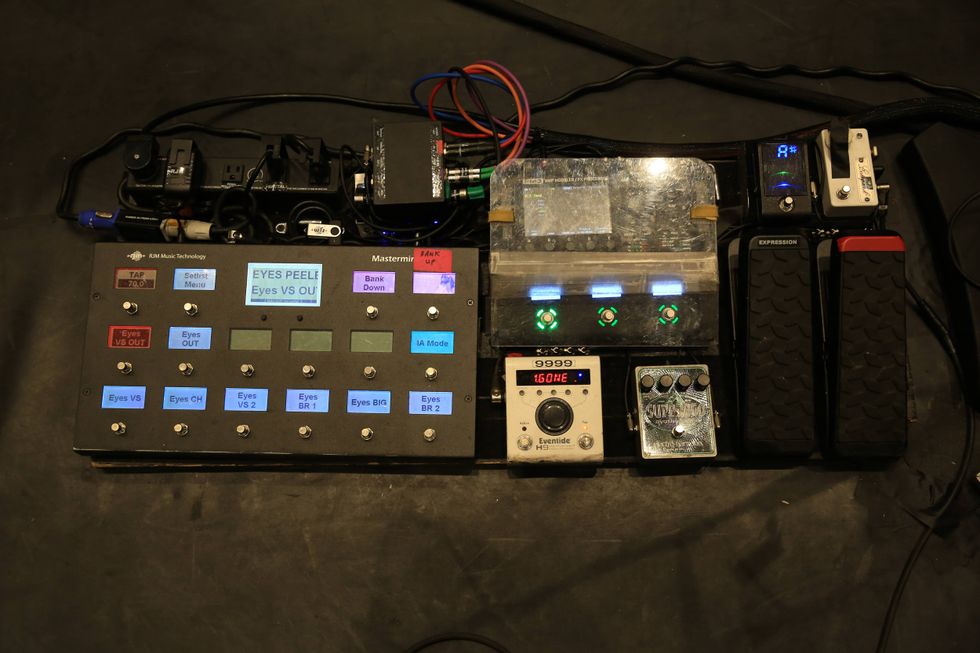
Dweezil Zappa
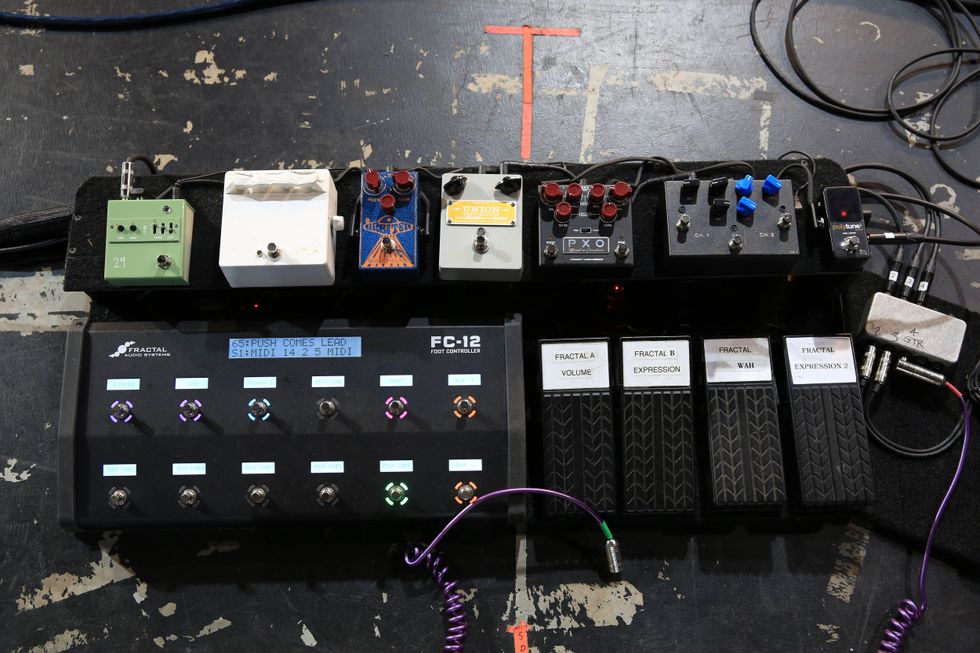
Dweezil Zappa’s Pedalboard and Rack
Zappa keeps a significant board at his feet, which he operates with a Fractal FC-12 controller. He runs his sound in stereo, with different effects going to each side, so he keeps volume pedals for each in front of him, plus a wah and expression pedal.
The row of pedals perched atop the board includes a TC Electronic Polytune 3 Noir, a Marshall-style prototype pedal, J. Rockett Audio Designs PXO, Union Tube and Transistor Lab, SoloDallas Orbiter, a Jext Telez White Pedal (to nab a specific tone for playing “Nanook Rubs It”), and a 29 Pedals FLWR.
In our 2013 Rig Rundown, Dweezil was using a Fractal Axe-Fx II, and this time around, he’s upgraded to the Axe-Fx III as the basis of his sound. Given the sonic territory covered in his shows, it simply became too unwieldy and expensive to tour an analog rig.
The brains of his show are held in a rack system. A couple of out-of-sight splitter boxes help with the complex stereo signal paths, as do a pair of Voodoo Lab HEX audio switchers. The Axe-Fx III lives on the top shelf, and just below it are an Eventide H90 and TC Electronic TC 2290 that go to both sides.
The next rack down runs only to the left side, and includes a BK Butler Tube Driver, DigiTech FreqOut, Red Panda Radius and Raster, Krozz Devices Airborn Analog Flanger, and a Paul Trombetta Design Tornita! fuzz.
The level below it runs to the right side, with a “Clown Vomit” fuzz, Chase Bliss Warped Vinyl, Korg FLG-1 Flanger, Chase Bliss Generation Loss, Goochfx Holy Cow, and another Red Panda Raster.
Linkin Park
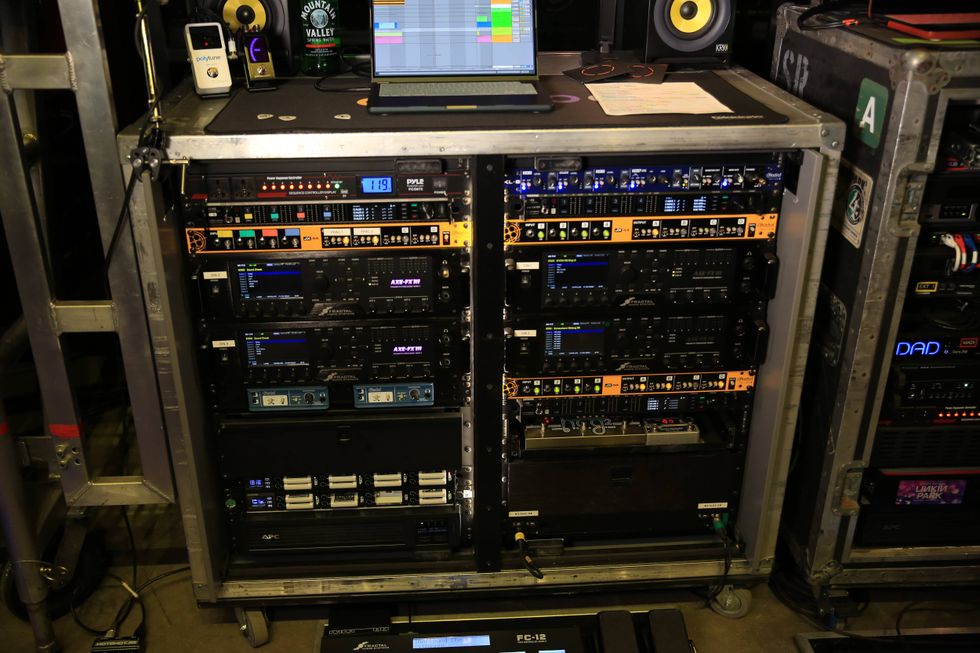
Mike Shinoda, Brad Delson, and Alex Feder’s Rack Systems
Brad Delson’s rig (used by touring member Alex Feder) lives on the left side of this rack, while Mike Shinoda’s takes up the right. They both feature a Radial KL-8, two Radial JX44s, two Shure AD4Qs, and two Fractal Axe-Fx III units. Shinoda’s setup also includes two Electro-Harmonix HOG2 pedals. The Fractals employ IRs that were captured by old FOH engineer Pooch, using a Randall cabinet.
MIDI handles all of the changes for the show, though there’s a Fractal FC-12 foot controller on hand for manual switching in case of emergency. Fred Carlton of Nerdmatics, who built the Linkin Park rig for the 2024-2025 run promoting From Zero, shared some information with us: “The backline gear consists of about 11 computers running Ableton, all receiving locator information from the main playback computers. We maintain redundant computer systems for Joe Hahn’s DJ rig, Mike Shinoda’s keyboard rig, the Audio FX rig, and the Playback system. Single-computer setups are used for both guitar rigs and the bass rig, as these stations only send MIDI patch changes and do not handle audio. Additional single-computer systems are in place at Monitor World, FOH, and within the Visual department.
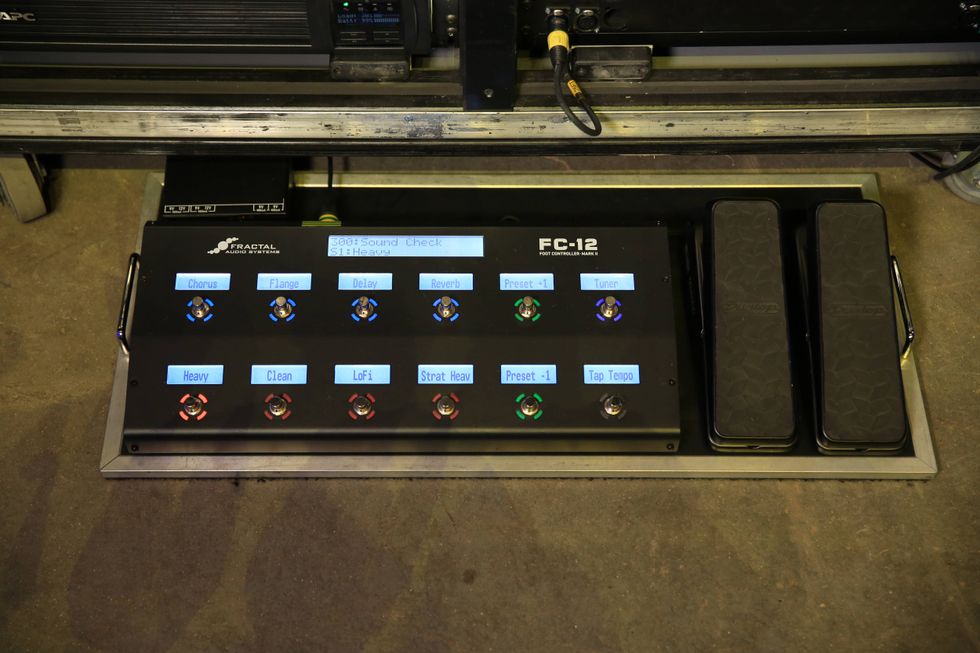
Each station carries an updated timeline of the show, allowing techs to insert automation data such as MIDI or timecode to control their systems. Once changes are made to the main Ableton session, we distribute updated .ALS files to all departments, enabling them to integrate their specific data into the new timeline. This workflow allows us to implement changes quickly while keeping all departments aligned. Having separate computers also gives each tech the ability to test their own system independently. In the event of losing RTP network connectivity, they can punt the show locally without relying on external automation.”
The Jesus Lizard
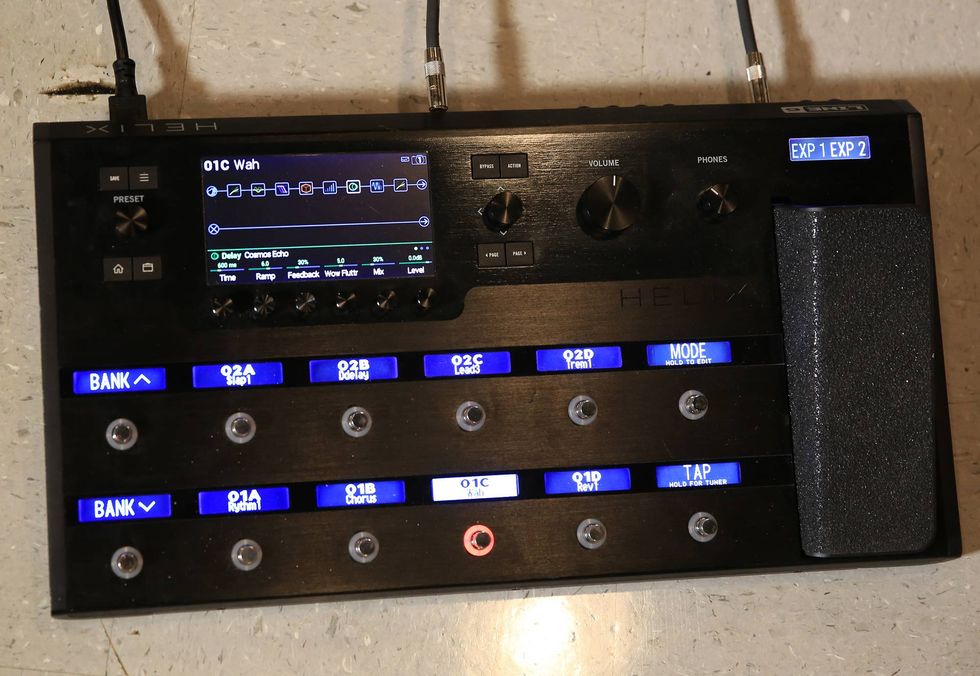
Duane Denison’s Pedalboard
Denison sets up this Line 6 Helix as a pedalboard, with tweaked versions of his favorite analog delay pedals programmed in. Among his go-to effects are reverb, slapback delay, tremolo, chorus, wah, longer delay, and what he calls a “wildcare effect,” which comes into play for “What If?”
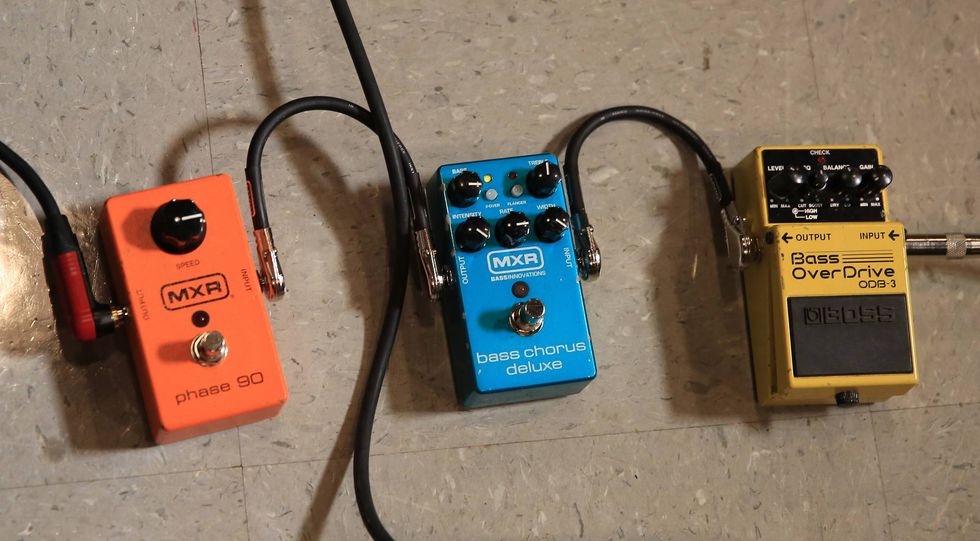
Dave Wm. Sims’ Pedalboard
No fancy floor unit for Sims. He’s got a Boss ODB-3, an MXR Bass Chorus Deluxe, and an MXR Phase 90, all of which are used sparingly throughout the set.
Keith Urban
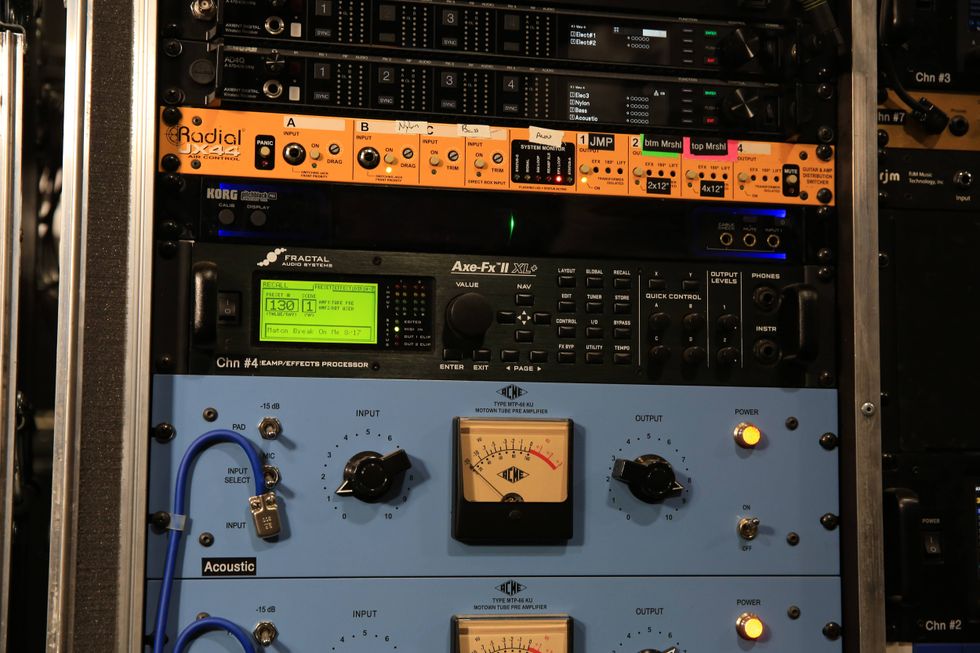
Keith Urban’s Pedalboard
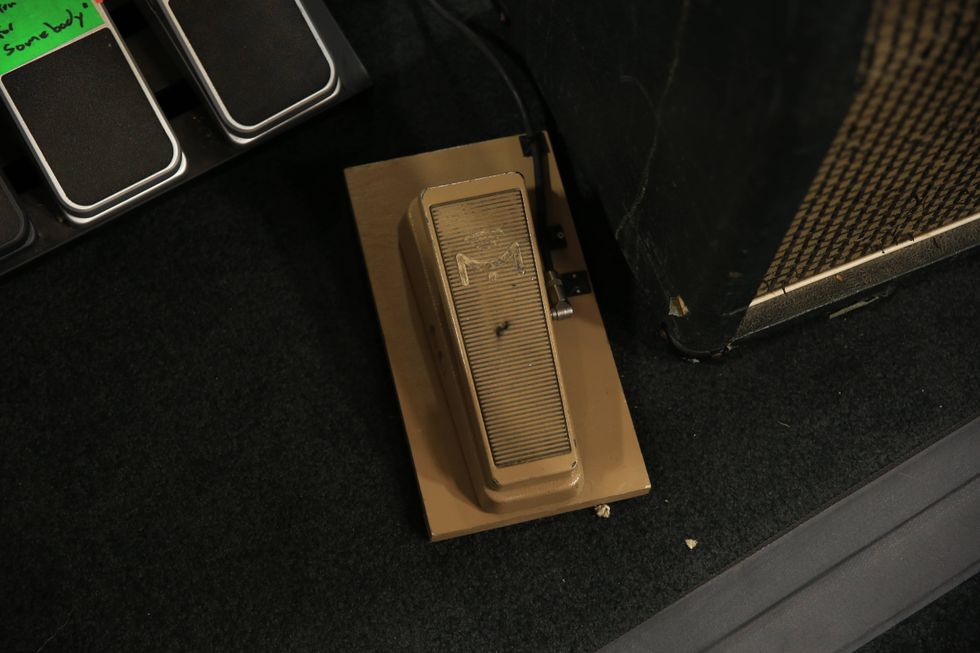
Delays and modulation are all added to Urban’s tones after three mics capture the sound of his Marshall cab. Those signals hit this Fractal Axe-Fx II XL+, which tech Chris Miller controls offstage. A Mission Engineering expression is the only pedal Urban utilizes, which controls a model of a Cry Baby in the Fractal.
Katy Perry's Devon Eisenbarger
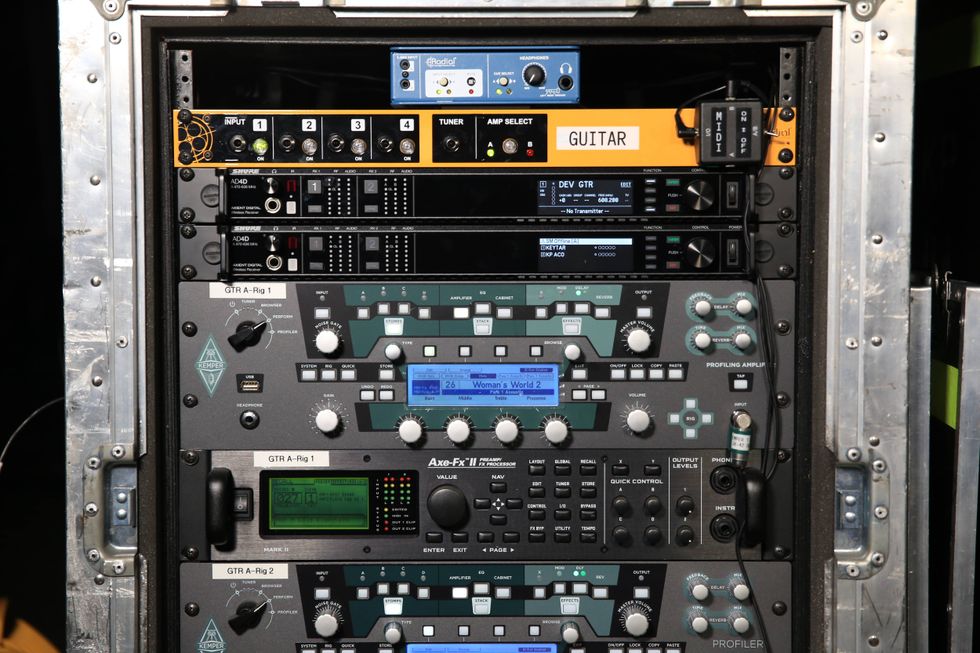
Devon Eisenbarger’s Rack Setup
Eisenbarger runs an all-digital rig, contained in this rack backstage. The key pieces are a Radial JX42, two Shure AD4Ds, a Kemper Profiling Amplifier, and a Fractal Axe-Fx. The Kemper runs a SELAH SOUNDS pack of profiles and impulse responses.
With no onstage monitors, Eisenbarger’s signal runs only to in-ear monitors and front of house.
Billy Idols' Steve Stevens
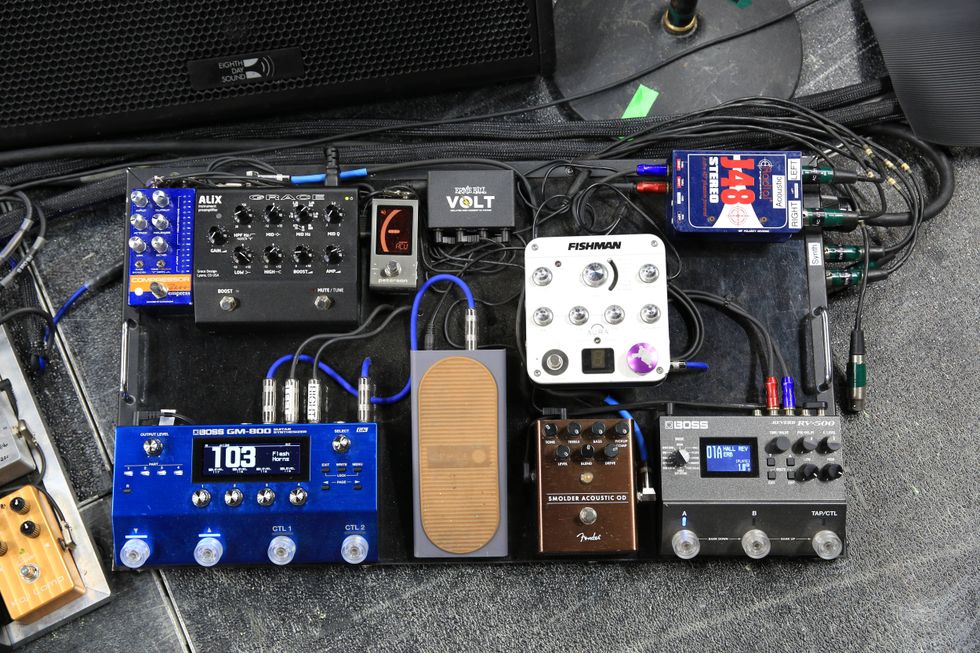
Steve Stevens’ Pedalboard
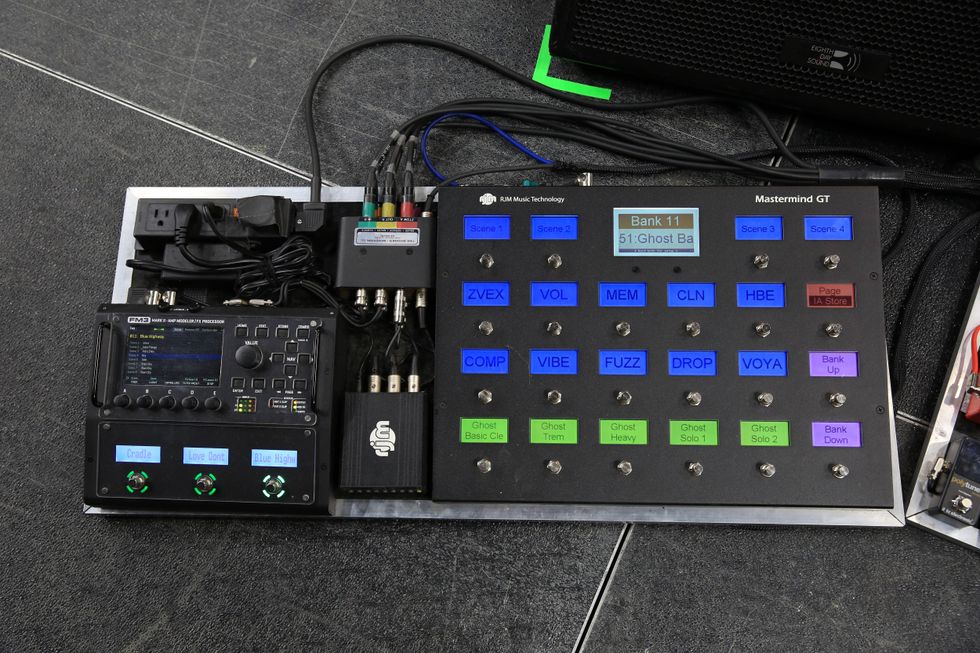
Stevens’ pedal playground is managed by an RJM Mastermind GT, which lives on its own board alongside a Fractal FM3 MK II. He orchestrates most of the changes himself, but tech Frank Falbo is ready to flip switches backstage in case Stevens is away from his board at a key moment.
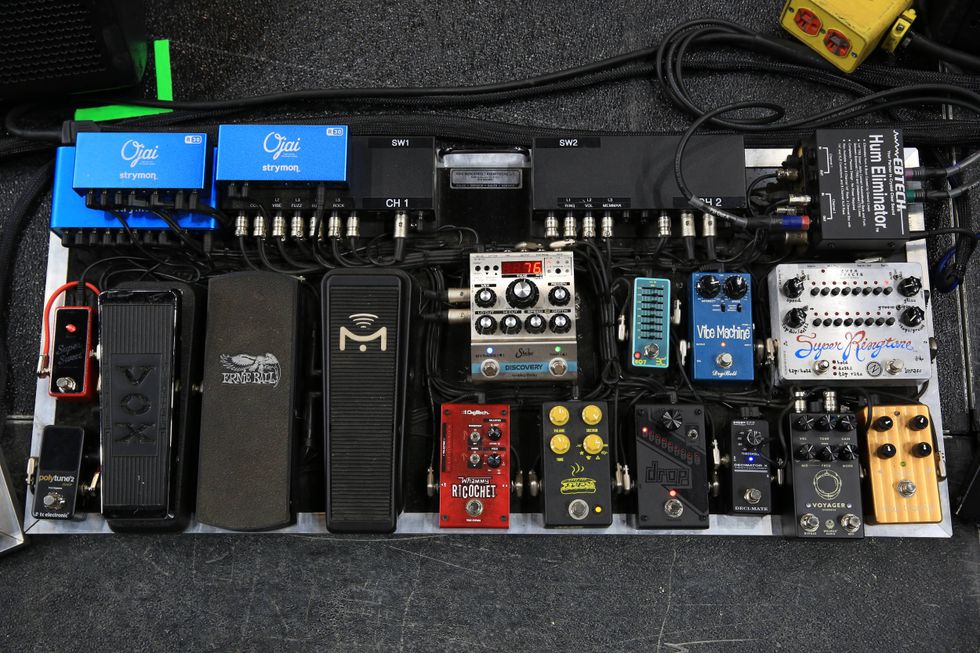
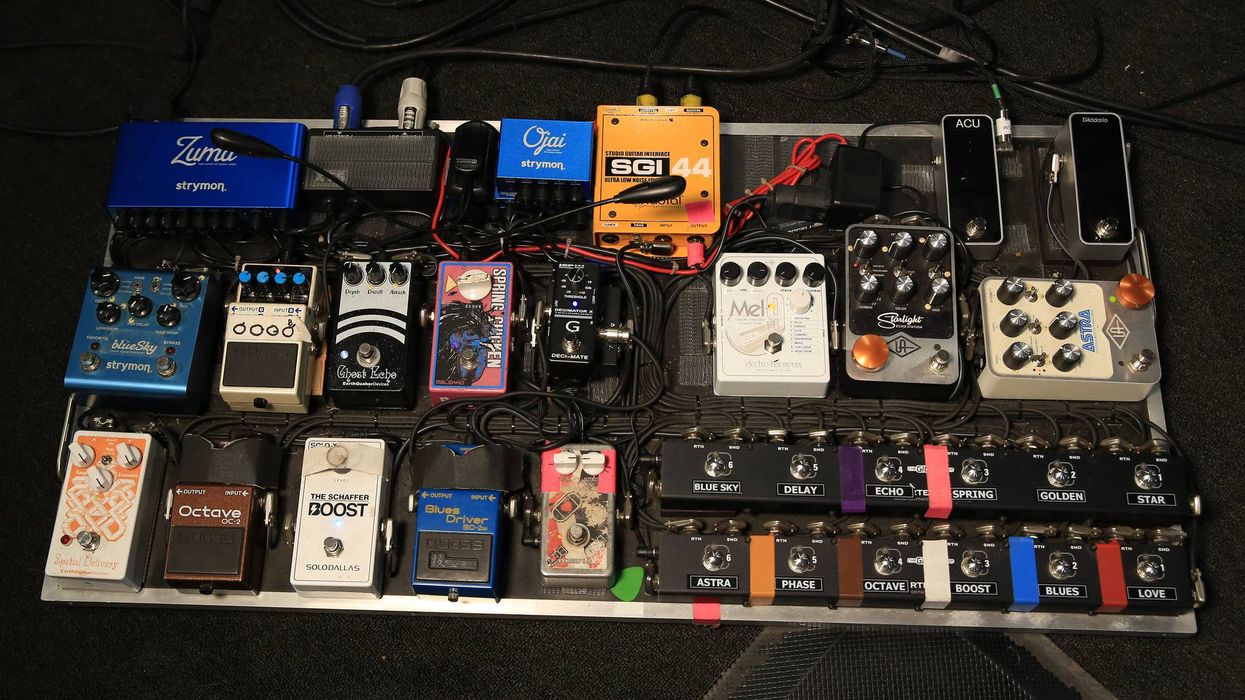
The center hub, built on a Tone Merchants board, carries a TC Electronic PolyTune2 Noir, Xotic Effects Super Sweet Booster, Vox wah, Ernie Ball volume pedal, Mission Engineering expression pedal, DigiTech Whammy Ricochet, Suhr Discovery, JHS Muffuletta, DigiTech Drop, ISP DECI-MATE, Walrus Voyager, Suhr Koji Comp, Zvex Super Ringtone, DryBell Vibe Machine, and Ammoon EX EQ7. An Ebtech Hum Eliminator, two Strymon Ojais, and a Strymon Zuma keep the wheels greased.
The board to the right carries a Boss RV-500, Fender Smolder Acoustic OD, Lehle Dual Expression, Boss GM-800, Empress Bass Compressor, Grace Design ALiX preamp, Fishman Aura, and a Peterson tuner. Utility boxes include an Ernie Ball Volt and a Radial J48.
Deep Sea Diver
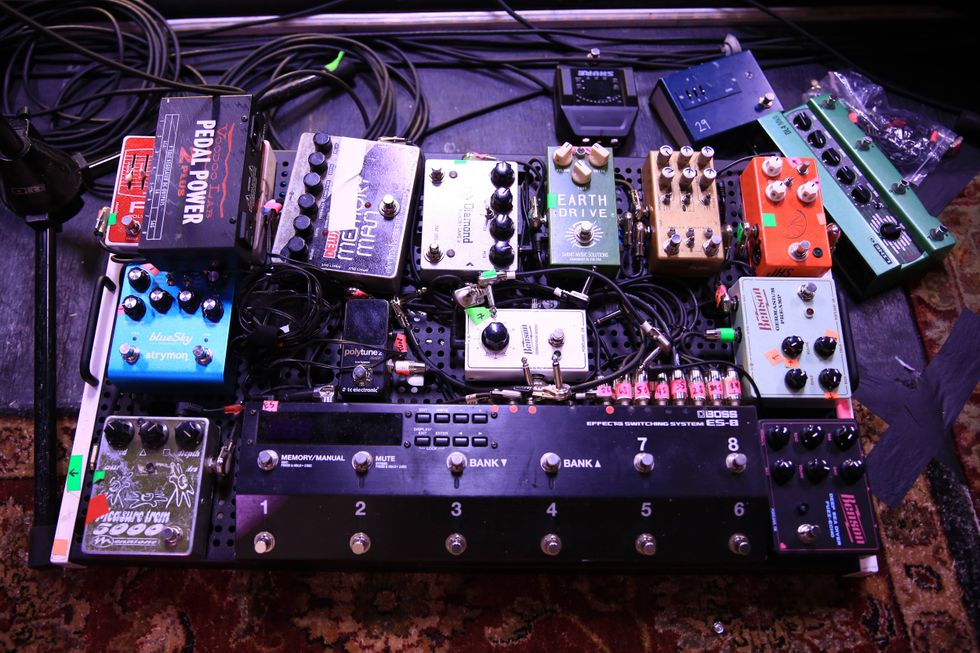
Jessica Dobson’s Pedalboard
Dobson runs a busy board powered by a Voodoo Labs Pedal Power 2 Plus and operated via a Boss ES-8. There’s also her signature Benson Deep Sea Diver, plus a Benson Germanium Preamp, JHS Pulp N Peel, Sarno Music Solutions Earth Drive, Benson Germanium Boost, EHX Deluxe Memory Man, Strymon blueSky, EHX POG2, Chase Bliss Brothers Analog Gainstage, and Menatone Pleasure Trem 5000, plus a TC Electronic PolyTune 2 Noir.
MJ Lenderman
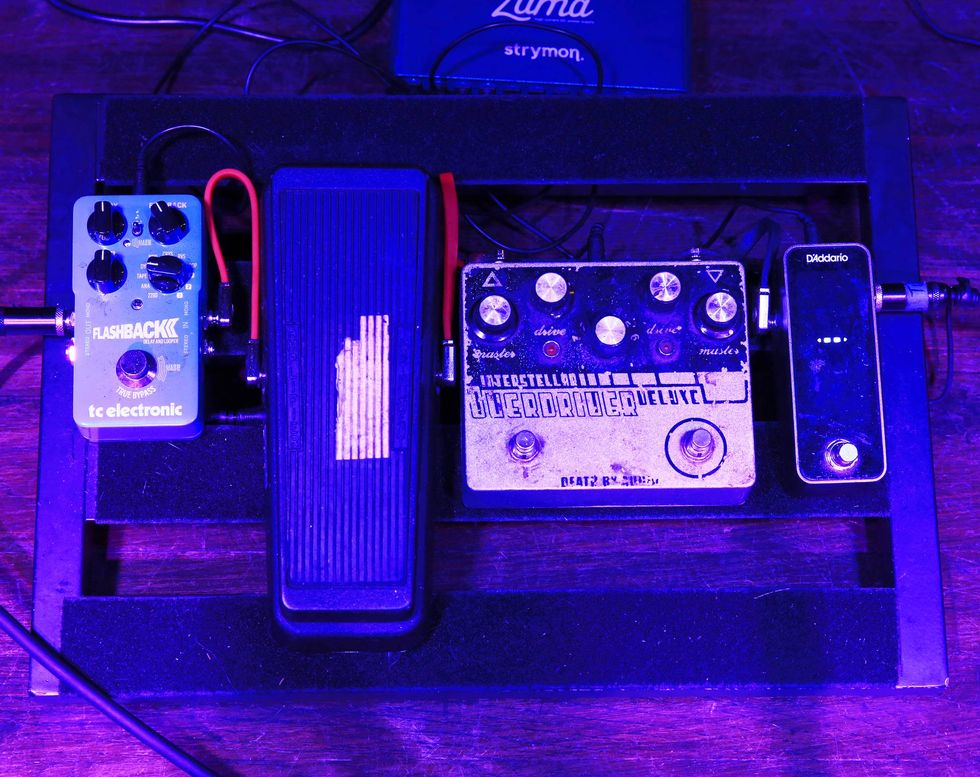
MJ Lenderman’s Pedalboard
Lenderman’s clean, easy board has a D’Addario tuner, Death By Audio Interstellar Overdriver Deluxe, a Dunlop wah that he uses as a subtle filter, and a TC Electronic Flashback 2.
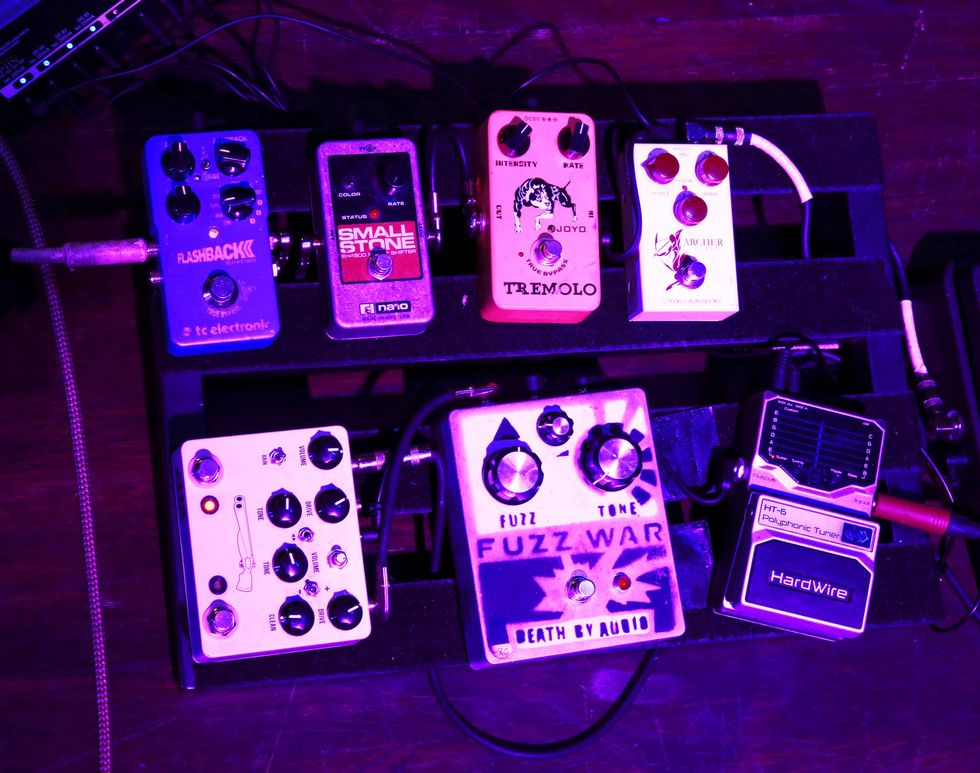
Jon Samuels’ Pedalboard
Samuels’ board, a hybrid of his own pedals and some borrowed units, carries a Hardwire HT-6 polyphonic tuner, Death By Audio Fuzz War, JHS Double Barrel, Dunlop wah, J. Rockett Archer Clean Boost, Joyo Tremolo, EHX Nano Small Stone, and TC Electronic Flashback 2.
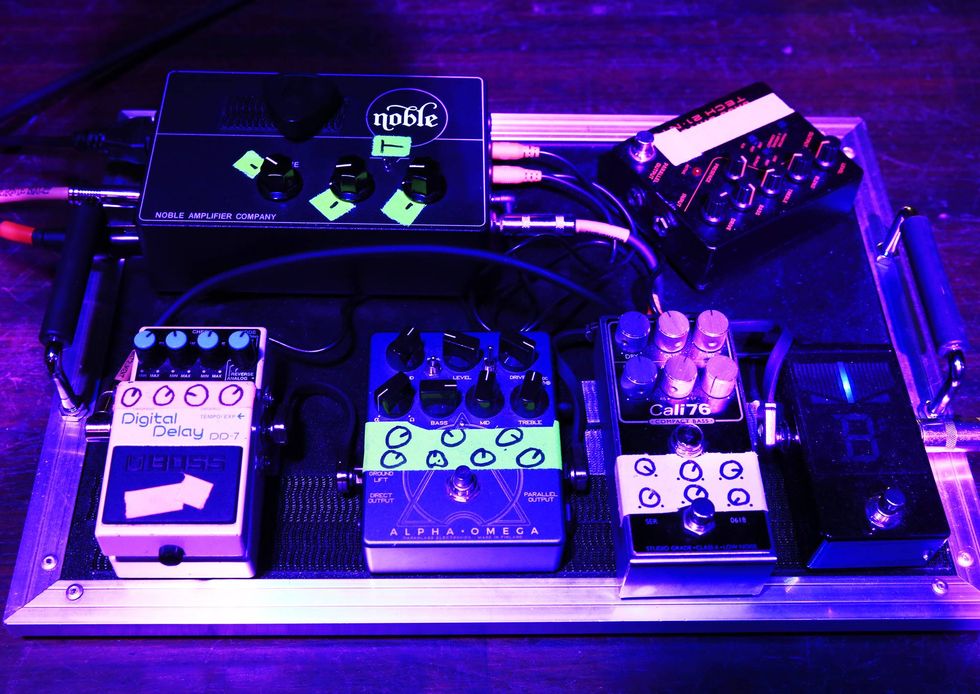
Landon George's Pedalboard
George packs a Korg Pitchblack tuner, Origin Effects Cali76 Compact Bass, Boss DD-7, Darkglass Electronics Alpha Omega, and a Noble Amplifier Company utility box—it’s a tube preamp, DI box, and power supply, all in one.
Orianthi
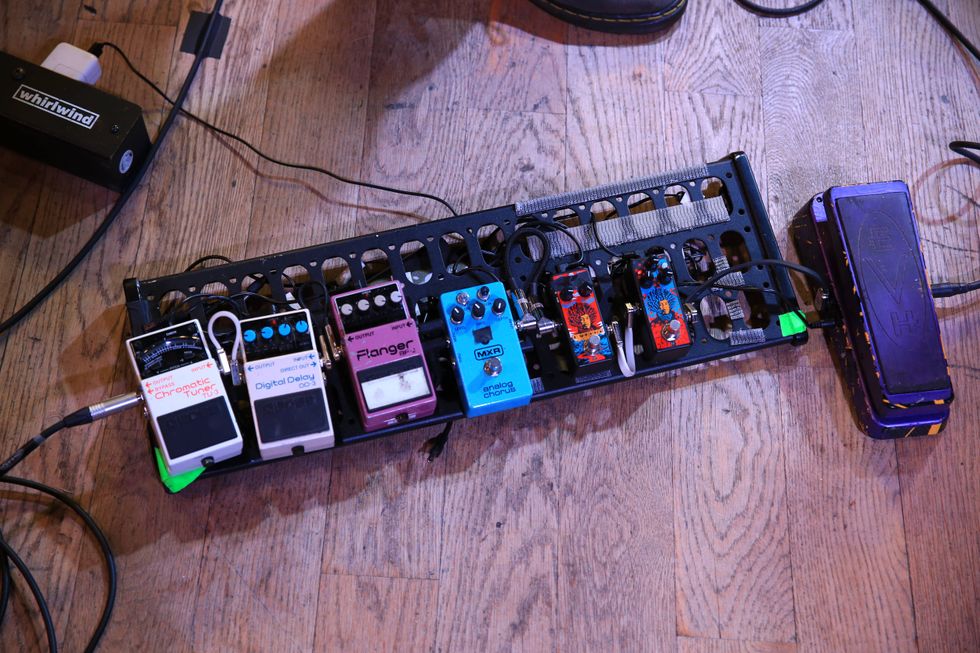
Orianthi’s Pedalboard
Orianthi’s playing does most of the heavy lifting, but this humble board contributes some muscle. There’s a Dunlop Cry Baby EVH wah, Dunlop Authentic Hendrix ’68 Shrine Series Octavio, Dunlop Authentic Hendrix ’68 Shrine Series Uni-Vibe, MXR Analog Chorus, Boss BF-2, Boss DD-3, and a Boss TU-3.
My Chemical Romance
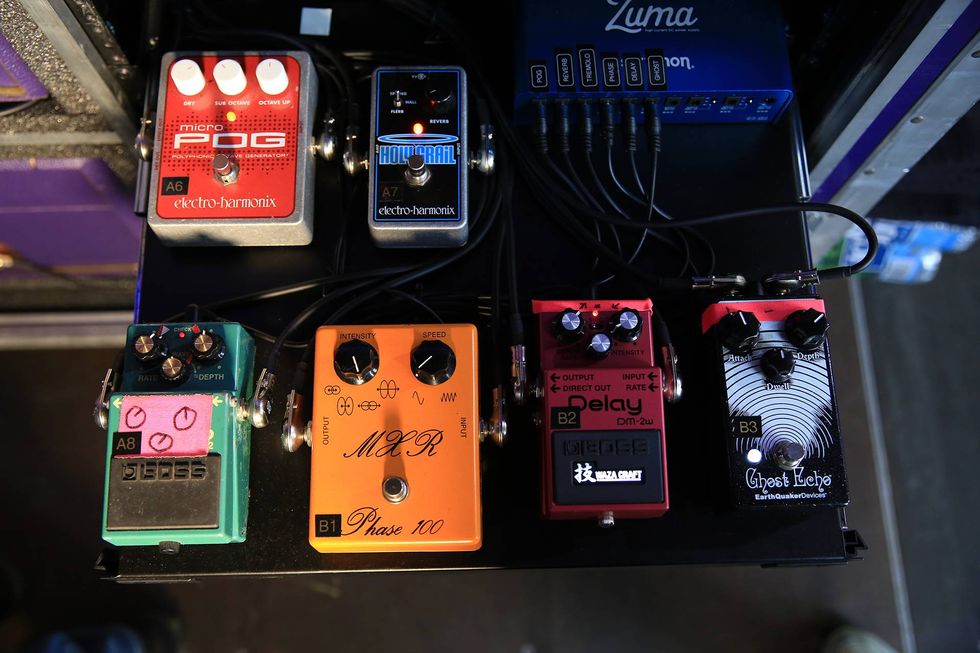
Frank Iero’s Rack
Iero’s backstage rig includes three main racks of effects, all powered by Strymon Zumas.
The first carries a Mesa Boogie 5-Band Graphic EQ, Amaze by Analogman Prince of Tone, Bowman Audio Endeavors Bowman Overdrive, JHS Hard Drive, and Hayashi Craft Trick Gain.
Drawer two is about modulation, and includes a Boss TR-2, MXR Phase 100, Boss DM-2W, EarthQuaker Devices Ghost Echo, EHX Micro POG, and EHX Holy Grail.
The last drawer bears a Jackson Audio Twin Twelve, EHX Deluxe Memory Man, Ibanez Tube Screamer Overdrive Pro, and Bowman Audio Bellyacher.
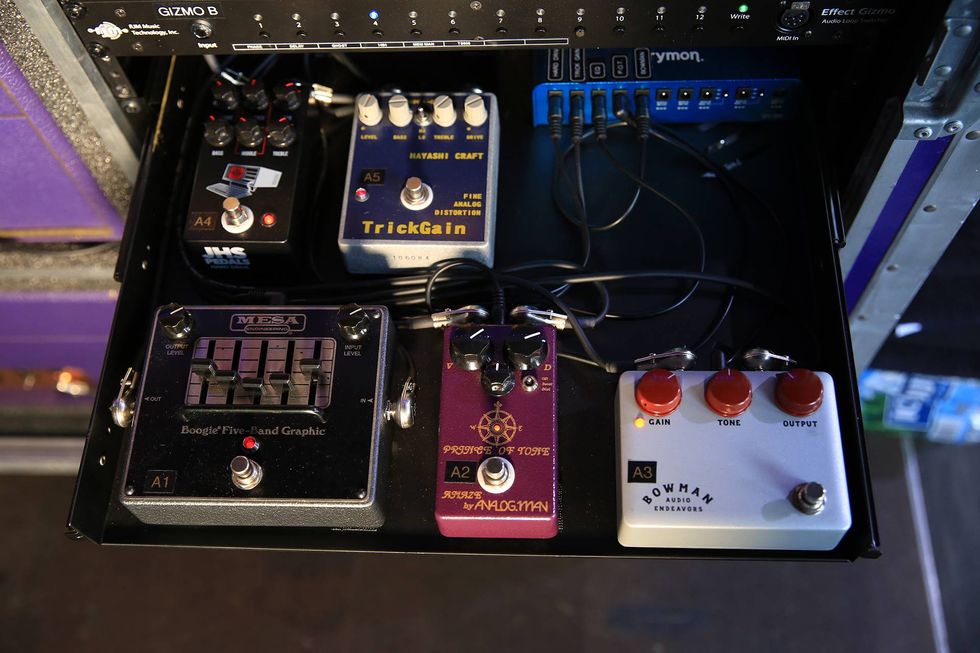
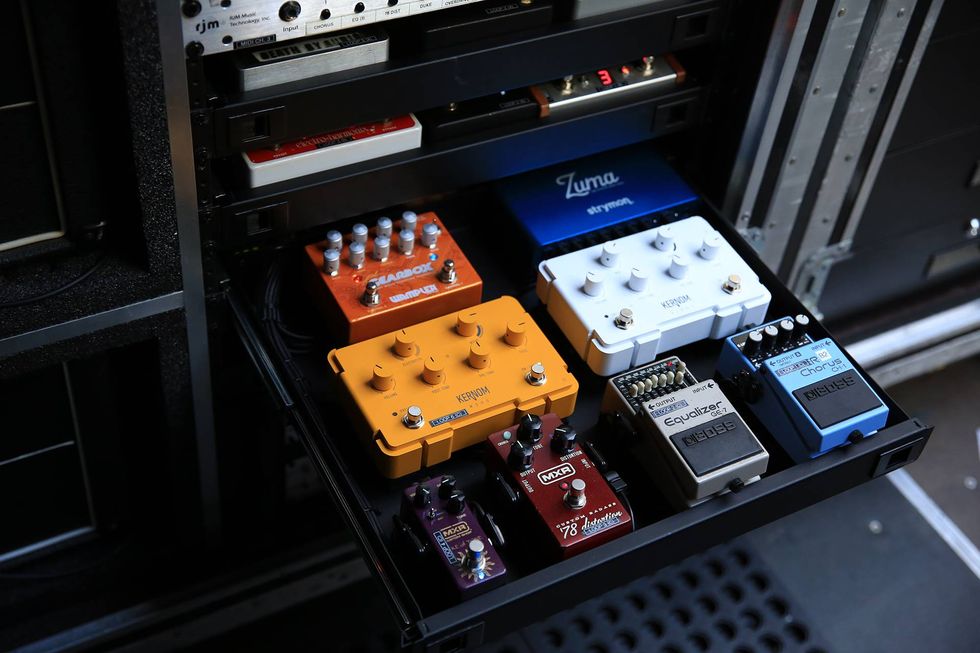
Ray Toro’s Rack
A Shure Axient wireless system sends Toro’s guitar’s signal to this system backstage, where it hits a Radial JX44 and a pair of RJM Effect Gizmos.
One drawer holds an MXR Duke of Tone, MXR Custom Badass ’78 Distortion, Boss GE-7, Boss CH-1, Kernom Moho, Kernom Ridge, and Wampler Gearbox.
In the next are two Boss GE-7s, two Bowman Overdrives, a Death by Audio Fuzz War, a Source Audio EQ2, a Bowman Bellyacher, and a Keeley Compressor Mini.
The third shelf is home to an EHX POG2, 1981 Inventions DRV, Chase Bliss Preamp MK II, Boss TR-2, MXR Carbon Copy, Keeley Loomer, and MXR EVH Phase 90.
A fourth level hosts a Strymon TimeLine, Strymon BigSky, and Source Audio EQ2.
Onstage at his feet, Toro’s pedalboard boasts a TC Electronic PolyTune, a custom RJM Mastermind PBC/6X, Ibanez TS808, Bowman Audio Bowman Overdrive, EHX Micro POG, Boss TR-2, MXR Carbon Copy, and Strymon BigSky. Strymon Zumas keep everything chugging along.
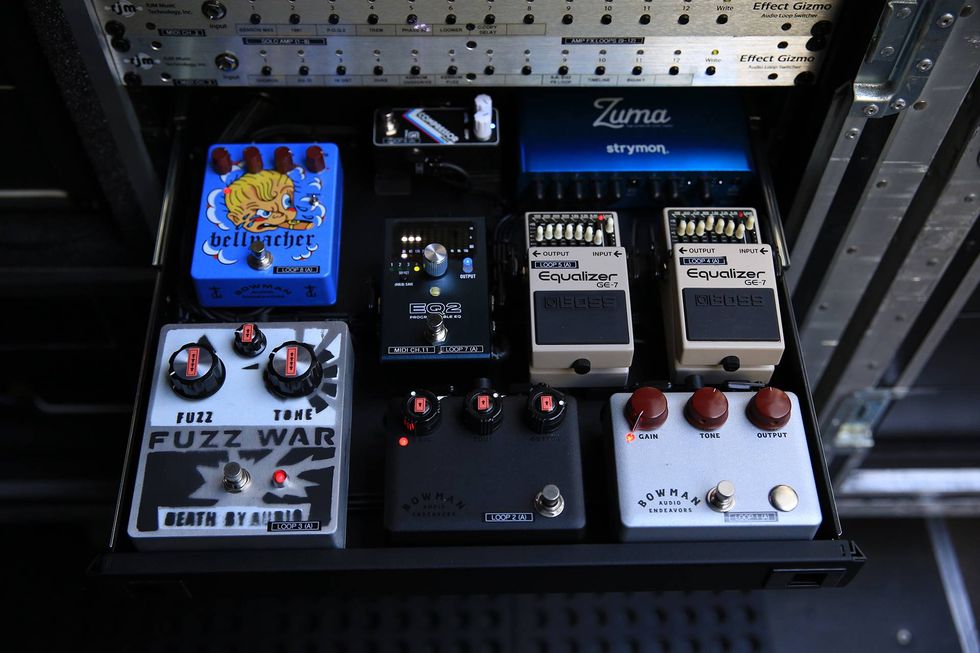
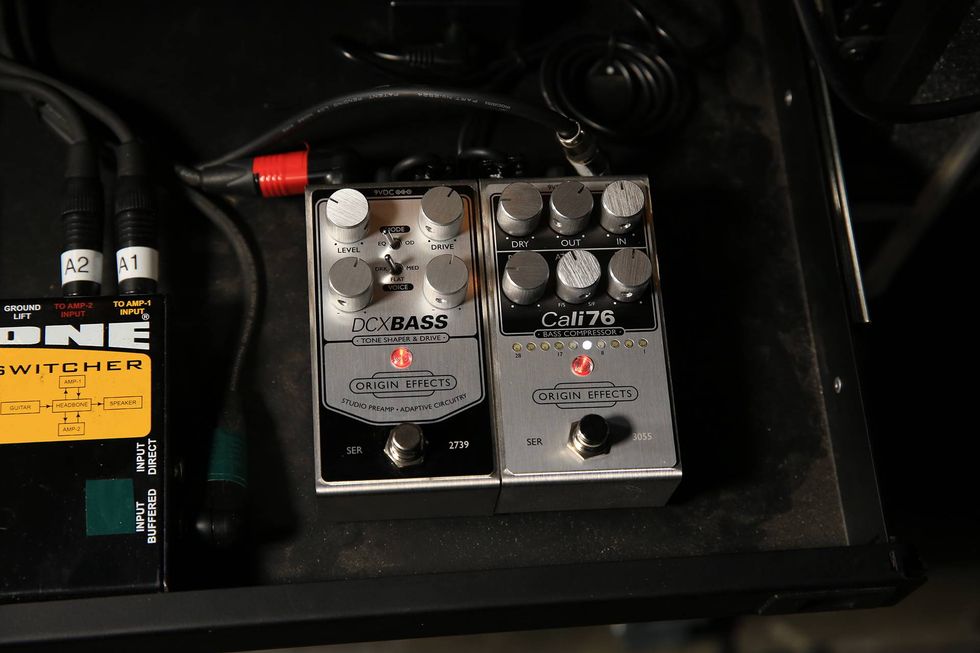
Mikey Way’s Pedals
Way keeps things simple. Along with an Origin Effects DCX Bass and Cali76 set to push his Super Bassman, his setup includes a pair of Aguilar Agros, an MXR Sub Octave Bass Fuzz, and a Malekko B:assmaster.
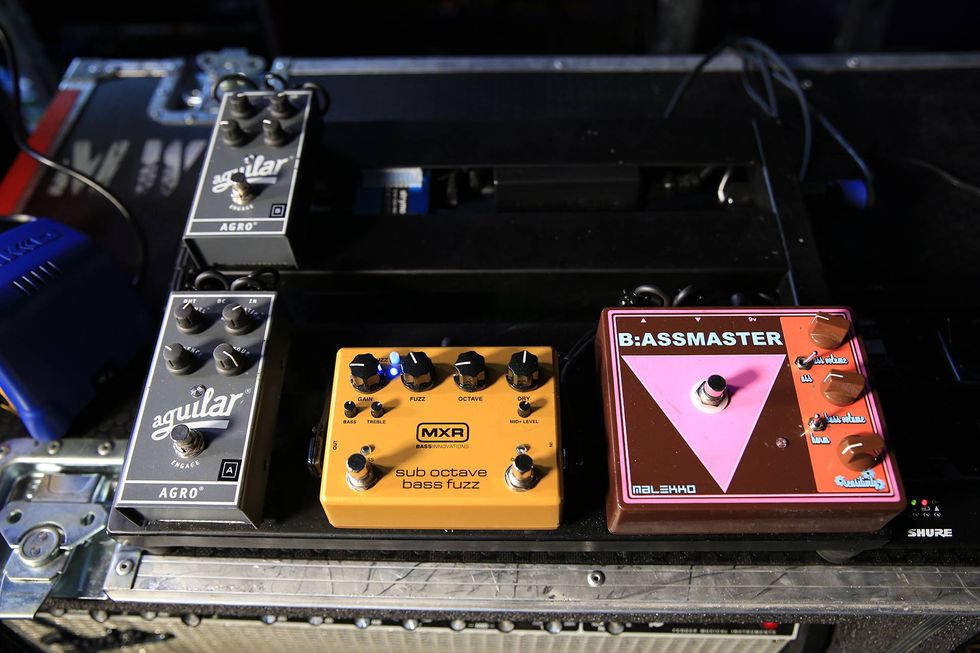
My Morning Jacket
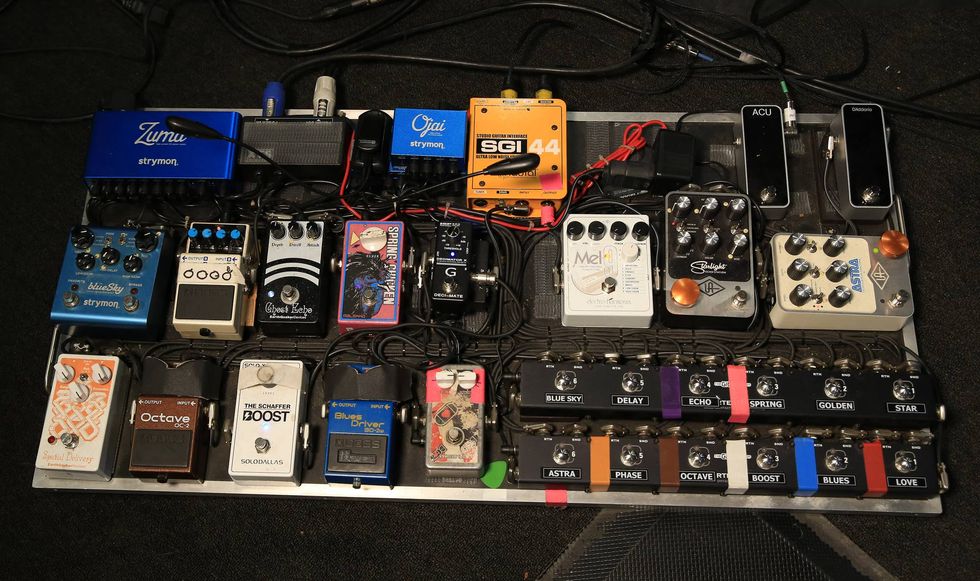
Jim James’ Pedalboard
James’ board is built around a pair of GigRig QuarterMaster switching systems, which lets him navigate the stomps seen here: a Devi Ever US Fuzz, Boss BD-2w, SoloDallas Schaffer Boost, Boss OC-2, EarthQuaker Devices Spatial Delivery, Strymon blueSky, EQD Ghost Echo, Malekko Spring Chicken, ISP Deci-Mate, Electro-Harmonix Mel9, UA Starlight Echo Station, and UA Astra Modulation Machine. A D’Addario Chromatic Pedal Tuner duo keep things on pitch, a Strymon Zuma and Ojai pair handle the power, and a Radial SGI-44 line driver maintains clarity.
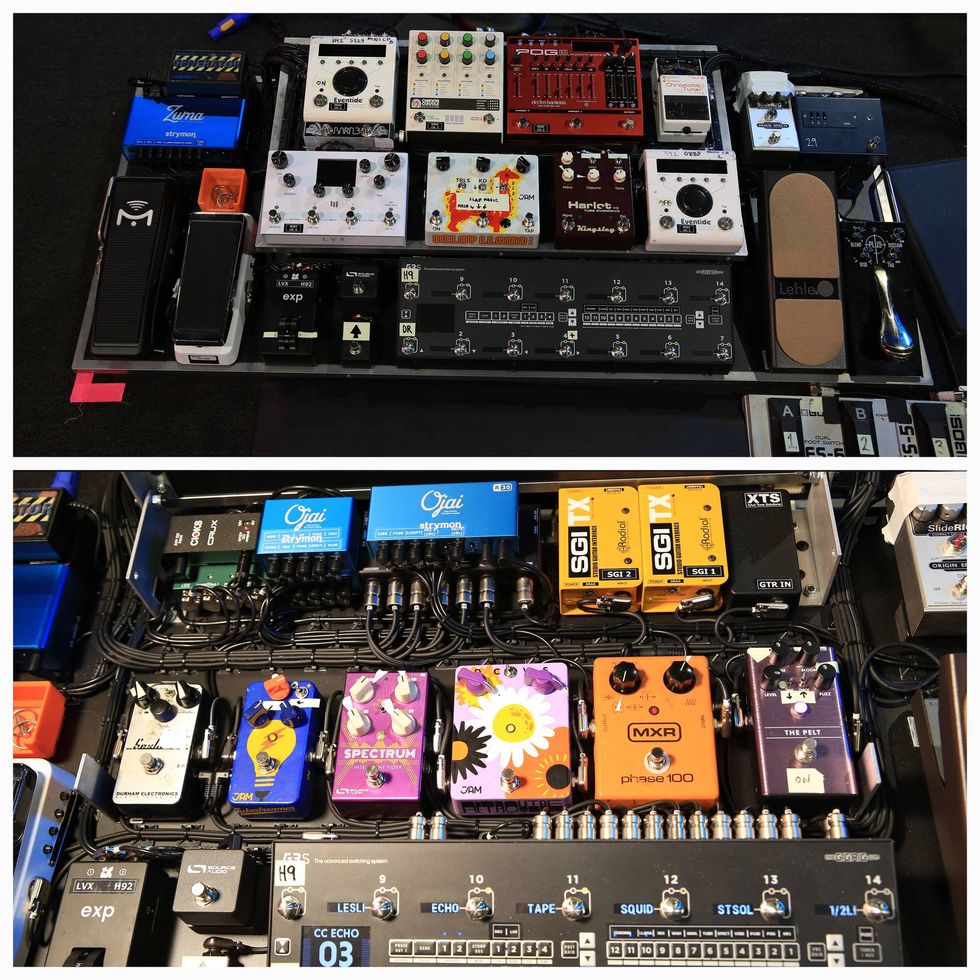
Carl Broemel’s Pedalboard
Broemel commissioned XAct Tone Solutions to build this double-decker board, which depends on a GigRig G3S switching system. From top to bottom (literally), it includes a Boss TU-3, Durham Electronics Sex Drive, JAM Pedals Tubedreamer, Source Audio Spectrum, JAM Retrovibe, MXR Phase 100, Fender The Pelt, Origin Effects SlideRIG, 29 Pedals EUNA, two Eventide H9s, Kingsley Harlot V3, JAM Delay Llama, Merix LVX, Hologram Chroma Console, and EHX POGIII. A wah and Mission Engineering expression pedal sit on the left side, while a Lehle volume pedal and Gamechanger Audio Plus hold down the right edge.
Utility units include two SGI TX interfaces, two Strymon Ojais and a Strymon Zuma, and a Cioks Crux.
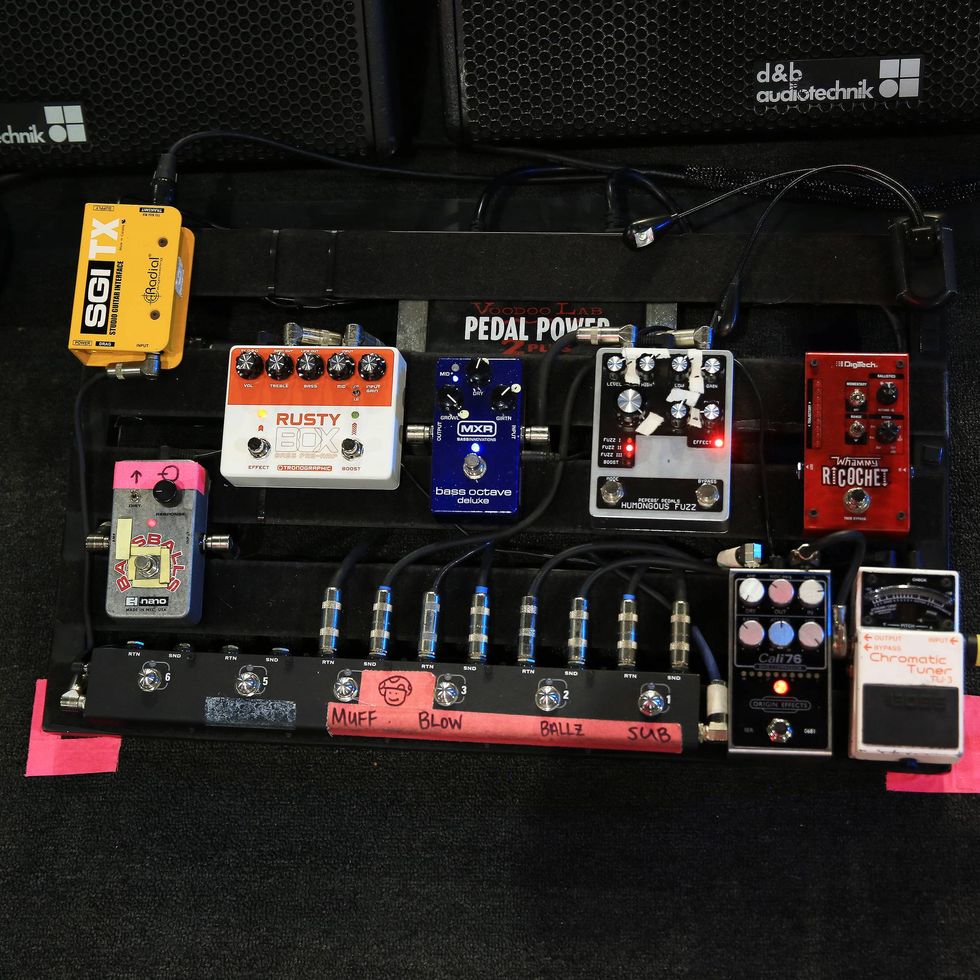
Tom Blankenship’s Pedalboard
Like James, Blankenship uses a GigRig QuarterMaster to jump between his effects. After his Boss TU-3, that includes an Origin Effects Cali76, DigiTech Whammy Ricochet, Pepers’ Pedals Humongous Fuzz, MXR Bass Octave Deluxe, Tronographic Rusty Box, and EHX Bassballs Nano. A Voodoo Labs Pedal Power 2 Plus lights things up, and a Radial SGI TX keeps the signal squeaky clean.
Great Acoustics—The Collings Custom ‘Austin City Limits’ C10

PRS taps Ed Sheeran for limited-edition “Cosmic Splash” signature model – featuring the superstar’s own artwork on its body

PRS has partnered with Ed Sheeran on a new “Cosmic Splash” Limited Edition signature model, adorned with eye-catching artwork by the singer-songwriter superstar himself.
Featuring the exact design from one of Sheeran’s 2025 Cosmic Carpark paintings – a series of artworks he sold last year to raise money for the Ed Sheeran Foundation – the new “Cosmic Splash” model is a limited SE Hollowbody I Piezo Baritone model, with only 1,000 available worldwide.
In terms of specs, the guitar features a PRS/LR Baggs Piezo system, along with 85/15 “S” pickups, as well as a hollow body with a maple top with a ‘Shallow Violin’ carve and flat mahogany back, and a glued-in Wide Fat mahogany neck, 10”-radius rosewood fingerboard and 27.7” baritone scale length. Elsewhere, the guitar sports an adjustable PRS stop-tail bridge and PRS tuners.
 Credit: PRS
But visuals are obviously the key draw of this guitar. In addition to the striking “Cosmic Splash” artwork design, the instrument sports fretboard inlays which are a nod to Sheeran’s Stereo series of albums – Play, Pause, Rewind, Fast-Forward and Stop – the first of which landed last year (2025). The guitar also dons a Play icon on its truss rod cover.
“I started painting as a way to stay creative when I am off the road,” says Sheeran. “I often say ‘keep the faucet running’ when it comes to songwriting – it’s so important to stay in a creative headspace to get to the really good stuff. My hope is that people find this instrument as inspiring as I do. To have my artwork on it as well is such a treat.”
 Credit: PRS
While this isn’t the first collaboration between Ed Sheeran and PRS – they worked together last year on a one-off SE Hollowbody Baritone for the music video for Drive, from the F1: The Movie soundtrack – it is the first PRS x Ed Sheeran model to be available for purchase by the public.
The Limited Edition Ed Sheeran “Cosmic Splash” model is available now, priced at £1,599/$1,599. Each guitar also comes with an 8” x 8” print of the same Cosmic Carpark painting on the guitar’s body, also hand-signed by Ed Sheeran.
Learn more at PRS.
The post PRS taps Ed Sheeran for limited-edition “Cosmic Splash” signature model – featuring the superstar’s own artwork on its body appeared first on Guitar.com | All Things Guitar.
Pages
