
Music is the universal language
“Glory to God in the highest heaven, and on earth peace to those on whom his favor rests.” - Luke 2:14
Norse Guitar Feeds
Rig Rundown: Seth Lee Jones
John Bohlinger drove out to Seth Lee Jones’ home in Tulsa to see the guitars the luthier and slide player builds for himself, plus the barn-find Leslie and the pedalboard behind one of the more distinctive sounds going. Have a look at some quick highlights below, and tune into the new Rig Rundown for all the details.
Brought to you by D’Addario.
Born of a Bad Neck
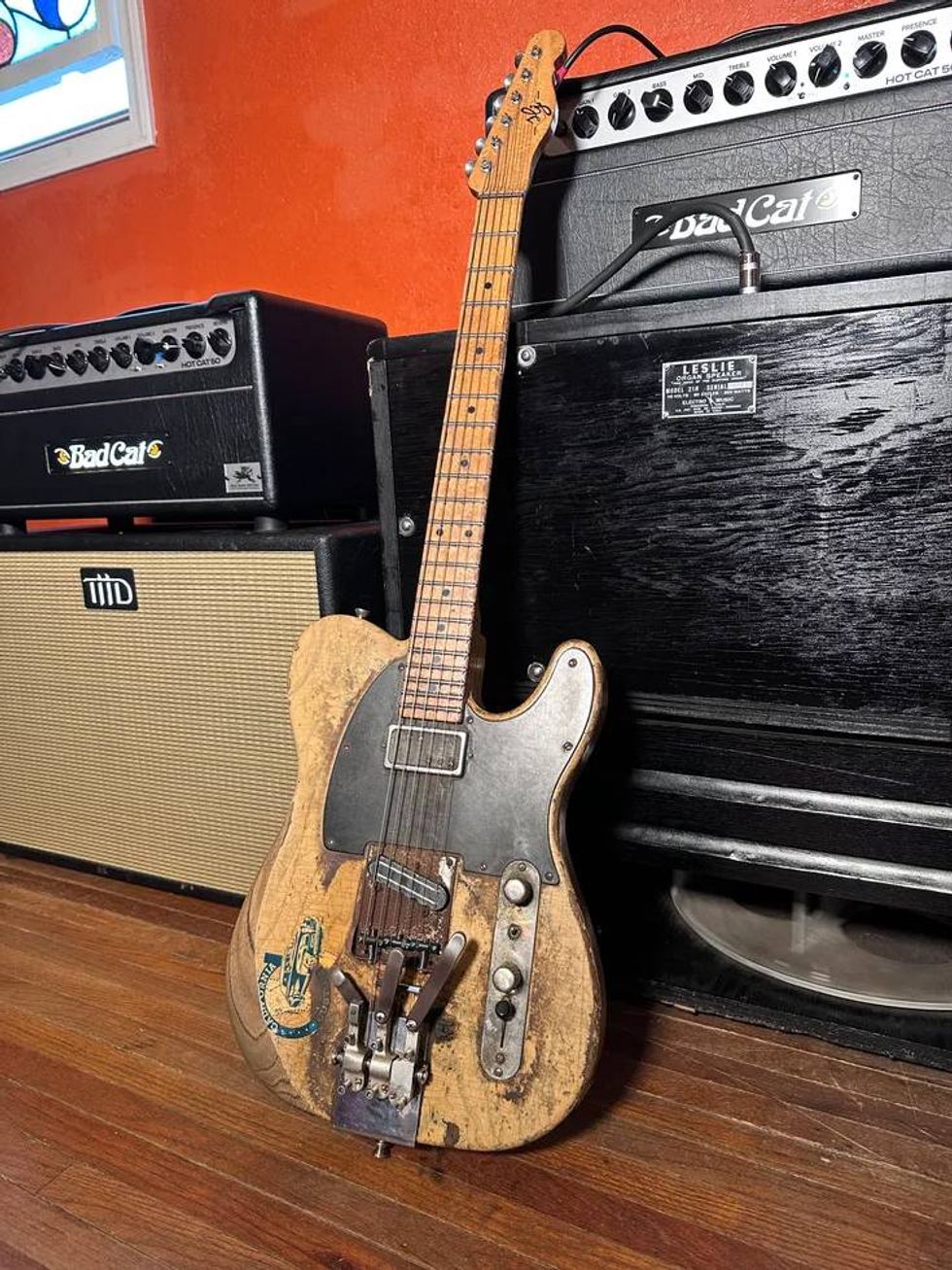
Jones calls this T-style a story based in failure. Fresh out of luthier school, he built a neck that back-bowed past saving, so he made another, strung it with heavy lap steel strings, pushed the levers and heard it go from a I to a IV, “and the light bulb came on.” He carved the body in 2006 with routers, chisels, and gouges—no CNC—and this is the fourth or fifth neck it’s worn.
Sunny Side Up
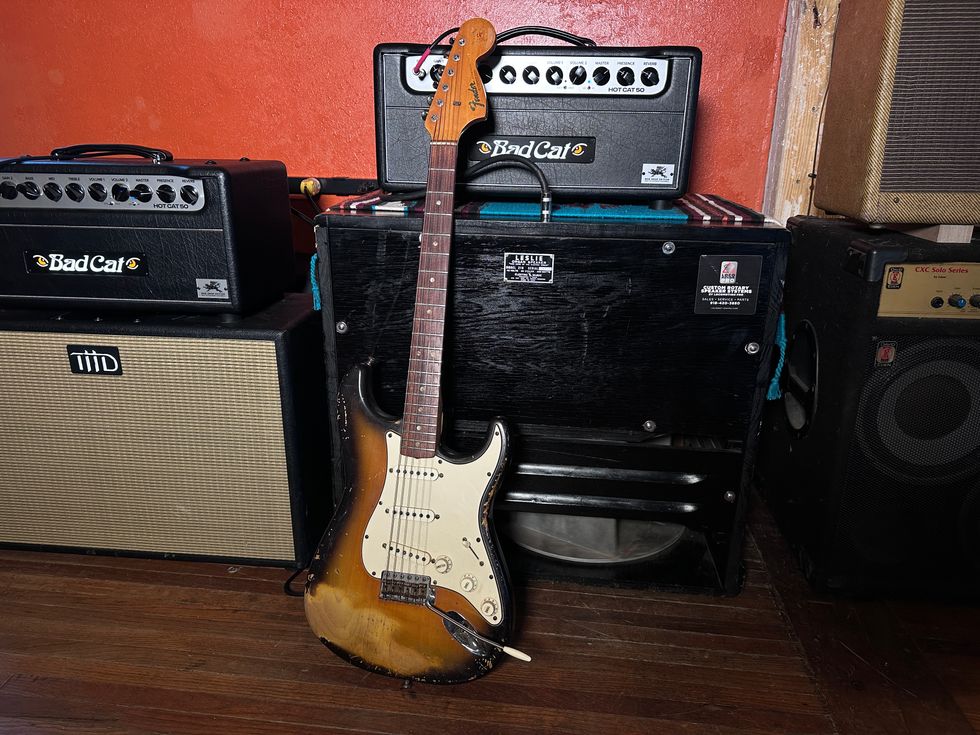
Jones picked up this 1966 Stratocaster, mostly original, from Guitar House of Tulsa last year. It came out of Florida with all the red bleached out of the front of the sunburst and none out of the back. The neck has a reverse taper—thicker at the first fret than at the 12th — which Jones figures is a Friday-afternoon mistake, and loves. He keeps the three-way switch, floats the trem, and tunes it to standard D with a set of .011s.
Seventy-Five-Dollar Question
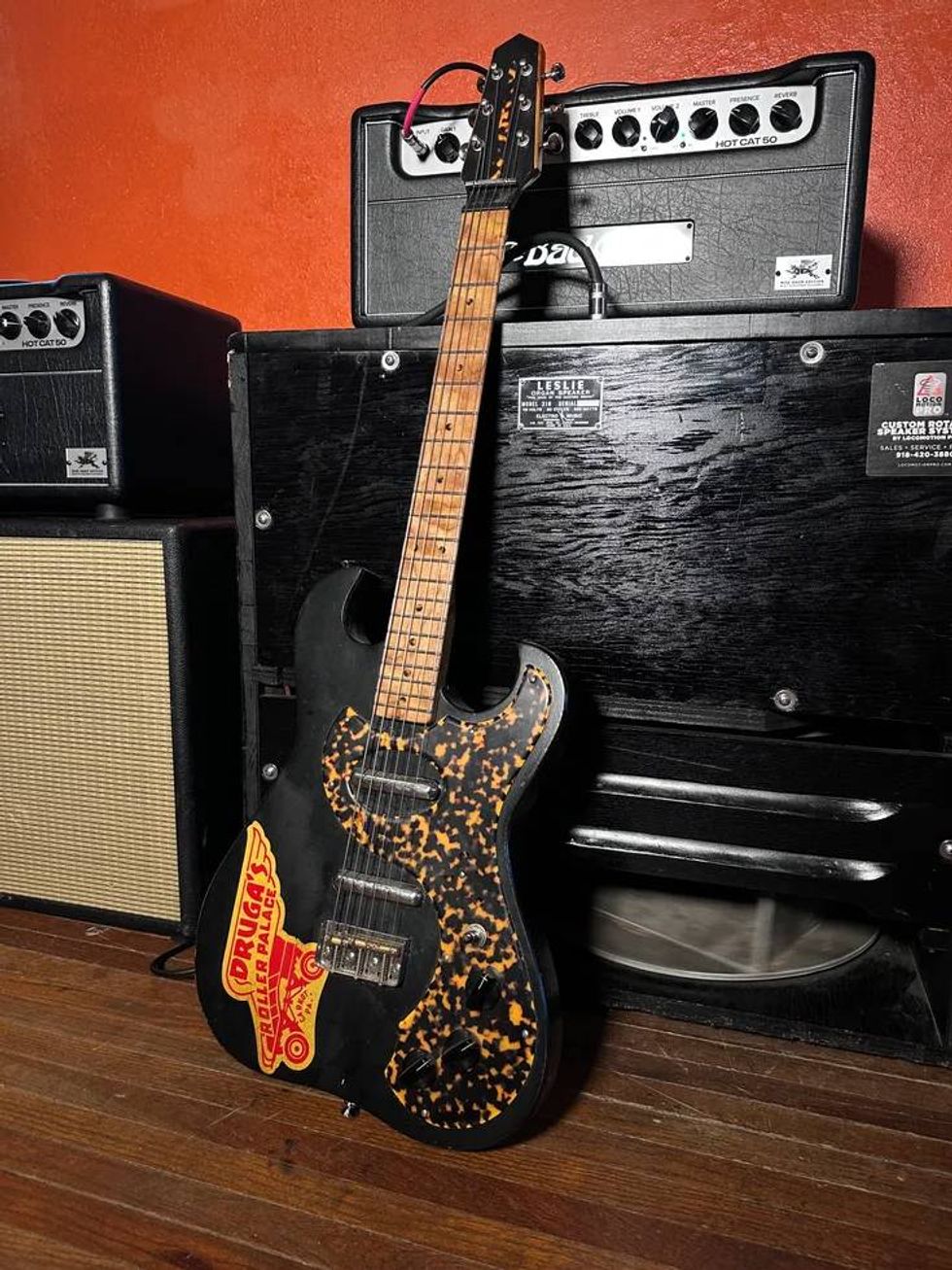
This one arrived at the shop in a trash bag, with its neck whittled to ruin and its Tolex stripped. Jones built a new short-scale cherry neck with a headstock shaped in tribute to Rick Turner, added a guard, oven knobs, and a Tele bridge, and rewired the lipsticks to two volumes and a tone. It’s tuned to C with flatwounds, and nothing else he owns sounds like it.
Cat Pack
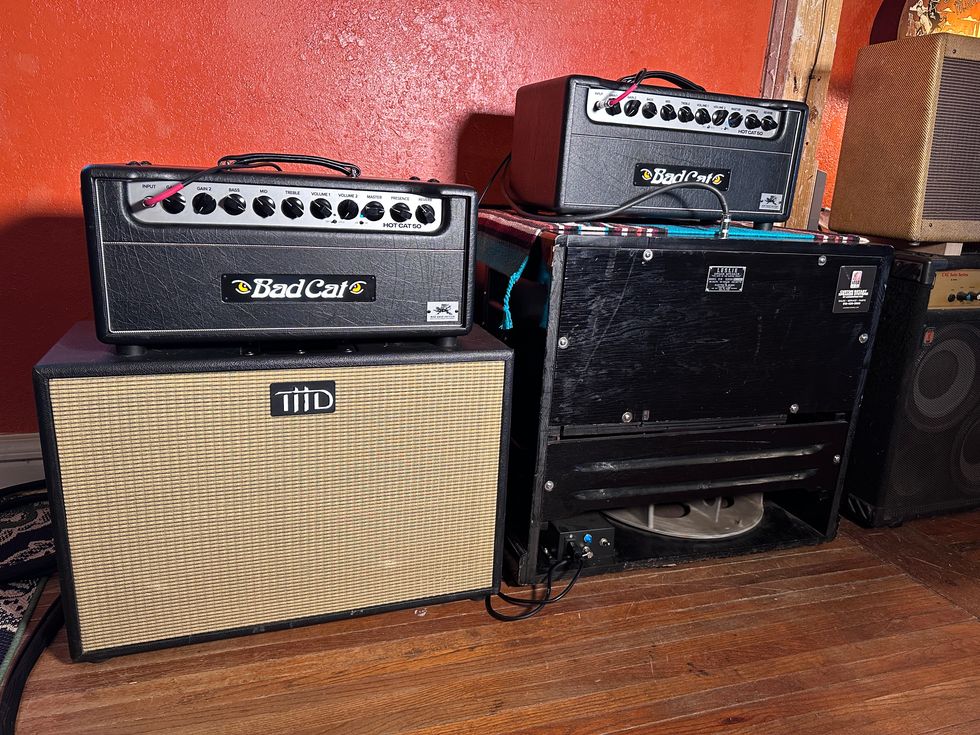
Jones runs a pair of Bad Cat Hot Cat 50s with the master up and the gain low—he’d rather get his dirt off the floor and ride it with his volume. A GigRig Humdinger allows the two amps to work together, and he says it does the job cleaner than anything else he’s tried. One head sits on a THD 2x12", and the other amp feeds a Leslie that Jones built from a 21H that survived a barn fire.
Seth Lee Jones’ Pedalboard
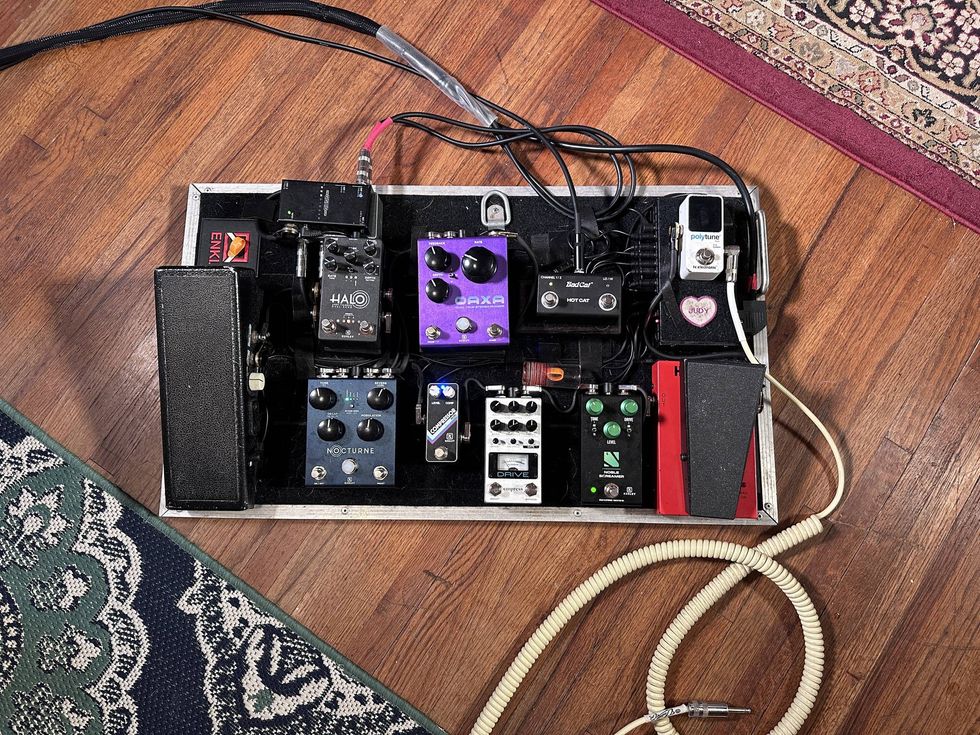
A TC Electronic PolyTune starts things off, into a Morley wah, then a Keeley Noble Screamer, an Empress Drive, and a Keeley Mini Comp — which he runs after the drive, and has been told repeatedly is the wrong way around. From there is a Hilton volume pedal and three Keeleys—a Nocturne, Halo, and Oaxa.
Blackstar Offers Free Moises Integration into Beam products
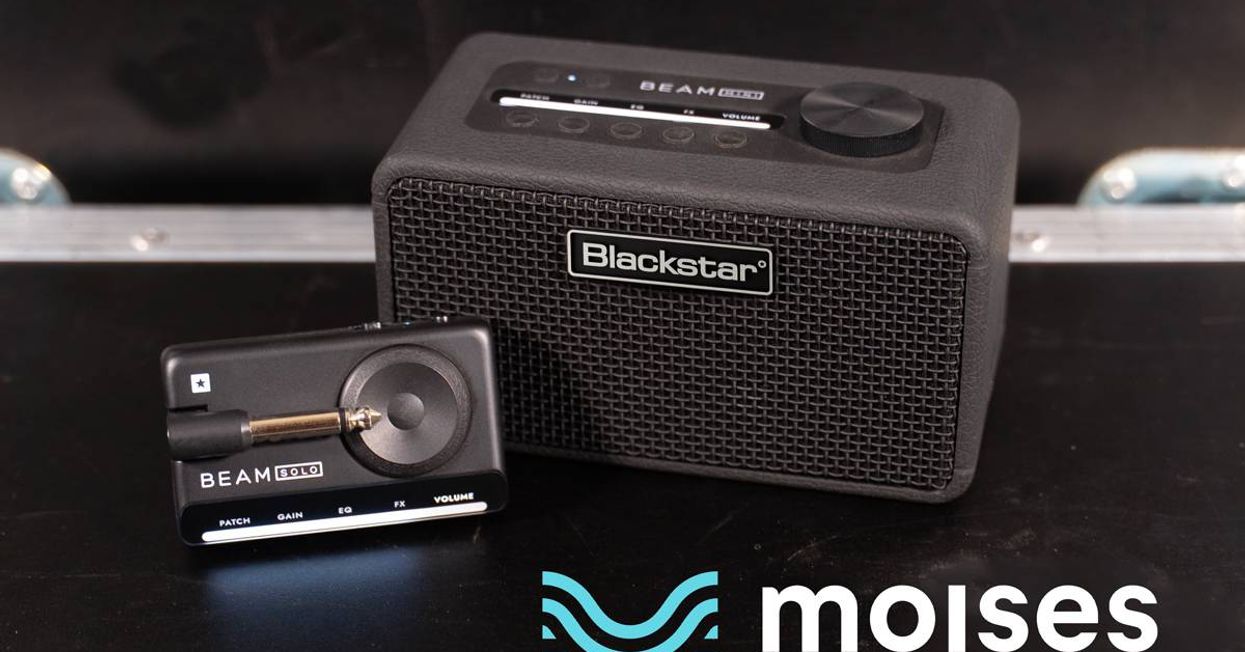
Blackstar has announced a major free update for Beam Solo and Mini on iOS, introducing seamless integration with Moises’ industry-leading real-time stem separation technology.
With this Moises integration, using the Blackstar Beam app you can separate guitars from the rest of the mix from virtually any song streamed or played from your device in real-time.
With simple, intuitive volume controls, you can instantly mute the guitar and step into the shoes of your favourite players, isolate guitar parts to hear every nuance or turn down the vocals and perform the entire song yourself. Whether you’re learning difficult passages, practising with your favourite artists or simply enjoying music in a completely new way, Moises opens up an entirely new playing experience with Beam.
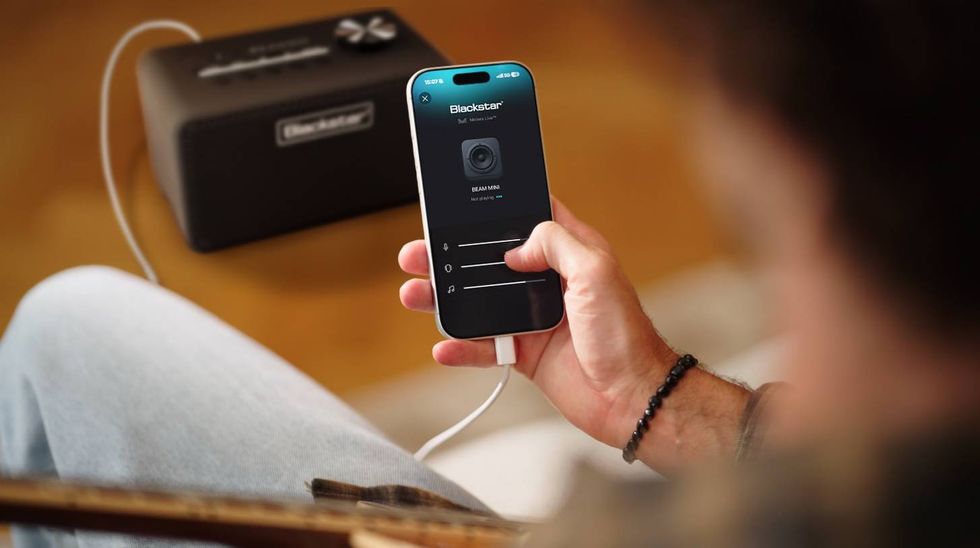
There’s no complicated setup or editing required. Simply connect your Beam, start your music and adjust the mix in real time with a few simple sliders. Professional stem separation has never been this easy.
Android users will receive this free update on the 30th September.
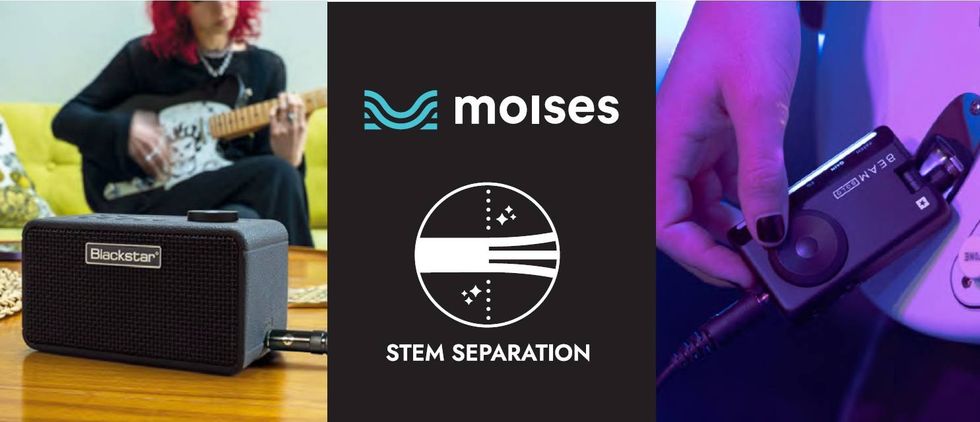
Moises Integration – Key Features:
- Premium stem separation free for all Beam users.
- Compatible with Beam Solo and Beam Mini.
- Works with streamed or stored music - Requires an active music streaming subscription where applicable.
- Instantly isolate or remove guitar parts completely.
- Vocals and the other instruments in the track can be turned down to 25%.
- Perfect for learning songs, practising solos and playing along with your favourite artists.
- Simple real-time control with intuitive volume sliders.
- Available as a free update from 28th August to iOS users.
Available as a free update from 30th September to Android users.
For more information visit www.blackstaramps.com.
Josh Klinghoffer’s Spare Time

For most of his career, Josh Klinghoffer has been the alt-rock wiz kid. His career began as a Los Angeles-area teenager, and his talents caught the attention of Bob Forrest, who enlisted him in his band, the Bicycle Thief. Since then, he’s had stints with the Forrest-led Thelonious Monster, Dot Hacker, and Gnarls Barkley, and toured with Jane’s Addiction, PJ Harvey, and Sparks. Most famously, he was a member of the Red Hot Chili Peppers from 2007 to 2019 (with whom he was inducted into the Rock & Roll Hall of Fame in 2012). Since 2020, Klinghoffer has been a touring member of Pearl Jam, serving as a multi-instrumentalist.
While he’s had a charmed career playing with some of the giants of rock, the 46-year-old has also, for nearly a decade, pursued a solo career under the Pluralone moniker. In that span, Klinghoffer released several albums, EPs, and singles, the most recent of which was 2022’s This Is the Show. A history aficionado, the album touched on historical tensions beginning with World War II through the present day. Also that year, he teamed with Pearl Jam’s Jeff Ament to compose the score for the FX television show Under the Banner of Heaven.

Now, Klinghoffer has released his fourth and newest Pluralone album, A Drop in the Ocean, through his longtime label, Org Music. Produced by Eric Palmquist, the seeds for the sparse, 10-song collection were planted at the end of the This Is the Show sessions. But as he started to sketch out a new album, his “other” jobs called—in particular, Pearl Jam toured on and off, as did its frontman, Eddie Vedder, in whose solo band, the Earthlings, Klinghoffer also plays. Add to that his ongoing session work with superproducer Andrew Watt, and it’s a wonder Klinghoffer had any time to himself (he jokes that he didn’t), let alone time for his own material.
Yet that was only part of the reason A Drop in the Ocean took as long as it did.
“I was recording it during the writing process, which was probably the problem,” Klinghoffer tells Premier Guitar, ahead of a private show in New York with Watt, Red Hot Chili Peppers drummer Chad Smith, and others. “I wasn’t fully done writing some of the songs. While I was trying to build these recordings, half of me was thinking that they were only demos, and then I grew to like them.”
“I’m always trying to simplify and put less on.”
Working at what he calls a “relaxed” pace, Klinghoffer began recording A Drop in the Ocean in earnest last May and had it finished by October. Like its predecessor, the new album carries a thematic thread: The cover art—a trash can and trash bags—nods to the waste we dump into the ocean. For Klinghoffer, though, the symbolism extends to music.
“Lots and lots of music gets dumped into the world,” he says. “Lots of art gets dumped into the world, and it’s an enormous ocean, it’s an enormous sea of stuff.”
Josh Klinghoffer’s Gear
Guitars
1946 Martin 00-17
Vintage koa Martin
1959 Fender Stratocaster
1960 Fender Stratocaster
Pedals
Boss TB-2W Tone Bender
Boss JB-2 Angry Driver
Boss DM-2 Delay
Boss VB-2 Vibrato
Boss CE-2 Chorus
Boss DD-3 Digital Delay
Boss DD-6 Digital Delay
Ibanez WH10 Wah
Klon Centaur
Robot Pedal Co. MS-20 Brain Freeze
Origin Effects Cali76
JHS 424 Gain Stage
Red Panda Context
Red Panda Particle
Red Panda Tensor
Pianos & Synthesizers
Steinway upright piano
Therevox ET-5 analog synth
Roland Juno 106 polyphonic synth
Korg MS-20 analog monophonic synth

The album’s spare aesthetic came from an unlikely source: Tony Allen. When the Nigerian drummer died in 2020, Klinghoffer posted an Instagram cover of “Poison,” a song by Rocket Juice & the Moon—the trio of Allen, Damon Albarn, and Klinghoffer’s former Chili Peppers bandmate Flea. The response to the sparseness of his version pushed him toward that sound, even if it didn’t fully manifest until A Drop in the Ocean.
“I needed that suggestion,” he says. “I’m always trying to simplify and put less on, and double my voice less. It’s what I’m interested in listening to these days, just smaller stuff, less production.”
“Lots of art gets dumped into the world, and it’s an enormous ocean.”
In 2024, Klinghoffer dipped his toes into producing when he helmed Redd Kross’ first full-length in five years. The well-received effort, which featured Klinghoffer on drums, taught him several lessons that informed A Drop in the Ocean—mainly, getting out of his own head and thinking about what a listener can actually latch onto.
“With Redd Kross, I had an easy job as the producer because they had done all the writing, and I didn’t have to make a single adjustment to the songs,” he says. “For me, it was just a matter of making sure they had the best time and were as satisfied and happy with the result as they could be. When I was doing it for myself, I included things that allowed for most people to connect to it.”

Calling himself “not much of a professional hustler,” Klinghoffer says he enjoyed producing for friends but doesn’t see himself doing it for artists outside his orbit. When Andrew Watt calls, though, he’s always game. Recently, Watt brought him in on new songs for Yungblud and tracks for singer Charlotte Lawrence. Working with Watt, he says, is “always a lesson”—in this case, staying open to new ideas and not clinging to a conviction when it’s clear it isn't moving things forward.
Klinghoffer has no plans to tour in support of A Drop in the Ocean, which he sees as a blessing. He has a few projects on the horizon—a potential follow-up to the Redd Kross album, and music from 2023 and 2024 that he’s finishing with Eric Palmquist—but is otherwise taking things slowly. It’s a career path he keeps in perspective.
“I get to work with people that are, for the most part, really open and supportive,” Klinghoffer says. “I’ve been lucky throughout my whole journey.”
Blackstar’s BEAM just became an even more useful practise tool with this major free update

Blackstar has confirmed their Beam Solo app will receive a huge, free overhaul on iOS and Android. While the update is available on iOS from August 28, Android users will need to wait until September 30 to get their hands on the new tools.
We were hugely impressed with the Beam Mini when we reviewed it earlier this year, and as part of that review we got a sneak peek at how impressive the Moises tech can be. Said tools offer stem separation technology, meaning app users can separate the guitars from the rest of the mix for almost any song streamed or played from your device in real time.
READ MORE: Blackstar Beam Mini review: “a new benchmark for practice amps”
Those using the app can now instantly mute the guitar and isolate the guitar parts for easier fret learning. You can also turn down the vocals and perform the song yourself with this new app update.
All those using the app need to do is connect to your Beam Mini or Beam Solo, start playing their music and adjust the mix with the slider options available in real time.
Several features are included as part of the Mosies Integration update. This includes premium stem separation free for all Beam users, as well as the ability to turn down other instruments and vocals by 25% in order to better hear the guitar part you’re trying to nail.
The really impressive thing is that this is compatible not just with the Beam Mini practise amp, but also with the tiny Beam Solo headphone amp, and the update has already rolled out on iOS devices, with Android following at the end of the month.
Find out more about the new update from Blackstar.
The post Blackstar’s BEAM just became an even more useful practise tool with this major free update appeared first on Guitar.com | All Things Guitar.
Jimmy Page recalls the life-changing guitar gift Jeff Beck gave him: “This is for yours for getting me in the Yardbirds”

Long before he was in Led Zeppelin, Jimmy Page was a young upstart session guitarist in London, mixing with an all-star cast of future guitar legends. And in a new documentary about the Fender Telecaster, Page reveals the time he received an incredible gift from Jeff Beck that would alter his entire guitar trajectory.
- READ MORE: Fender Telecaster: 75 Years Of History
In the Fender-produced documentary, The Fender Telecaster: The One That Started It All, Page reveals that as a very young man making his way in the London session scene, Eric Clapton had recommended Page his guitar replacement in The Yardbirds in 1965, when Slowhand left to join John Mayall’s Bluesbreakers.
Page, who was barely 21 at the time, decided to turn the offer down, instead suggesting his friend at the time, Beck, as an alternative. The rest as they say, is history. The Yardbirds would be transformed with Beck on guitar, pushing them into groundbreaking new musical territory, and enjoying major label success and multiple chart hits over the following year.
The Yardbirds made Beck a star, and he wouldn’t soon forget the part Page had played in his success, and on the back of The Yardbirds signing their major label record deal, he paid his friend a visit.
According to Page, the guitar legend rolled up in a newly bought 1963 Corvette Stingray with the guitar in hand. He recalled: “I was still living with my parents at the time in Epsom. And I heard this car come roaring up.
“I looked out the window and I saw this blue Stingray outside… and Jeff’s coming out and he’s holding this guitar. [I thought] ‘Oh, he’s come to have a play.’
“He knocked on the door and explained that [the Yardbirds] had just done a new deal and he bought the Stingray with it. Then he said, ‘Here, this is yours’ and gave me his 1959 Telecaster. He said, ‘This is yours for getting me in the Yardbirds.’ Well, obviously, I was really moved, you know, because there was a lot of love in that gesture of giving it to me.”
Beck had used the Telecaster in his early days as guitarist in the Deltones – he borrowed it from bandmate John Owen, who soon asked for it back, and Beck moved on to find his legendary 1954 Esquire as his number one. It’s unclear exactly how the guitar ended up back in Beck’s possession full-time, but by the time he joined The Yardbirds it would be a regular backup and alternative to the Esquire.
Before long however, Beck’s guitar preferences evolved and he moved on to his Les Paul, leaving the ’59 Tele in need of a good home, and given how hard it was to get Fender guitars in the UK in the 50s and 60s it was obviously the perfect gift for a young guitar player.
Page would use the guitar throughout his stint in The Yardbirds, before the guitar would have an even more important part to play in the history of rock ‘n’ roll. When Page formed The New Yardbirds with John Paul Jones, John Bonham and Robert Plant in the wake of the original band dissolving in 1968.
By that point, the guitar had changed dramatically from its original form, with Page stripping and painting it with an artwork all of its own. “I painted it in one go over the course of an evening, finishing it the next day,” Page later explained. “The pattern took on the imagery of a dragon. I was quite happy with the way it ended up. Now it was the ‘Dragoncaster.’
The guitar would become a staple of the early recordings of his new band, who quickly changed their name from The New Yardbirds to Led Zeppelin. “I played it on the last Yardbirds recordings at the Anderson Theater in New York and on Led Zeppelin,” Page explains. “Once it was created and painted it became like the legendary Excalibur as it traveled from the Yardbirds to Led Zeppelin.”
And without Beck’s bit of generosity, things could have turned out very differently.
Watch The Fender Telecaster: The One That Started It All now on Fender’s YouTube channel.
The post Jimmy Page recalls the life-changing guitar gift Jeff Beck gave him: “This is for yours for getting me in the Yardbirds” appeared first on Guitar.com | All Things Guitar.
Ask the Expert: Why Do Acoustic Guitar Bodies Taper from Heel to Tail?

Why Eric Clapton never wanted his Unplugged album to be released, and bet his label boss $100 it was going to be a flop

The impact of Eric Clapton‘s Unplugged is hard to overstate. The recording of Slowhand’s legendary MTV set has sold over 25 million copies, and over 30 years after its release in 1992 remains the best-selling live album of all time. Quite asides from the sheer numbers, Unplugged is credited with revitalising mainstream interest in acoustic guitar music, and no less than Chris Martin IV himself once claimed the album “saved the Martin guitar” – and revitalised interest in 000-style instruments. However, the most remarkable thing of all might be that Clapton himself never even wanted to release it.
In a new interview with Guitar Center, Clapton admits that he outright “didn’t want” Unplugged to be released. He was so certain that it would flop that he even bet on its downfall. “There’s 100-dollar bill on the wall of [ex-Warner Brothers president] Lenny Waronker’s office that he won from me, because I said ‘I bet you $100 it won’t even go into the top 50,’” he reveals.
Thankfully, Waronker put his foot down, because he believed that Unplugged had the makings of a “hit album”. Of course, he was right; the former president of Warner Brothers had an ear for a hit. But Clapton had tried his hardest to resist a formal release. “I wanted to do a deal with them… to put it out as a limited edition,” he says. “Just 500 copies or something. I just didn’t want to hear it anymore… I had a real aversion to it for a long time.”
Despite his initial “aversion”, Clapton’s Unplugged has become a key part of his history. “That’s the Clapton that people know,” he admits. “People didn’t really a lot of what I was doing before that – the music was either far too underground or too poppy. I [recently] thought, ‘Okay, I have to listen to [Unplugged] again.’”
When Chris Martin IV’s praise for Clapton’s Unplugged is revealed, Doyle explains that the CEO has crowned Clapton as a saviour of the Martin Guitar. Clapton is unwilling to accept the praise outright, instead focusing on how wild it is to go from admiring Martin guitars through shop windows to having his own signature axes with them.
“When I was a kid… I saw a Martin Dreadnought [in Kingston Market],” he remembers. “There was a crowd gathered round this guitar case, and they opened the lid, and there was a Dreadnought in there… I thought, ‘Wow! One one day, I’m going to have one of those… that’s the most beautiful shape… Picasso could have done that!’”
Now, Clapton’s latest signatures in the Crossroads 2026 Marin Collection will surely be admired by budding guitarists through shop windows. Alongside some John Mayer models, Clapton has the Martin 000-42 EC and Martin 000-13E EC, with both six-string acoustic-electrics wearing Clapton’s favoured 000 shape.
The Crossroads 2026 Collection also recreates Clapton’s Blind Faith Telecaster. With just 130 in existence, the Tele has the unique Frankensteinian mish-mash of a sunburst single-cut body and a Stratocaster neck.
For more information on the Crossroads 2026 Martin Collection, head to Guitar Center.
The post Why Eric Clapton never wanted his Unplugged album to be released, and bet his label boss $100 it was going to be a flop appeared first on Guitar.com | All Things Guitar.
Keeley Releases Tube Drive
Power Amp For Modern Guitar Modellers
World's Largest Library Of Guitar Tone - Free
Win an EHX Pico Atomic Cluster
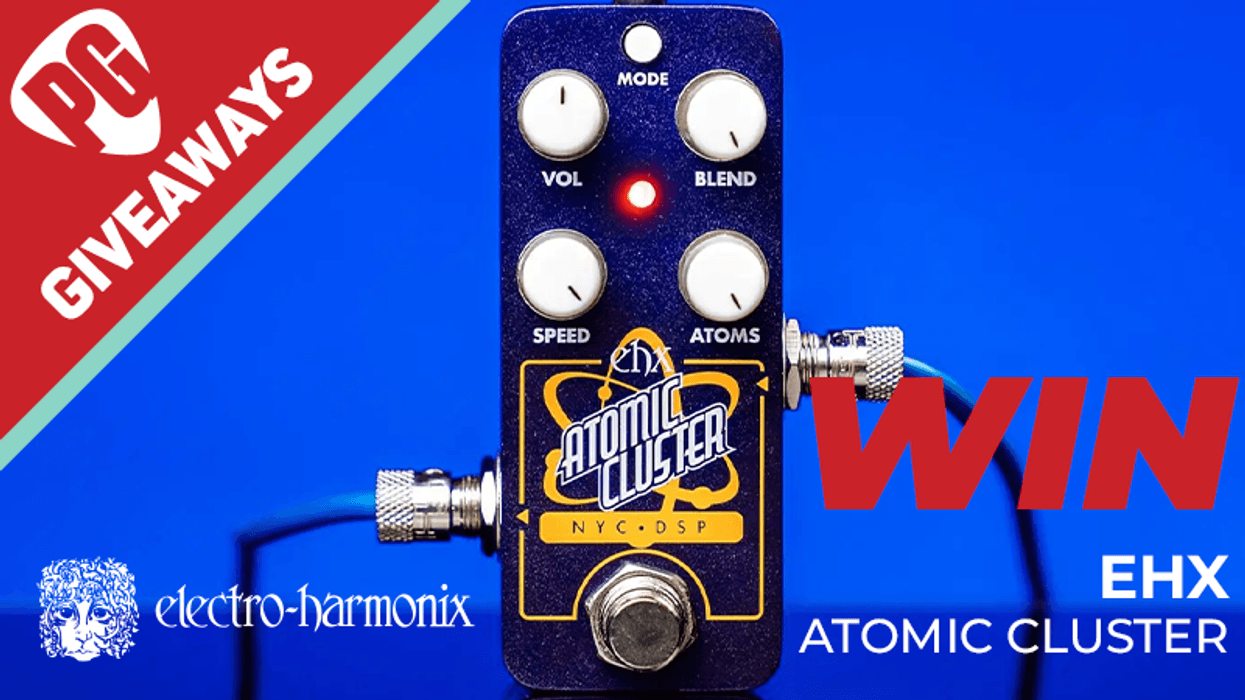
Electro-Harmonix's newest Pico pedal breaks your signal down to its atomic level: glitchy lo-fi textures, ambient synth pads, and everything in between. We've teamed up with EHX to give one away. Enter below.
EHX Pico Atomic Cluster Giveaway
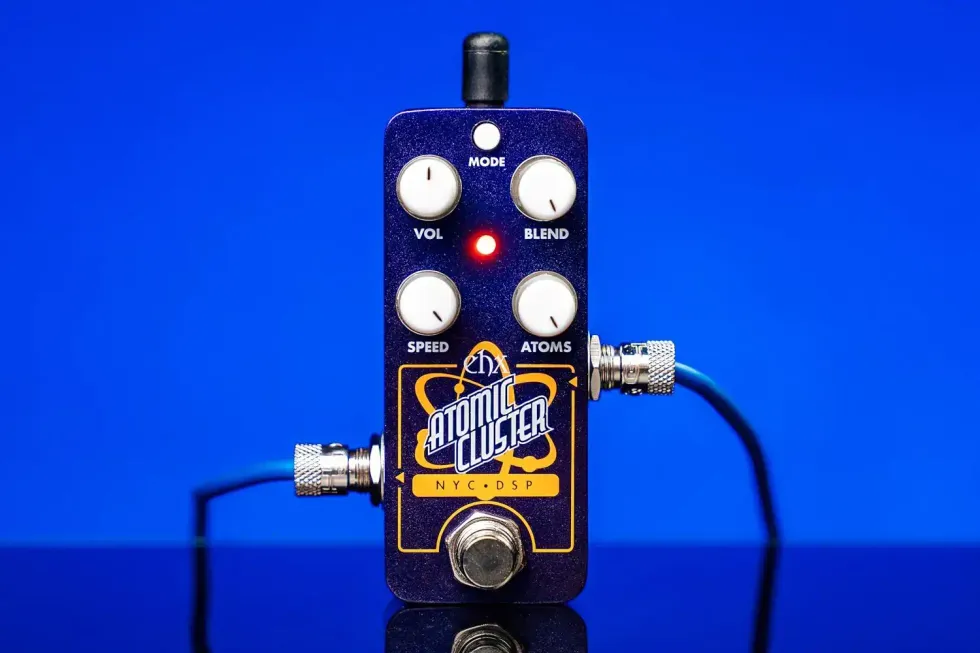
Pico Atomic Cluster
Deconstruct your tone to an atomic level with the Atomic Cluster Spectral Decomposer. Unlike any effect Electro-Harmonix has made before, this compact glitch and synth pedal breaks down your signal and interpolates it into a variety of musical and whimsical sounds. Using a unique algorithm to reduce the frequency resolution of your instrument, it creates a wide range of unique effects from rhythmic lo-fi glitch and auto-arpeggio tones to ambient synth pads and more!
Fender Unveils John Osborne Signature Telecaster Pickup Set
Fender has introduced the John Osborne Signature Telecaster pickup set. Designed to replicate the tone behind Osborne’s signature sound, these custom Telecaster® pickups are specially designed to deliver enhanced clarity and punch, perfectly balanced to cut through the mix with sparkling highs, focused mids, and tight bass response. The open-coil neck pickup adds an extra touch of high-end sparkle, while Alnico 5 beveled magnets and Formvar magnet wire bring added focus, dynamics and brightness.
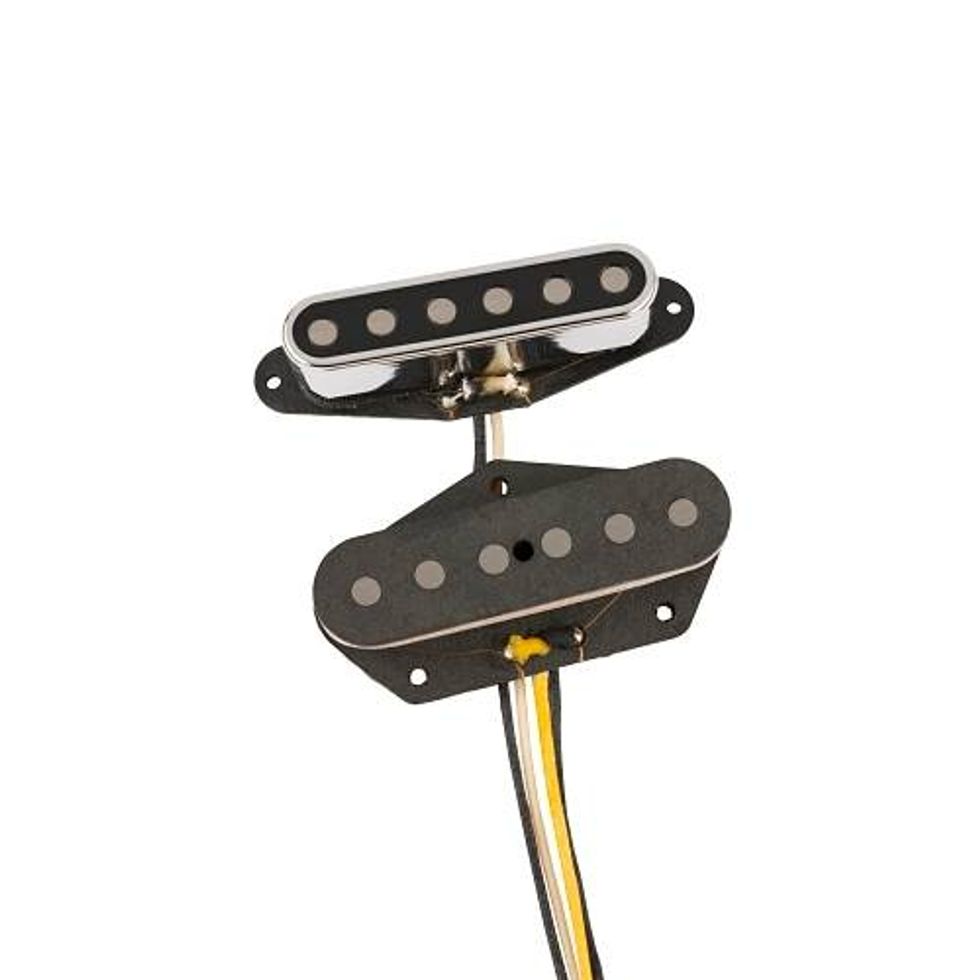
Built with vintage-inspired details including flush-mount polepieces, period-correct cloth wire and fiber bobbin construction, the pickups blend classic Tele character with Osborne’s modern, hard-driving voice.
Key features include:
- Alnico 5 beveled magnets add more focus and enhanced dynamics
- Formvar coated magnet wire for brighter tone with enhanced high-frequency response
- Flush-mount polepieces create vintage-style string-to-string blending
- Wax potted to resist feedback and protect internal wiring
- Period-correct cloth wire and fiber bobbin construction
- Installation hardware included
- Bobbin Material: Fiber
- DC Resistance: Neck: 6.26k, Bridge: 8.2k
- Inductance: Neck: 2.58H, Bridge: 4.6H
- Lead Wire: Cloth-covered
The John Osborne Signature Telecaster pickup set carries a street price of $149.99 . For more information visit Fender.com.
John Osborne Signature Telecaster Pickup Set
September 1, 2026 – Fender has introduced the John Osborne Signature Telecaster pickup set. Designed to replicate the tone behind Osborne’s signature sound, these custom Telecaster® pickups are specially designed to deliver enhanced clarity and punch, perfectly balanced to cut through the mix with sparkling highs, focused mids, and tight bass response. The open-coil neck pickup adds an extra touch of high-end sparkle, while Alnico 5 beveled magnets and Formvar magnet wire bring added focus, dynamics and brightness.
Guitars Currently Available has been Updated!
I updated my Guitars Currently Available page!
I added "Violante", guitar #50 to the list which will be available later this year! I will post updates on this guitar as I finish it!

The Lorenzo Frignani #221 guitar is now listed on Reverb!

Guitar #50, "Violante", Has a New Top!


The back and sides are gorgeous, they are Santos rosewood!


Walrus Audio Highpoint Review
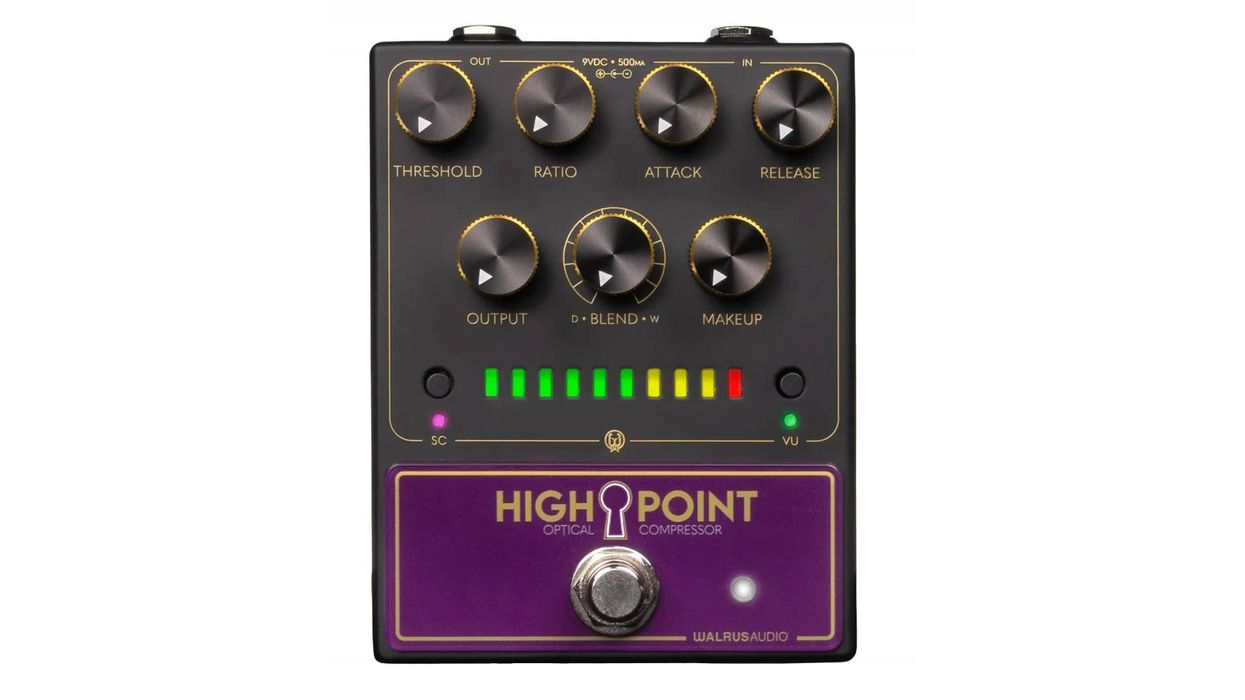
For some players, compression, and compression pedals, are exciting at a level just above a tuner or volume pedal—essential in some cases, but not the kind of thing that gets the blood pumping. For others, compression is an essential facet of their sound, perhaps even the core of it. For these players, the differences between compressors are meaningful and consequential, and separate a true creative device from a joyless, utilitarian tool. Walrus Audio’s Highpoint is more likely to appeal to players who see the painterly possibilities in a compressor. As an optical comp, it offers the smooth, fuzzy, non-linear glow that makes a good opto sound less sterile and bossy than a voltage controlled or FET compressor. It also has a control set that can get surgical. The $349 price reflects the pedal’s power and flexibility, and signals that this isn’t one for compression casuals. But while committed comp nuts might find the most to love here, less experienced users might be very surprised and impressed by what an asset the Highpoint can be.
Light and Sound Sensations
Advanced students of the compression arts can skip ahead here, but for those among you who are new to optical compression, a brief primer: In an optical compressor, changes in gain are communicated through the circuit via a light source and a photoresistor that reads that source’s energy. Photoresistors (which effectively define a compressor’s release characteristics) possess an inherent signal-processing lag—not enough to constitute a pronounced delay, but enough to color the edges of output with a warmish aura and, at the right settings, lend extra dimensionality that other compressors can rob from the signal. (Another famous effect, the Uni-Vibe, also uses an opto-circuit to achieve its warm, round, and chewy qualities.)
As you scan the range of the Highpoint’s seven controls, you have to work to bury the basic warmth in its compression. The Highpoint is a toasty glow additive, even at compression levels that you’d categorize as super squished. I love the effect of super-compressed guitars in certain arrangements and mixing situations, and use compression as a transformative tool as often as I use it as subtle tone sweetener. So, my standards for what constitutes tone suck may differ from those of a hardcore tone naturalist. Still, I found that the Highpoint obliterates a guitar’s voice at only the wettest, lowest-threshold positions. At just about every other combination of controls you tend to hear your guitar’s tone, and the characteristics of upstream effects, loud and clear.
Quality Control
The Highpoint’s knack for keeping an instrument’s essence intact makes using its very interactive, rangeful, sensitive controls extra satisfying. The wet/dry control opens up the possibility of using dramatically compressed tones as subtle shading. But all-wet settings can still generate a wide range of coloration, and shaping those colors in specific ways feels fast and intuitive—a sense enhanced by the smooth, gentle taper of the knobs themselves. This makes the Highpoint very forgiving. I never got the sense that I would get lost—or be unable to get back to where I started—if I wanted to make radical adjustments in the heat of a performance. But this intuitiveness pays double the dividends when crafting song arrangements and mixes. Easing a specific tone and dynamic profile back from an extreme place to a mellower one in small increments always felt effortless, and that means you can close the gap between a sound you imagine and the one you hear with confidence.
The Verdict
Compression is often regarded as an effect that diminishes the sense of touch. But the Walrus Highpoint seems designed to prioritize feel—not just in the way it can seamlessly span subtle and super-compressed tones, but in how easy it is to explore the realms between those extremes. It’s versatile and multi-dimensional, and it’s also fun—an adjective that even devout compressor users would be reluctant to use to describe their favorite comp.
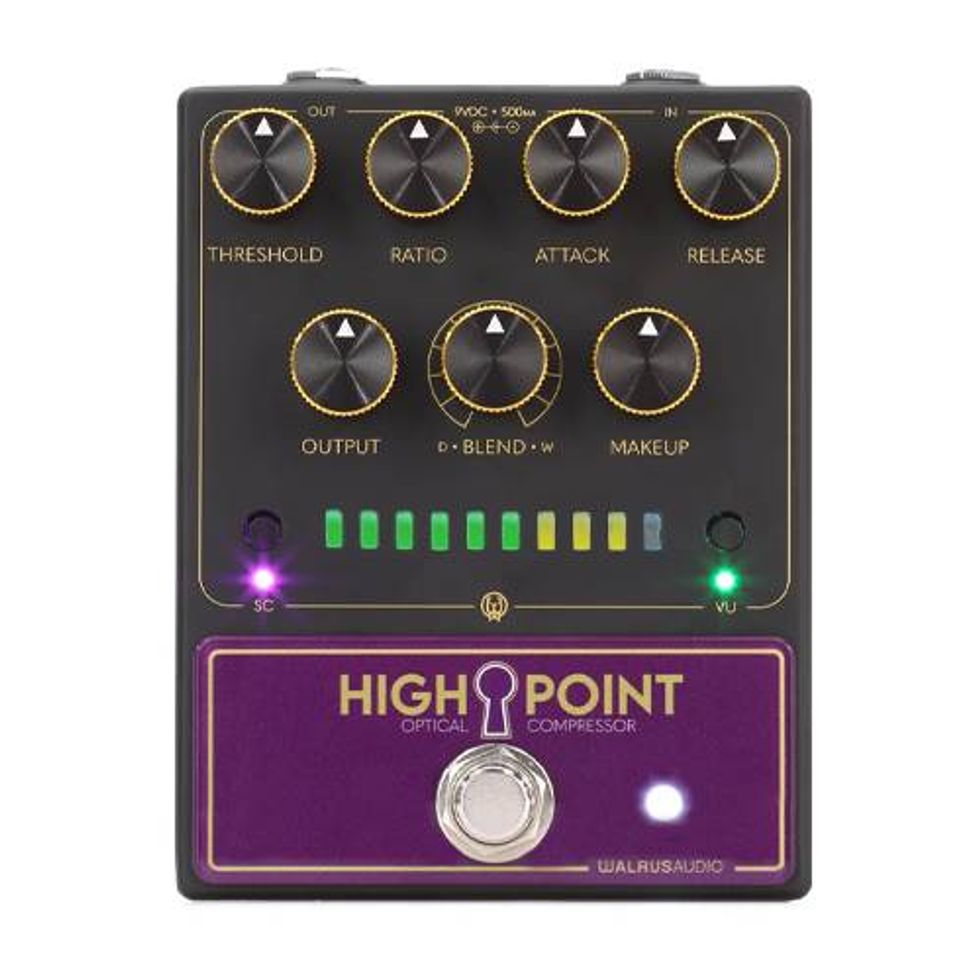
Highpoint Optical Compressor
Optical Compressor Guitar Pedal with Threshold, Ratio, Attack, Release, Output, Blend, Makeup, Sidechain, and VU Controls
NOW LIVE: 15 New Deals From Sweetwater's Biggest Guitar Sale Of The Year
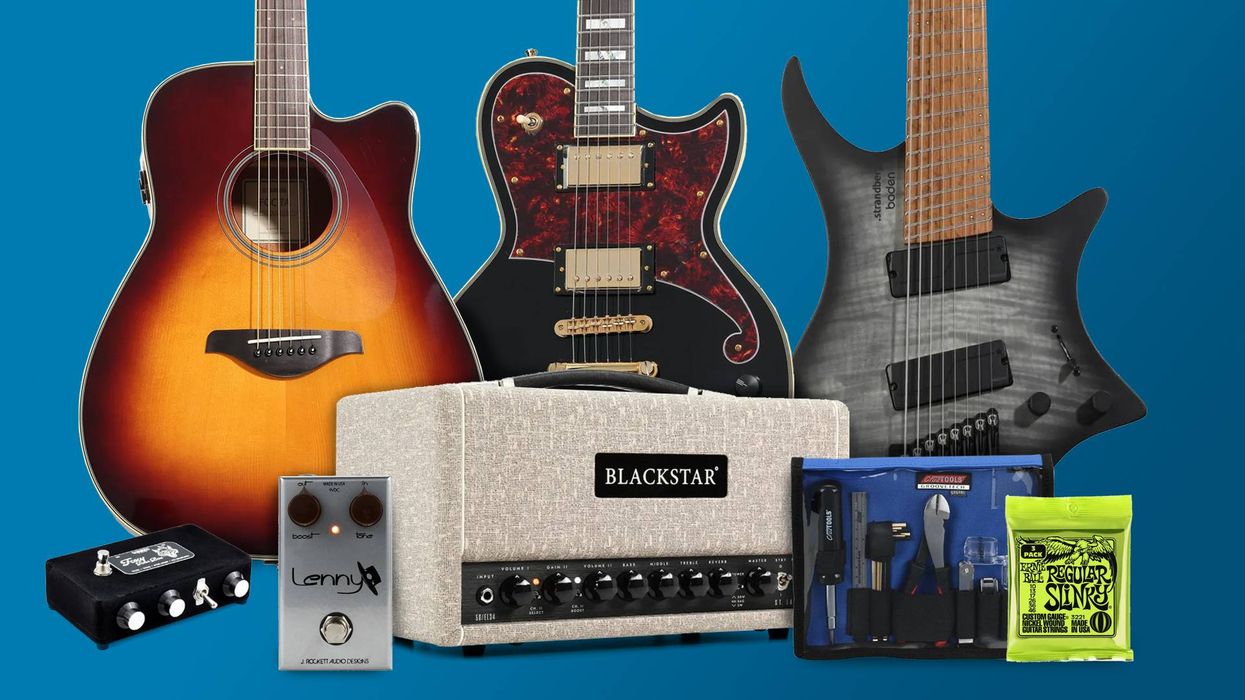
From an 8-string Strandberg to a synth-equipped Boss EURUS, Sweetwater's Guitar Month sale covers axes, amps, and pedals at prices that won't stick around.
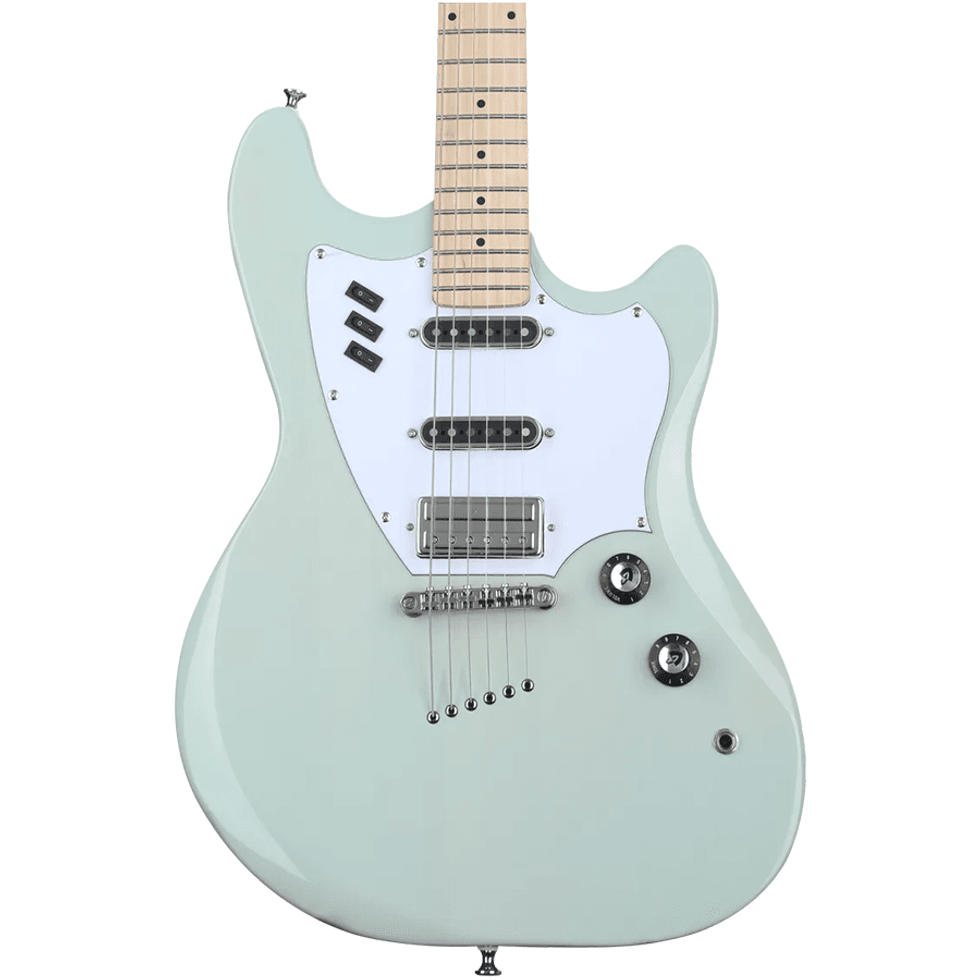
Guild Surfliner Solidbody Electric Guitar - White Sage
A wallet-friendly offset for the masses! Guild’s Surfliner takes the sleek '60s style of a traditional offset guitar and hot rods it with performance-minded features for guitarists who require an instrument with rock-solid stability. The Surfliner’s lightweight poplar body and offset-waist body shape provide an unmatched comfort — both sitting and standing. The smooth maple-on-maple neck’s Narrow Jumbo frets and 10-inch radius ensure smooth playability for players of all stripes. What about versatility? The Surfliner has it in spades, boasting an HSS configuration comprised of two Aersonic single coils and an LB-1 mini humbucker in the bridge, taking you everywhere from surfy drip to all-out crunch. Finally, the string-through body and the Tune-o-matic bridge are ideal for players who love the offset look, but prefer a more streamlined hardware setup.
Sweetwater's Guitar Month sale runs deep across the catalog, and what's below is just a sampling of the deals worth a look. We've got guitars spanning entry-level to high-end, amps built for both bedroom and stage volume, a handful of pedals, and a few accessories thrown in for good measure. Savings range from a few dollars off to over a grand, with some finishes and models exclusive to Sweetwater. Browse what caught our eye below, then head to Sweetwater to see the rest of what's on sale this month.
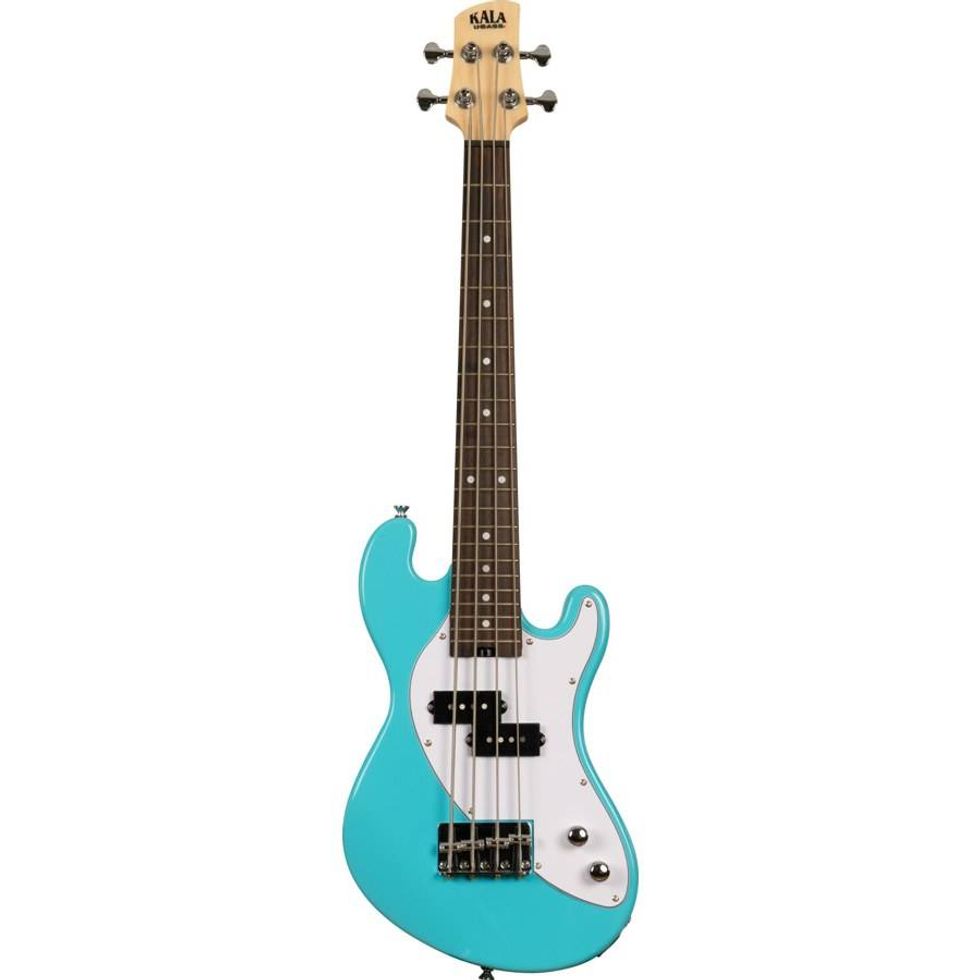
Kala Solidbody U-Bass Electric Bass Guitar - Surf Blue
This compact 4-string electric U-Bass features a 23.5-inch short scale, Okoume body, and a passive split-coil pickup for a warm, punchy, articulate bass tone in a lightweight, easy-to-play package.
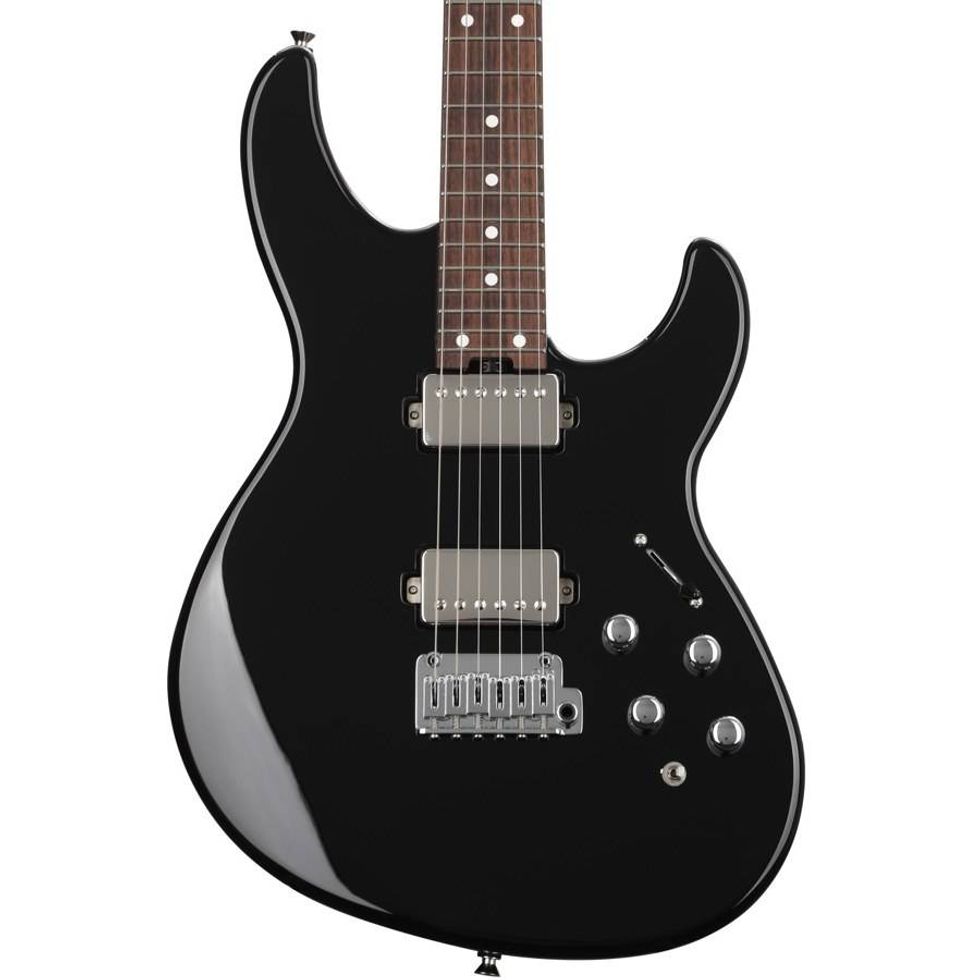
Boss EURUS GS-1 Electronic Guitar with Onboard Guitar Synthesizer - Black
The EURUS GS-1 packs a pair of custom EURUS-CTM humbuckers plus an onboard polyphonic synthesizer with six recallable presets and separate guitar/synth outputs, so you can dial in synth tones with the flip of a switch — no extra pedals or special pickups required.
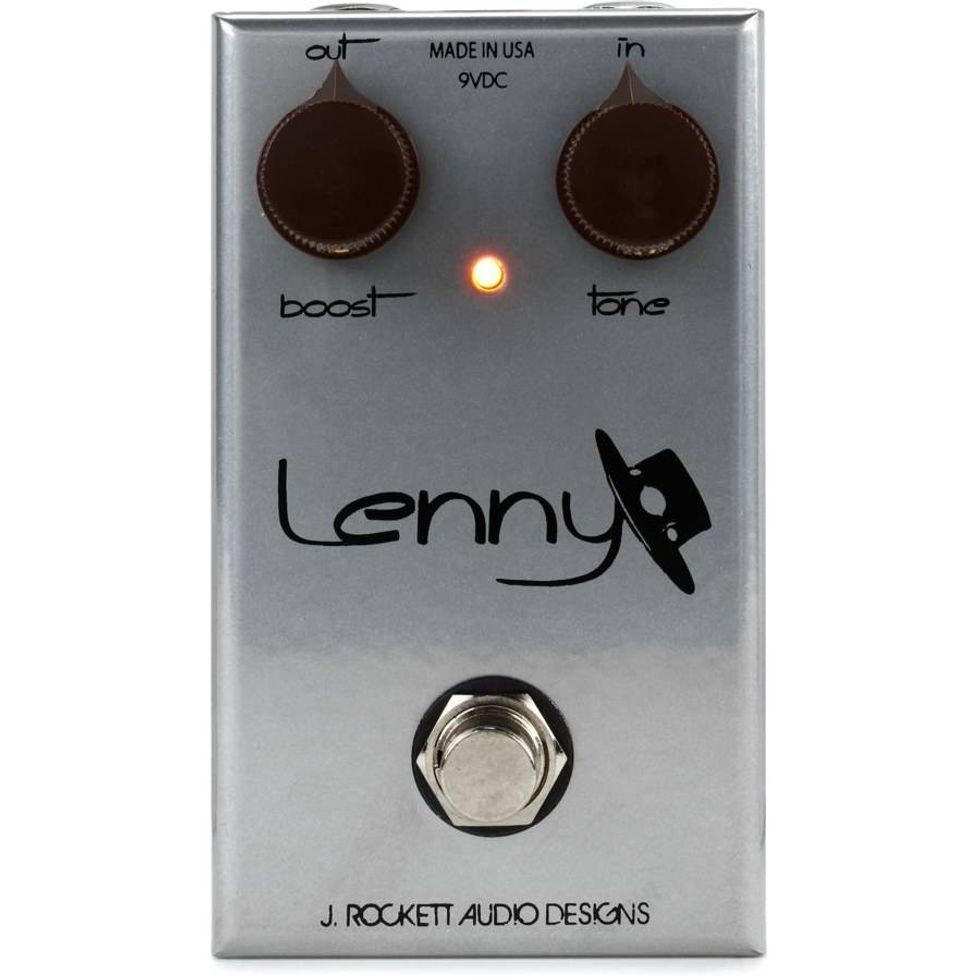
J. Rockett Audio Designs Lenny Boost/Overdrive Pedal
Built to capture the sound of a dimed boutique amp, Lenny's simple 2-knob layout adds musical mid-forward boost and sustain to a clean tone, or pushes an already-overdriven signal into a tight, singing “superdrive.”
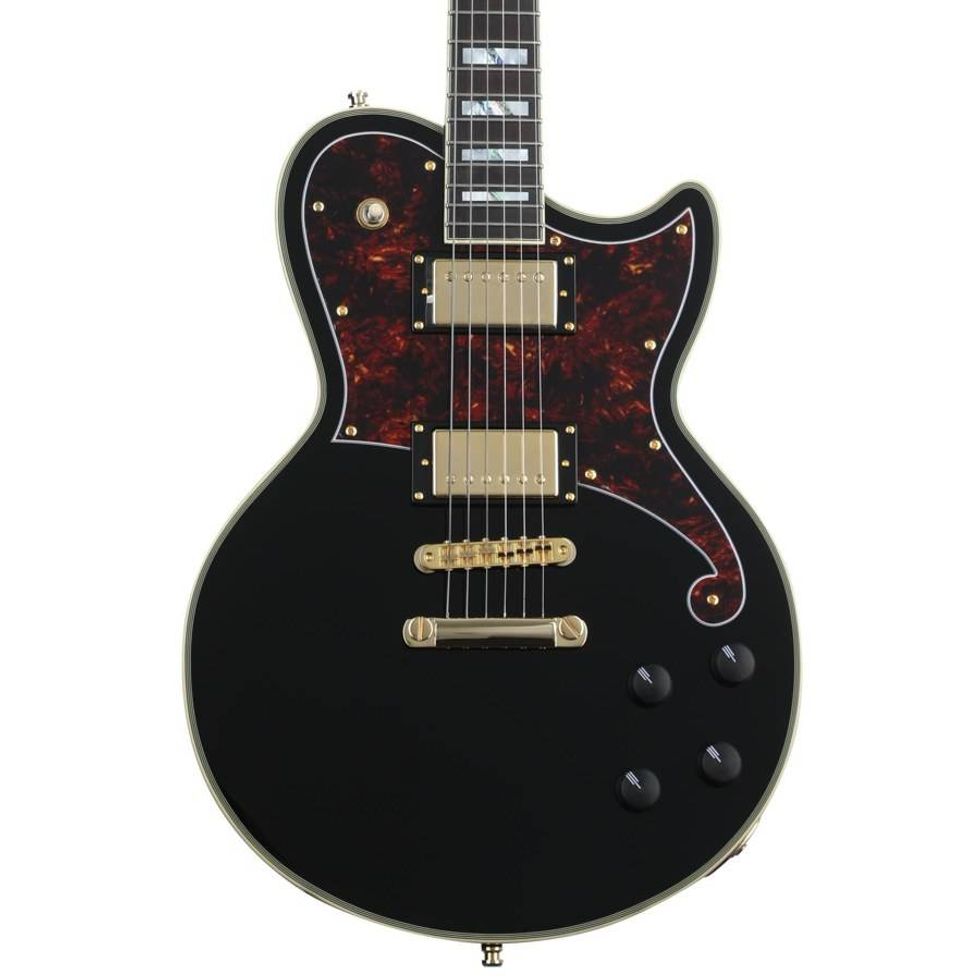
D'Angelico Deluxe Atlantic Electric Guitar - Solid Black
This single-cut solidbody pairs an alder body and maple/walnut neck with Seymour Duncan Seth Lover A4 humbuckers and push-pull coil-splitting, delivering classic D'Angelico style with modern tonal versatility and all-day playing comfort.
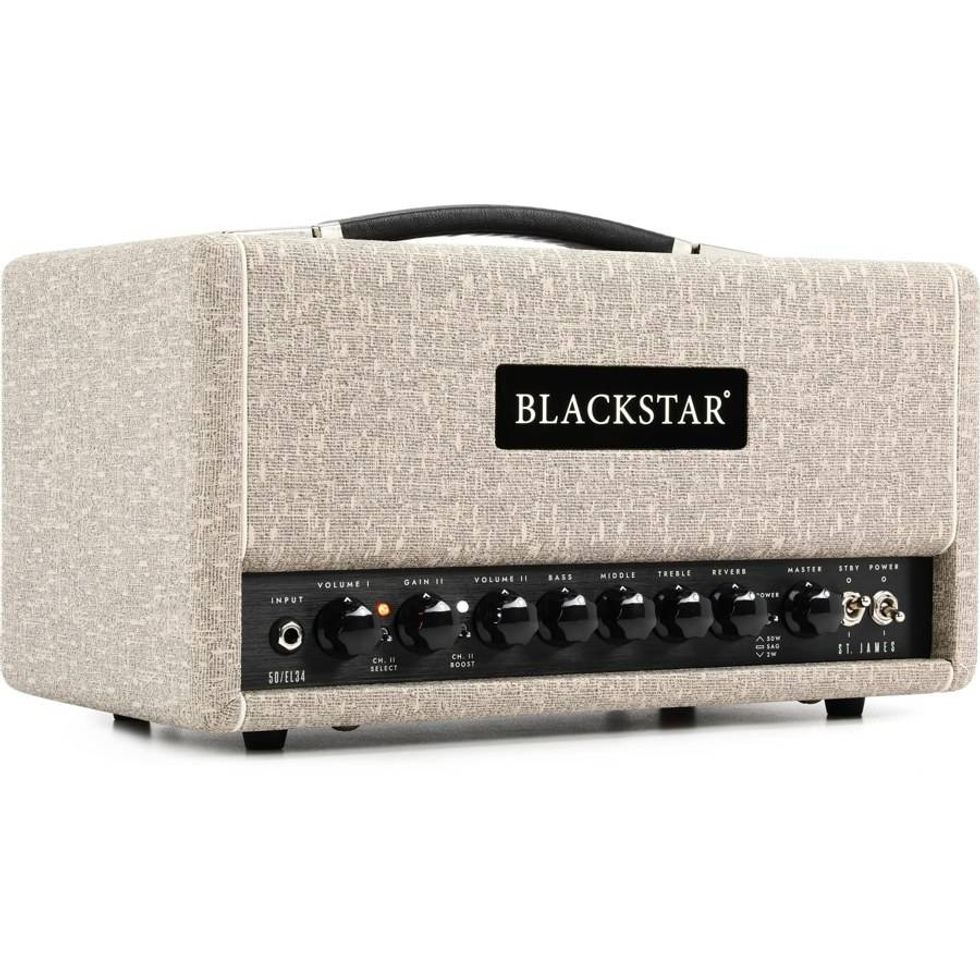
Blackstar St. James 50-watt Tube Head with EL34 Tubes - Fawn
Blackstar's lightest 50-watt head yet pairs EL34 power tubes with onboard Cab Rig cabinet simulation and a 3-step power reduction switch, giving two full channels of glassy cleans through vintage crunch at stage or bedroom volume.
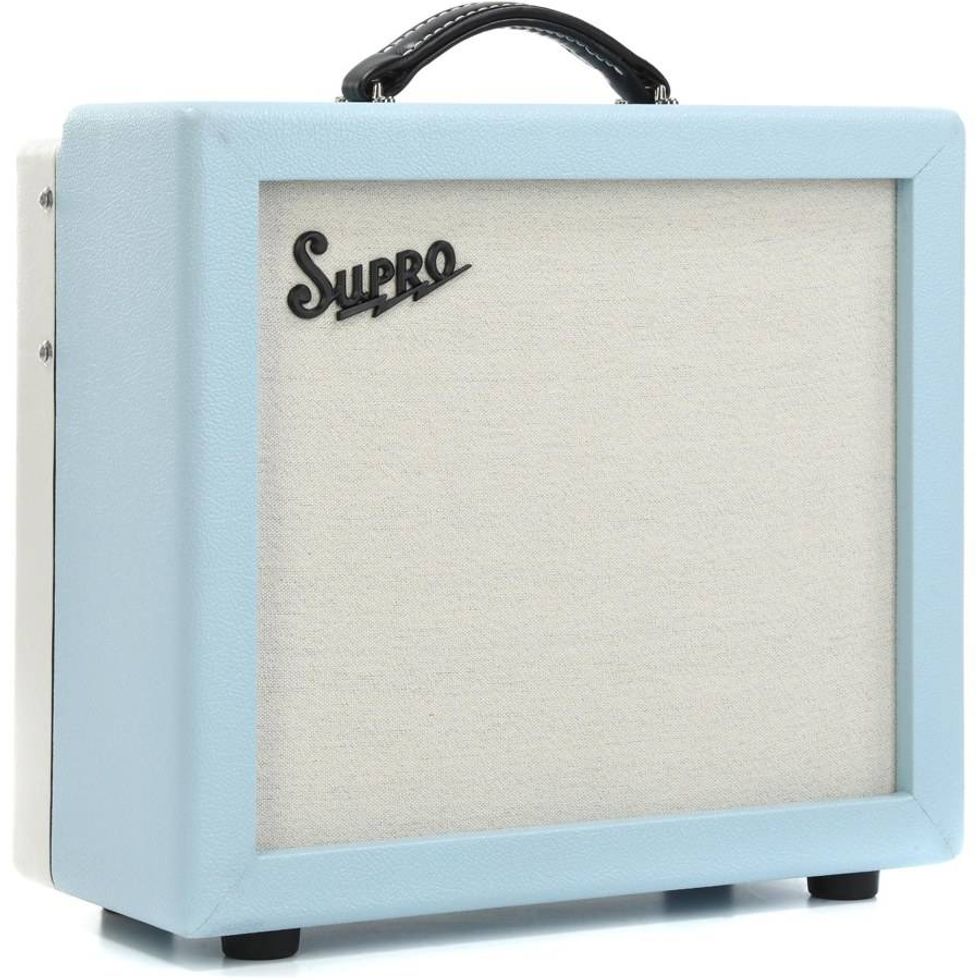
Supro Amulet 1x12 15-watt Tube Combo Amp - Baby Blue, Sweetwater Exclusive
Exclusive to Sweetwater in a Baby Blue finish, the Amulet delivers 15 watts of vintage-style Supro overdrive through a Celestion G12M Creamback, with a 3-step power attenuator plus splashy spring reverb and tremolo baked in.
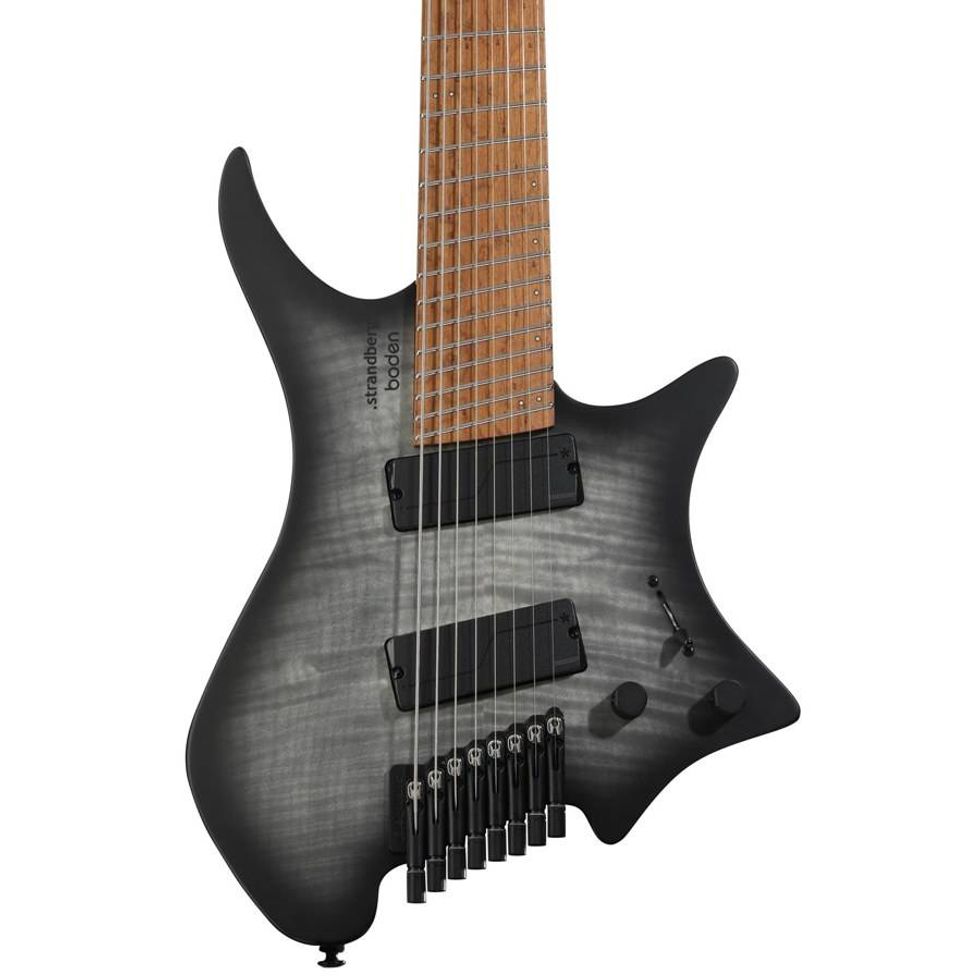
Strandberg Boden Original N2.8 8-string Electric Guitar - Black Denim Burst Satin
A multi-scale 8-string built from swamp ash, walnut, and roasted/flame maple, featuring Strandberg's EndurNeck profile, EGS Arc hardware, and POWR:D by Fishman active pickups with selectable voicing from passive-style headroom to modern-metal aggression.
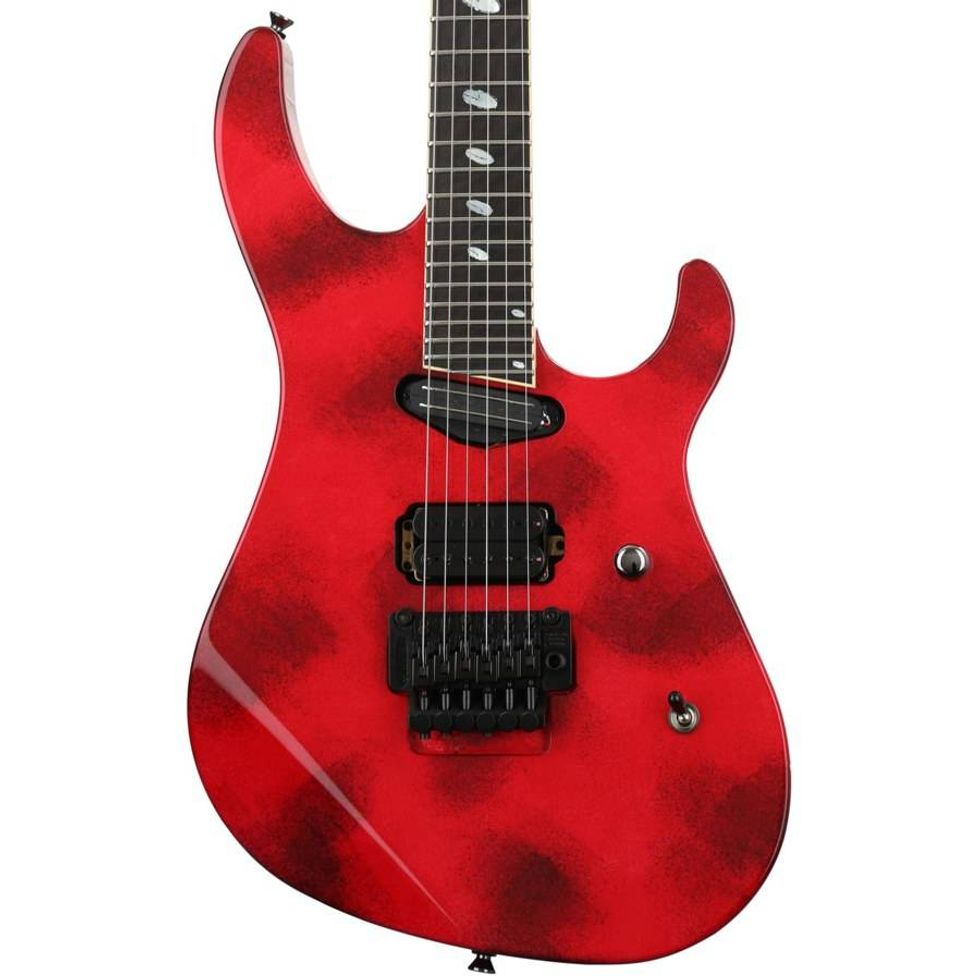
Caparison Guitars Horus-M3 - Carnelian with Ebony Fingerboard
A mahogany/maple solidbody with a 5-piece maple/walnut neck and ebony fretboard, the Horus-M3's precise 15-degree headstock angle eliminates string trees while its fast, smooth 27-fret neck stands up to the most demanding technical playing.
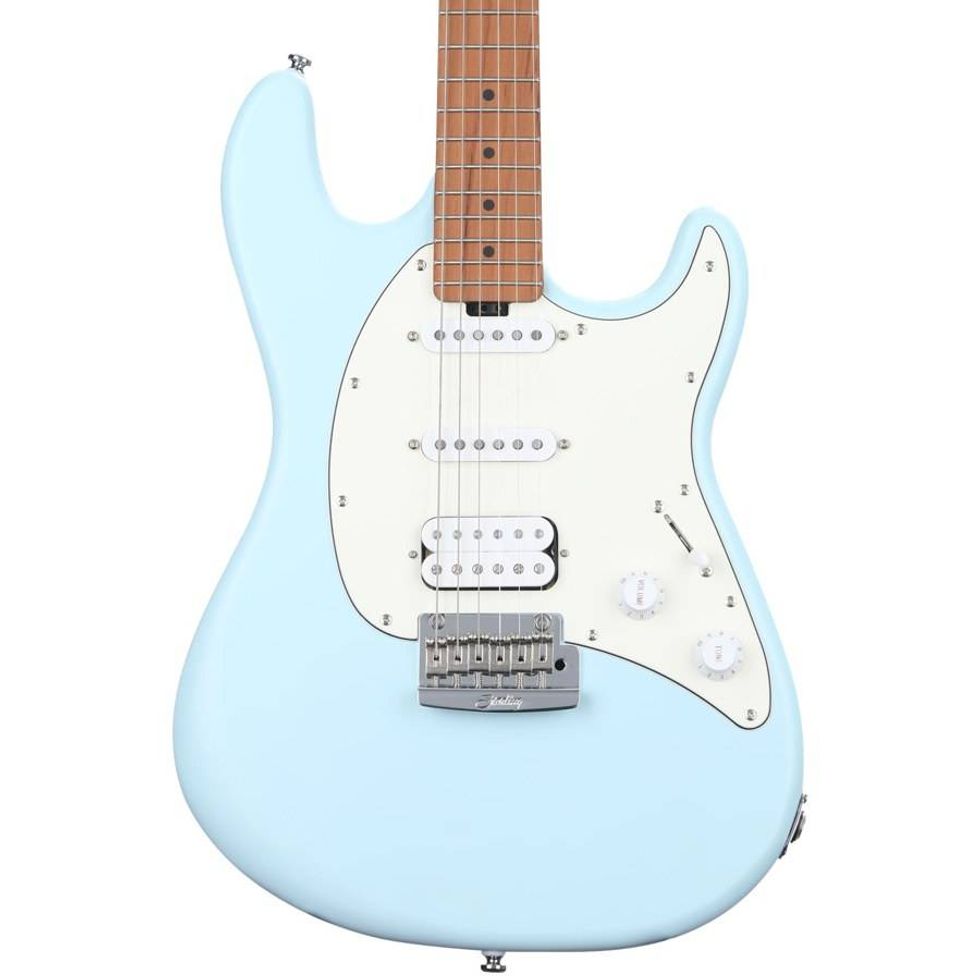
Sterling By Music Man Cutlass CT50HSS Electric Guitar - Daphne Blue Satin
A poplar body and roasted maple neck deliver a bright, resonant, well-balanced tone, while the H/S/S pickup configuration and 5-way blade switch offer plenty of tonal range for the price.
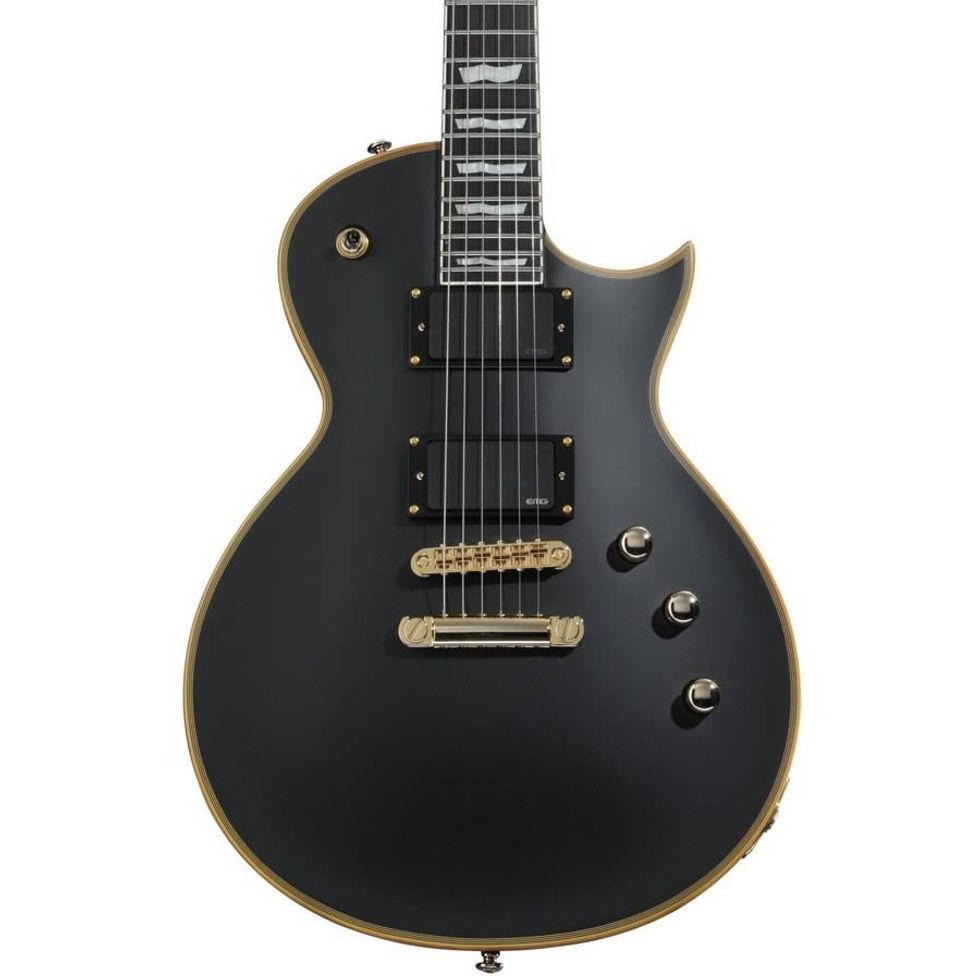
ESP LTD EC-1000 Electric Guitar - Vintage Black (Dent and Scratch)
A mahogany-bodied, set-neck Eclipse-style guitar with an ebony fingerboard and EMG humbuckers for articulate tone from chiming cleans to growling high-gain — this blemished dent-and-scratch unit is deeply discounted off the $1,099 list.
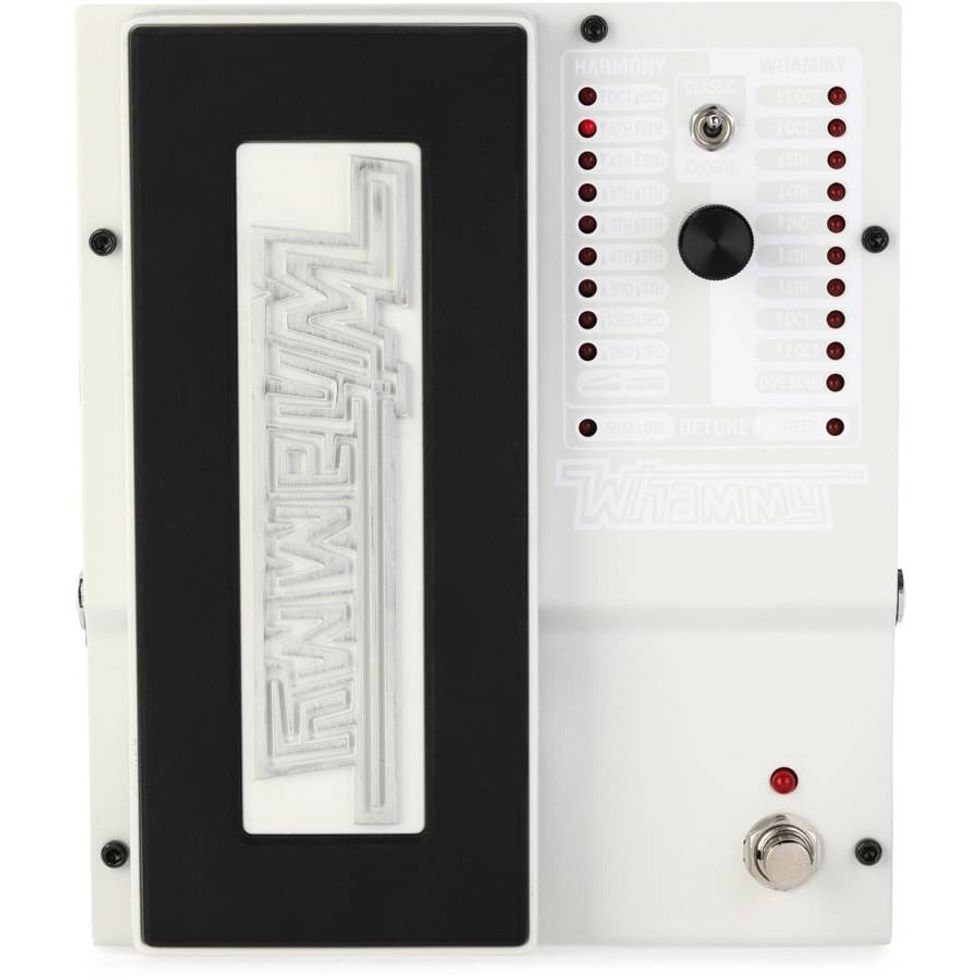
DigiTech Whammy 5 Pitch-shifting Pedal - White, Sweetwater Exclusive
A polyphonic pitch-shifting pedal with an expression treadle and MIDI input, in a limited white finish exclusive to Sweetwater that won't be restocked once it sells out.
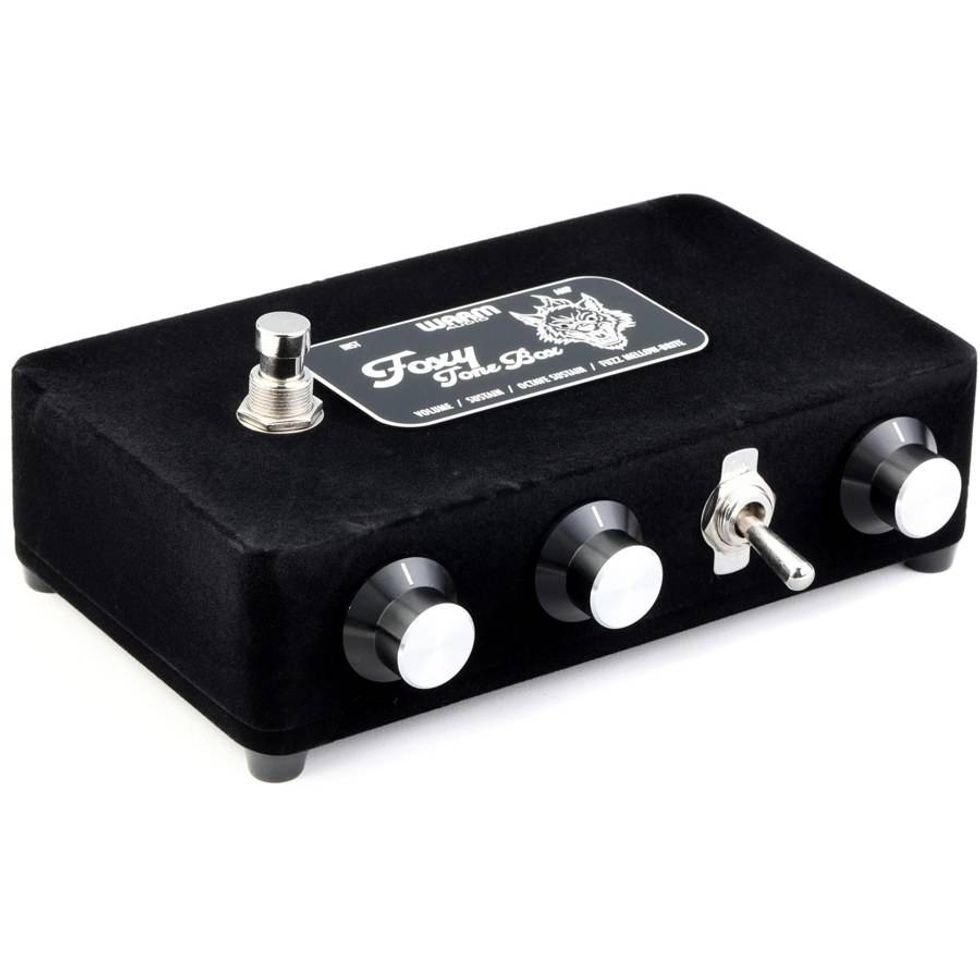
Warm Audio Foxy Tone Box Fuzz Pedal - Werewolf Black, Sweetwater Exclusive
Hand-assembled with premium NOS parts for vintage-correct tone, this limited-edition octave fuzz pedal recreates a beloved '70s circuit with volume, sustain, and fuzz controls plus a switchable octave-up mode.
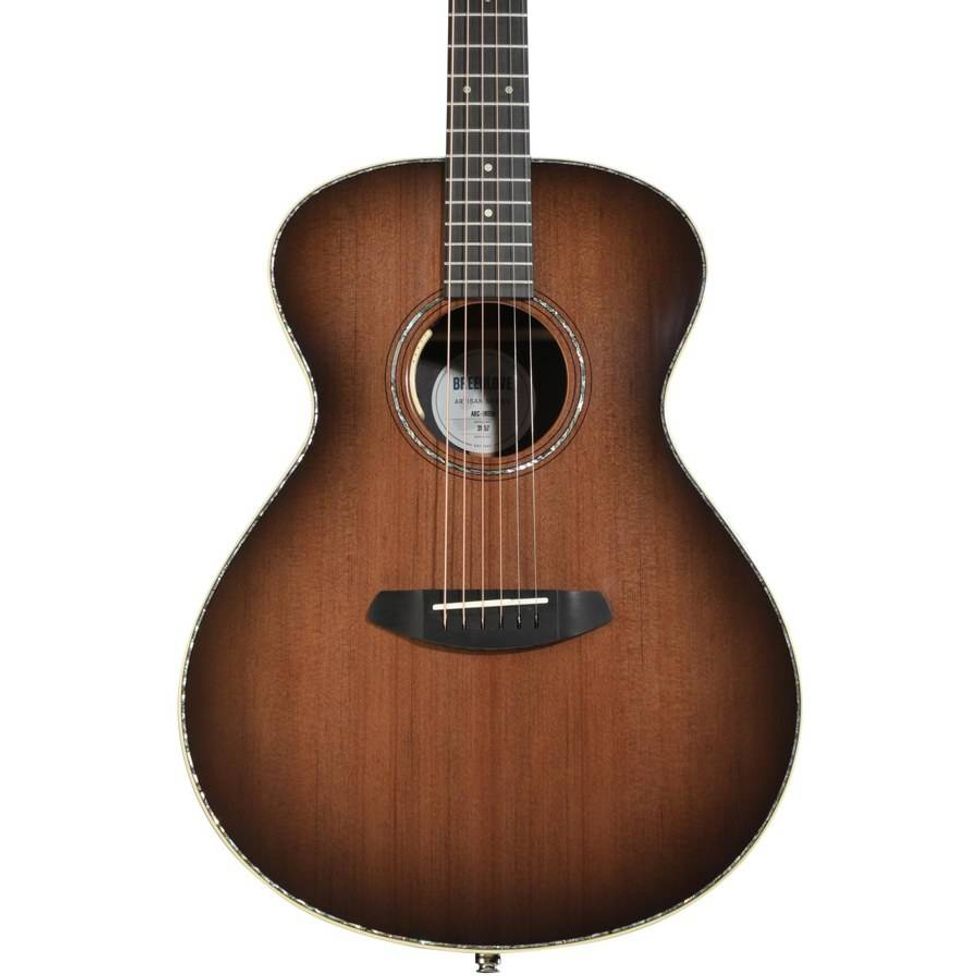
Breedlove Artisan Concert E Adirondack/Rosewood Acoustic-electric Guitar - Edgeburst
A concert-body acoustic-electric with a redwood top over rosewood back and sides, mahogany neck, and ebony fingerboard — premium tonewoods built for detailed, balanced amplified performance.
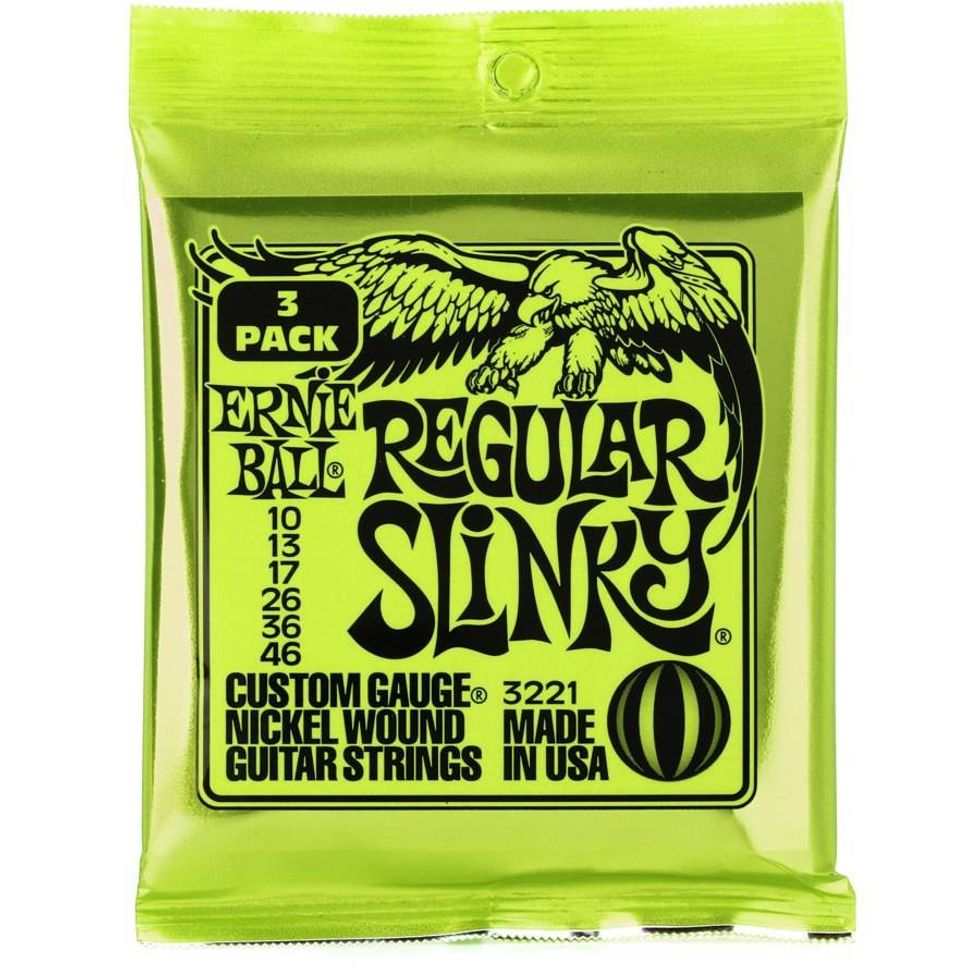
Ernie Ball 3221 Regular Slinky Nickel Wound Electric Guitar Strings - .010-.046 Factory 3-pack
Nickel-plated steel wire wrapped around a tin-plated hex core for balanced tone across highs, mids, and lows — the industry-standard Regular Slinky gauge (.010-.046) in a factory-sealed 3-pack.
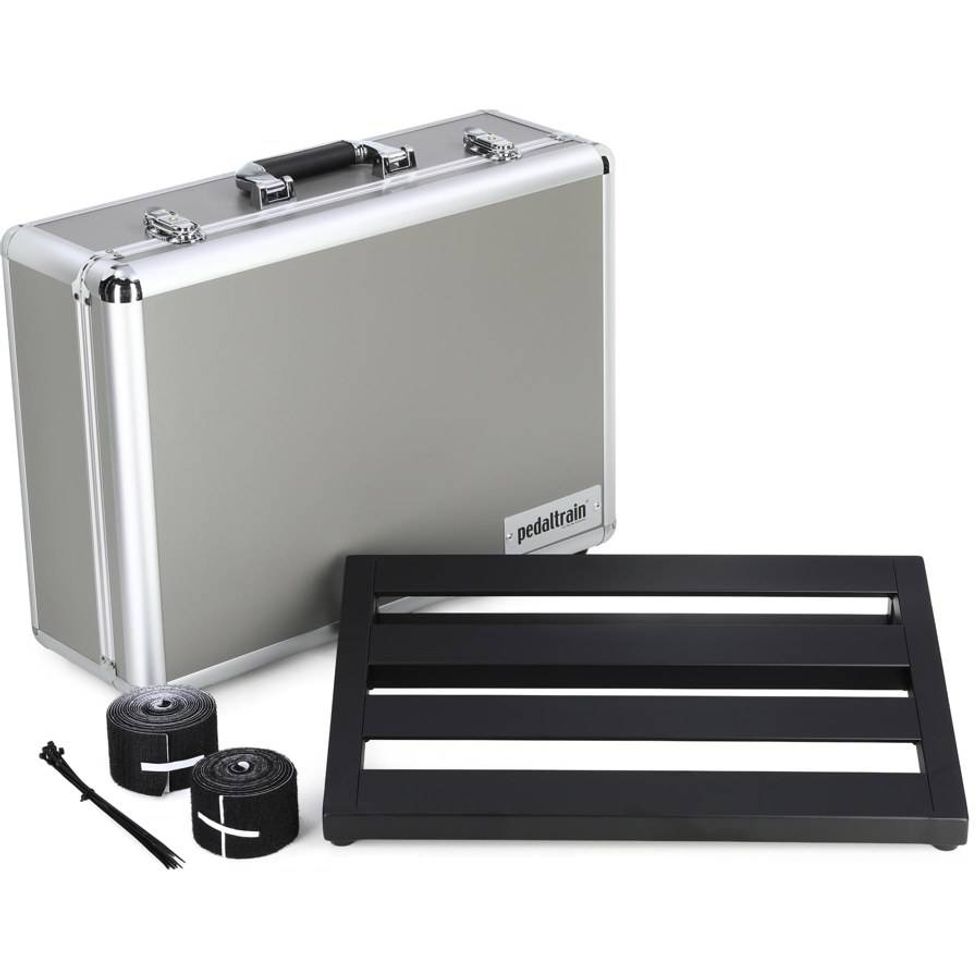
Pedaltrain Classic Jr Pedalboard with Slim Line Hard Case
The Classic JR's wider stance and extra inch of elevation fit just about any power supply, built on Pedaltrain's featherweight aircraft-grade aluminum rails, now bundled with a low-profile hard case for the road.
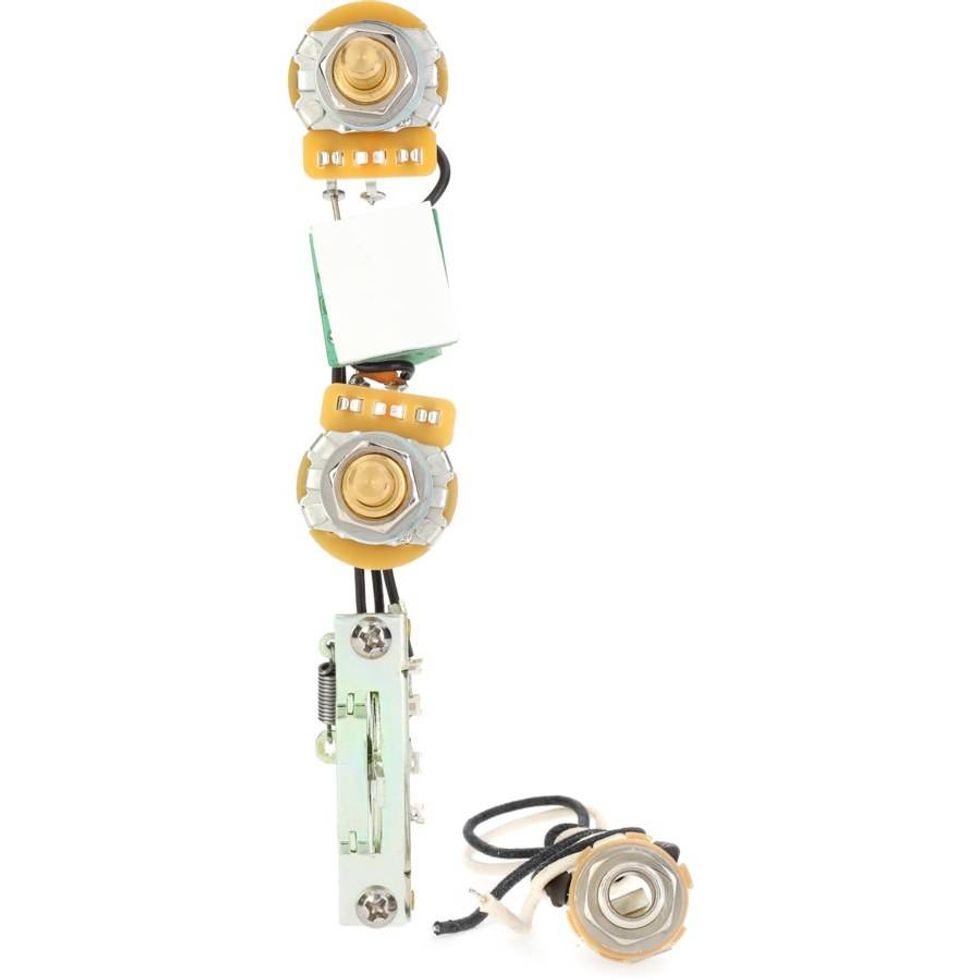
Mojotone Solderless Tele Standard Guitar Wiring Harness
A drop-in, solder-free wiring harness with CTS potentiometers, a Dijon capacitor, and treble-bleed circuit — swap out your stock electronics in minutes without a soldering iron.
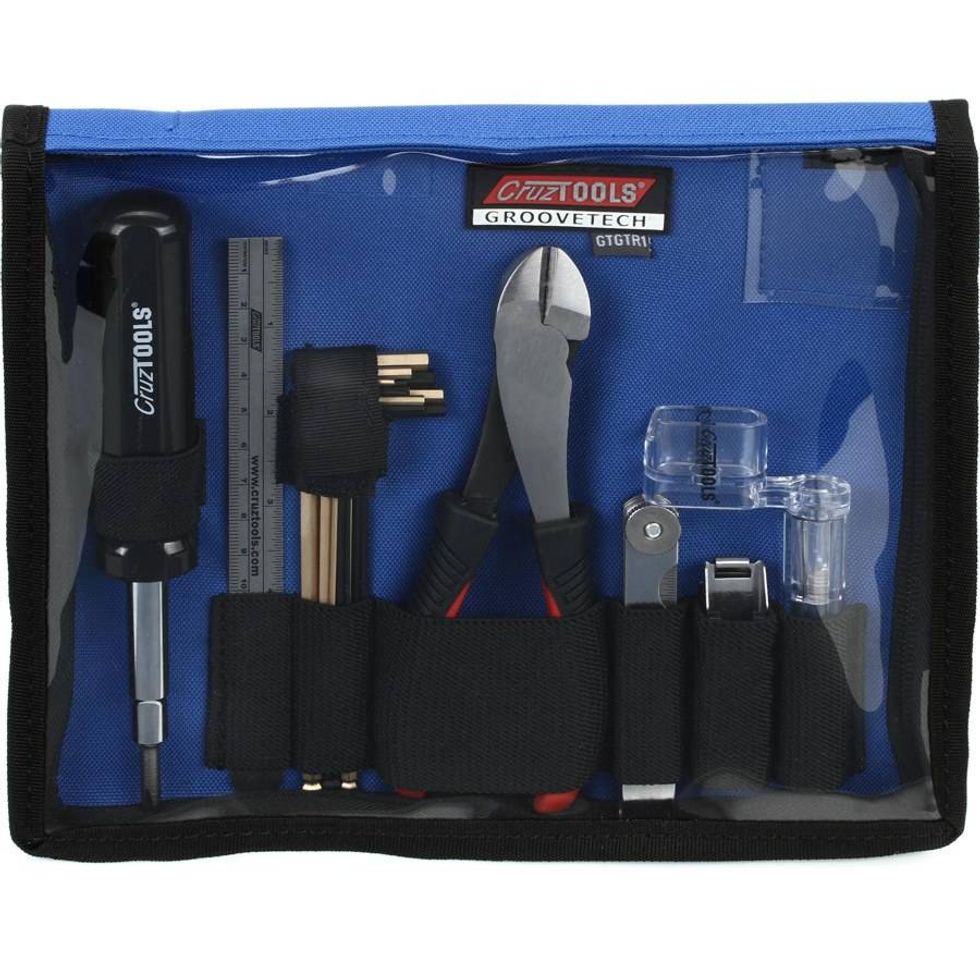
GrooveTech Guitar Player Tech Kit
A compact guitar setup kit with hex keys, a 6-in-1 screwdriver, thickness gauge, ruler, string cutters, capo, and an easy setup guide — everything needed to adjust action, intonation, and truss rod without paying a tech.
Keeley Electronics Introduces Tube Drive Twin Triode Dual Overdrive
Keeley Electronics has introduced the Tube Drive Twin Triode Dual Overdrive, a powerful dual-drive pedal built around a real high-voltage tube circuit and one of Keeley’s most celebrated overdrive voices. The standard Tube Drive features a Russian 12AX7 tube at the heart of its tube-driven preamp side, delivering warm, touch-sensitive grit, natural compression, and the unmistakable feel of real glass in the signal path.
The second side of the pedal is based on the legendary Keeley Super Phat Mod, adding thick, amp-like overdrive with punch, sustain, and harmonic depth. Players can use either side independently, stack them together for bigger gain tones, or switch the effect order on the fly with a simple foot gesture. From responsive tube breakup to saturated stacked drive, the Tube Drive is designed to cover a wide range of gain sounds while keeping the feel immediate and musical.
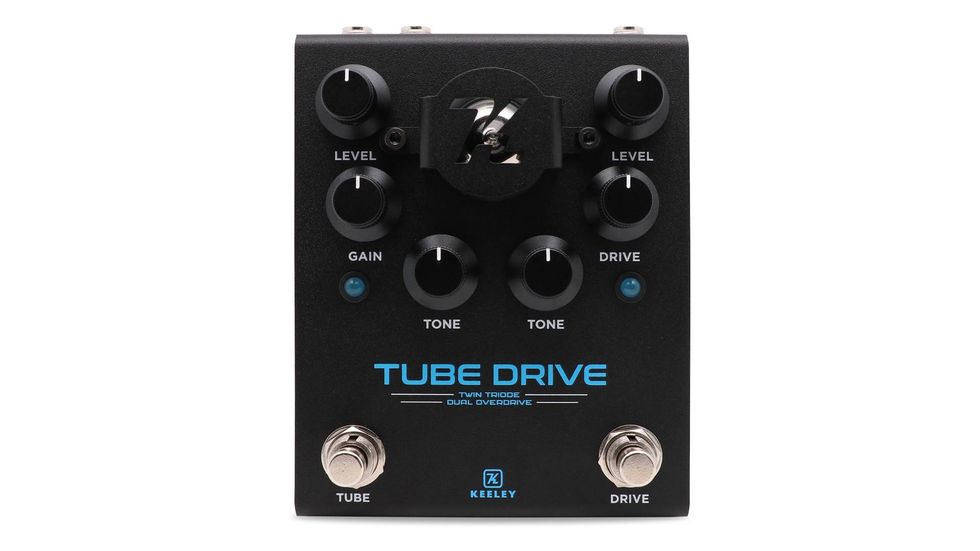
Built from start to finish at Keeley Electronics in Oklahoma City, the Tube Drive also includes selectable true-bypass or Keeley silent buffered switching, rugged construction, and a custom tube shield that proudly displays the tube at the center of the design. With real tube warmth and modern pedalboard flexibility, the Tube Drive Twin Triode Dual Overdrive is designed to be the heart of your gain section.
Like every Keeley pedal, the Tube Drive is designed and manufactured in Oklahoma, USA. Key features include:
● Real high-voltage tube-driven preamp side with Russian 12AX7 tube
● Keeley Super Phat Mod overdrive side for thick, amp-like drive
● Two independent overdrive voices in one rugged enclosure
● Stack both sides together for richer, higher-gain tones; Switch effect order on the fly with a simple foot gesture
● Selectable true-bypass or Keeley silent buffered switching
● Warm, touch-sensitive grit with natural tube compression, offering everything from low-gain breakup to saturated stacked overdrive
● Made in USA
Keeley’s Tube Drive Twin Triode Dual Overdrive carries a $399 street price. For more information visit robertkeeley.com.
Tube Drive
Dual Overdrive Guitar Pedal, with Per-channel Level, Tone, and Gain Controls, FX Order Switching, 12AX7 Vacuum Tube, TRS Remote Jack, and True/Buffered Bypass - Black
TONE3000’s new free plugin gives you access to over 700,000 guitar tone captures

TONE3000 has spent the last few years building what it claims is the world’s largest library of guitar tones. And we’ve been hugely impressed when we’ve used it. Now, instead of making you hunt them down one by one, it’s putting the whole thing inside a plugin.
The company has launched the free, open-source TONE3000 plugin, giving guitarists and bassists direct access to more than 700,000 Neural Amp Modeler (NAM) captures and Impulse Responses (IRs) from within their DAW – or through a standalone app.
- READ MORE: New firmware update lets HeadRush users tap into a world of open-source guitar tone captures
Until now, using a tone from TONE3000 involved a little more work than you might expect: find the capture online, download it, unzip it, organise the file and load it into a separate NAM plugin. Want to try another? You’ll have to do it all again.
The new plugin cuts out that faff. Musicians can now browse TONE3000’s library from inside the plugin, with captures covering amps, pedals, speaker cabinets, full rigs, outboard gear, acoustic spaces and even some weird experimental setups.
Log into your TONE3000 account and you can also access your saved favourites, recently used tones, your own creations and private tones without leaving the plugin.
And because the library is constantly growing, you don’t have to wait for a plugin update to get your hands on new sounds. Every new tone added to TONE3000 becomes available through the plugin immediately, with no additional purchase required.
Unlike the traditional amp-sim model, where you buy a plugin and get a fixed collection of sounds, here, the TONE3000 plugin acts more like a gateway to a library that keeps expanding as the community adds to it.
Under the hood, everything is powered by NAM A2, the latest generation of Neural Amp Modeler technology developed by TONE3000 with NAM creator Steve Atkinson. For the uninitiated, NAM is free, open-source technology that uses AI to model analogue gear by learning from recordings of physical amps, pedals and other equipment.
“Because the TONE3000 Plugin is open source, right now is the worst it will ever be,” says the company’s co-founder and CEO Stanley Vergilis. “We’re excited to see what the community does with it.”
“With A2 we made captures dramatically more accurate, but accuracy doesn’t matter if loading a tone is a chore,” adds TONE3000 co-founder and CTO Woodbury Shortridge. “The plugin is where the architecture, the community library, and players finally meet in one place. Every layer is open source by design. We’re betting the future of tone belongs to the people creating it, not to whoever owns the technology.”
The plugin also goes considerably further than simply being a tone browser. You can stack unlimited NAM A2 captures and IRs to build signal chains, run dual chains with branching and panning, create stereo images and apply EQ at different points in the chain.
The TONE3000 plugin is available now for macOS, Windows and Linux, with VST3, AU, AAX, CLAP and LV2 support, as well as a standalone version. It works with major DAWs including Ableton Live, Logic Pro, Pro Tools, FL Studio, Cubase, Reaper and Bitwig Studio.
And, importantly, it’s free. Of course, if you want to take these tones into the real world, there are myriad options, from Blackstar’s impressive BEAM practice amp, to the more gig-ready situation of Headrush’s full stable of amp modelling pedals – NAM is truly taking over the world of guitar modelling in 2026.
Download the plugin today at TONE3000.
The post TONE3000’s new free plugin gives you access to over 700,000 guitar tone captures appeared first on Guitar.com | All Things Guitar.
Real Tube Tone with Dual Overdrive Personalities
John Bohlinger headed west to visit Robert Keeley who shows off an impressive dual drive that includes the company's heralded Super Phat Mod circuit paired with high-voltage drive that rocks with a Russian 12AX7 preamp tube. As Keeley explains to Bohlinger, there's a lot going on under the hood including a function that allows you to reverse the stacking order that gives the growl a whole new gnashing character.
Tube Drive
Dual Overdrive Guitar Pedal, with Per-channel Level, Tone, and Gain Controls, FX Order Switching, 12AX7 Vacuum Tube, TRS Remote Jack, and True/Buffered Bypass - Black
Headrush brings real amp looks to the powered cab game with new FRFR Cab Series

If you’ve wanted to use your digital guitar unit of choice in a live context, but still want the authentic experience of moving real air, Headrush has pretty much been the standard-setter for some time now.
The company pretty much invented the market for FRFR (Full Range, Flat Response) guitar cabs that has exploded as the likes of Neural DSP, Fractal, Kemper and Helix have offered us a wealth of new ways to sound good in the digital sphere. But as the market has grown, so the competition has increased for your powered cab dollar – and it’s perhaps no surprise that the king of the sector has come back firing on all cylinders.
- READ MORE: New firmware update lets HeadRush users tap into a world of open-source guitar tone captures
The most striking thing about the new FRFR Cab series is their look and form factor. When the original FRFR-108 launched back in 2019, it made sense that the brand would envision it primarily as monitors for guitarists going direct into a PA, and as such they were shaped like classic speaker wedges.
Of course, a LOT has changed in the world of digital guitar acceptance in the seven years since, and it was notable how many guitarists had their interests piqued by Fender’s Tone Master FR-12, with its traditional amp aesthetics, when it launched alongside the Tone Master Pro back in 2023. In fact, the FR-12 has been such a hit with guitarists who want the look of a real amp while still running their Quad or their Helix, they even made a tweed one.
 Image: Headrush
The new FRFR Cabs lean heavily into this, with both an 8-inch and 12-inch versions that have the classic closed-back look of a combo amp, complete with a vintage Marshall-style split grille cloth, black tolex, and a top-mounted control panel with classic gold amp knobs. The cab’s wooden now too, as opposed to the plastic of old. If you want to retain the aesthetic of a classic guitar amp on stage while still having the full-on Headrush experience, this is the cab for you. And if you do still need to tilt them back in the manner of old, each cab has a pair of tilt back legs so you can set them up at the angle of your choosing.
Of course, it’s not just about the looks here – the sound is why people love Headrush FRFR cabs, and they’re not messing around. Joining the single eight- or 12-inch speaker in your chosen cab, you’ll find a custom-designed low-frequency woofer with a 1-inch high-frequency compression driver and a wide 90° conical horn. All that means you’ll get a full, rich frequency response across the spectrum, and if you want to use your cab to run backing tracks or other non-guitar sounds, it’ll do it with aplomb.
And did we mention these suckers are loud? Headrush never spare the wattage when it comes to their FRFR cabs, and these are no exception, the FRFR-8 will deliver a monster 480W Peak/240W RMS (200W LF/40W HF) of pure power, while the FRFR-12 gets even more ridiculous with 750W Peak/325W RMS (285W LF/40W HF).
 Image: Headrush
You also get the quality of life stuff like bluetooth 5.3 connectivity, a XLR/TRS combo input for easy hooking up to any modelling pedal, a 3-band Baxandall EQ with high-cut filter to adapt your sound on the fly to the room you’re in, and rugged, road ready build quality.
“Guitarists and bassists building their sound in a modeling pedal deserve a cabinet that gets out of the way and lets that tone come through, on stage, in the studio, wherever they play,” said John Boudreau, HeadRush Director of Product Development. “The FRFR CAB Series pairs that accuracy with the feel of a real amp cabinet, so the rig sounds and feels like home no matter where you’re plugging in.”
The FRFR-8 CAB is $399/£279 while the FRFR-12 CAB is $499/£359 – both are available now.
Head to headrushfx.com for more.
The post Headrush brings real amp looks to the powered cab game with new FRFR Cab Series appeared first on Guitar.com | All Things Guitar.
Pages
